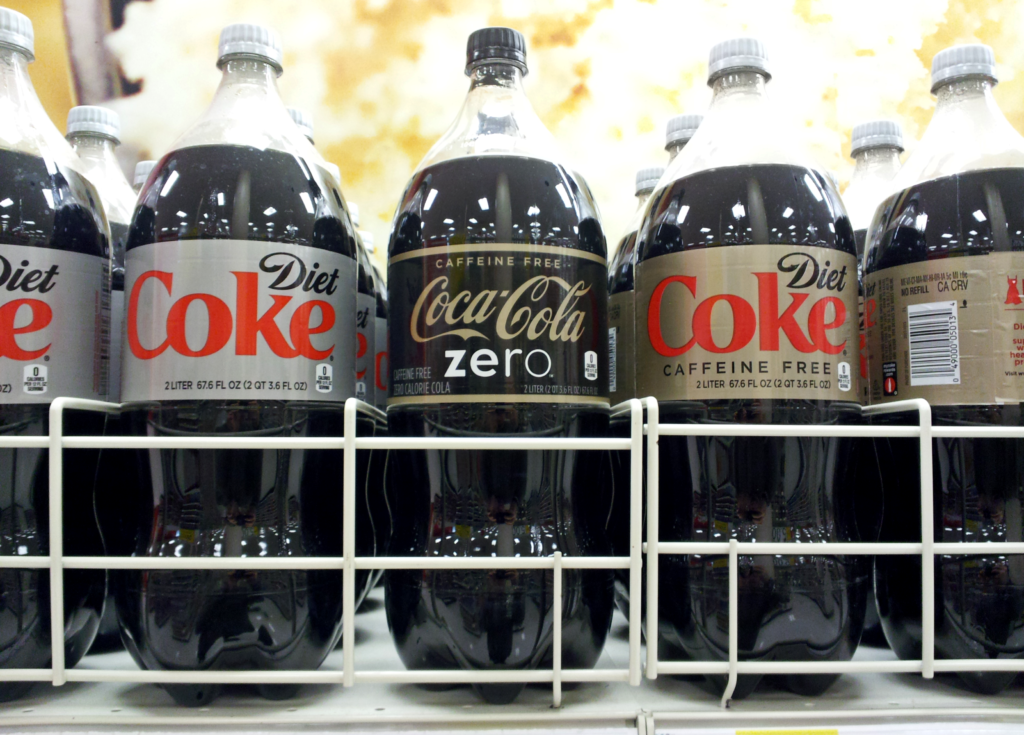
Brand equity is the commercial value a brand carries beyond the physical product or service it represents, created entirely by how customers perceive, remember, and feel about it. Two identical products can command very different prices and loyalty simply because one carries stronger brand equity than the other.
Aaker’s five assets of brand equity
UCLA marketing professor David Aaker outlined an influential model in his 1991 book Managing Brand Equity, identifying five assets that build brand value: brand awareness, how readily customers recognize the brand; brand loyalty, how consistently customers choose it again; perceived quality, how customers judge the product relative to alternatives; brand associations, the ideas and images the brand evokes; and proprietary assets, such as patents and trademarks that competitors cannot copy.
Keller’s Customer-Based Brand Equity pyramid
Dartmouth professor Kevin Lane Keller proposed a different structure in his 1997 book Strategic Brand Management, built as a four-level pyramid. The base, brand identity, answers who the brand is. Brand meaning covers what it does and how it is perceived. Brand response captures customers’ judgments and feelings, including warmth, fun, and security. The pinnacle, brand resonance, is reached when customers feel a deep psychological bond and actively advocate for the brand.
Measuring brand equity
Because brand equity is intangible, companies and researchers use surveys measuring awareness, perceived quality, and loyalty, alongside financial approaches that estimate the price premium a branded product commands over an unbranded equivalent. Some firms also attempt to place a dollar value on brand equity as an intangible asset for accounting or acquisition purposes.
Why brand equity matters commercially
Strong brand equity lets companies charge premium prices, weather negative publicity more easily, and launch new products under an established name with less marketing spend than building awareness from zero. It is one of the reasons companies spend heavily on consistent visual identity and brand experience across every customer touchpoint.
Other brand equity models
Beyond Aaker and Keller, other frameworks have shaped how companies measure brand strength. The BrandAsset Valuator, developed by advertising agency Young & Rubicam, measures brands along dimensions including differentiation, relevance, esteem, and knowledge, tracking how a brand moves through stages from building awareness to becoming an established, trusted name.
Brand equity in mergers and acquisitions
Brand equity can materially affect the price a company commands in an acquisition, since an acquirer is often paying not just for physical assets and revenue but for the trust, recognition, and customer loyalty a strong brand carries. Accountants sometimes recognize this value on a balance sheet as goodwill or as a separately identified intangible asset following an acquisition.
Building brand equity over time
Companies build brand equity through consistent, repeated positive experiences rather than any single campaign. Reliable product quality, coherent visual identity across every touchpoint, and marketing that reinforces the same core associations over years all compound into the kind of durable brand equity that a one-off advertisement cannot create on its own.
Negative brand equity
Brand equity can also work against a company. If customers associate a brand with poor quality, a damaging scandal, or repeated failures, that brand carries negative equity, making customers less willing to buy even when the underlying product has genuinely improved, a reputational drag that can take years of consistent performance to reverse.
Brand equity across global markets
Multinational companies often find that brand equity built in one country does not automatically transfer to another, since cultural associations, product history, and competitive context differ by market. Global brands frequently invest in market-specific research to understand how their brand is actually perceived abroad before assuming the same equity drivers that work at home will work elsewhere.
Co-branding and brand equity transfer
Companies sometimes attempt to borrow brand equity through co-branding partnerships, pairing two established brands on a single product so each lends some of its own positive associations to the other. This strategy can expand a brand’s reach into new customer segments, but it also carries risk, since a partner brand’s reputational problems can transfer back and damage the equity of the brand it was paired with.
Brand equity and employee behavior
Brand equity is not shaped only by advertising and customer experience; employee behavior at every customer interaction point, from a retail associate’s attitude to a call center representative’s tone, continuously reinforces or undermines the associations a brand has spent years building, which is why many companies now train staff explicitly on brand values rather than product knowledge alone.
Private label and brand equity
Retailers’ private-label or store-brand products illustrate brand equity’s commercial power in reverse, since many private-label goods are manufactured in the same factories as name-brand equivalents yet sell for less, with the price gap reflecting almost entirely the brand equity premium customers are willing to pay for the recognized name.
Brand equity and pricing power
Perhaps the clearest practical demonstration of brand equity is pricing power, since companies with strong brand equity can often raise prices with far less customer attrition than competitors selling a similar underlying product under a weaker or newer brand name.
FAQs
What is the difference between brand awareness and brand equity?
Brand awareness, simply recognizing a brand exists, is just one component of the broader concept of brand equity, which also includes loyalty, perceived quality, and emotional associations.
Who developed the two most cited models of brand equity?
David Aaker, with his five-asset model from Managing Brand Equity (1991), and Kevin Lane Keller, with his Customer-Based Brand Equity pyramid from Strategic Brand Management (1997).
Key facts
- David Aaker's model, from his 1991 book Managing Brand Equity, identifies five assets: brand awareness, brand loyalty, perceived quality, brand associations, and proprietary assets; Kevin Lane Keller's Customer-Based Brand Equity (CBBE) pyramid, from his 1997 book Strategic Brand Management, builds brand strength through identity, meaning, response, and resonance.
Related concepts
Quick checkWhat are the four levels of Kevin Keller's Customer-Based Brand Equity pyramid?Show answer
Brand identity, brand meaning, brand response, and brand resonance, moving from basic recognition to deep customer loyalty.
Sources
- Aaker, Managing Brand Equity (1991); Keller, Strategic Brand Management (1997); American Marketing Association
Editorially reviewed by Specialty Digest Editorial TeamLast reviewed November 1, 2026Researched and drafted with AI assistanceReport an issue