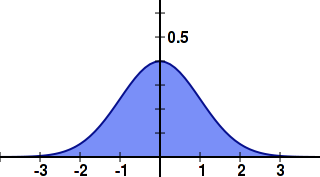
A norm-referenced test is an assessment designed to compare an individual test-taker’s performance against the performance of a representative sample of peers, called the norming group, rather than against a fixed, predetermined standard of mastery.
How norm-referenced scores work
Norm-referenced tests typically report a student’s results as a percentile rank or standard score indicating how that student performed relative to the norming group, such as scoring in the 75th percentile, meaning the student performed better than 75 percent of the norming sample. This design means a norm-referenced score says nothing directly about whether a student has mastered specific content; it only indicates relative standing within a comparison group.
Contrast with criterion-referenced tests
Norm-referenced tests are most clearly understood in contrast to criterion-referenced tests, which measure whether a student has mastered a specific, predefined set of skills or knowledge regardless of how other students performed. A criterion-referenced test can show every student in a class mastering the material, while a norm-referenced test by design always produces a spread of relative rankings, since it measures standing within a group rather than mastery against a fixed bar.
Common uses
Norm-referenced tests are commonly used for college admissions testing, cognitive ability testing, and gifted program identification, contexts where comparing an individual against a broader population is the primary goal. Their reliance on a norming group also means results can shift if the underlying population being compared against changes significantly over time, which is why norm-referenced tests are periodically re-normed using updated samples.
How norm groups are built
A norm-referenced test is built by administering the test to a large, carefully selected sample of test-takers, called the norming group, before the test is released for general use. The scores from that sample are used to build a distribution that later test-takers are compared against, so a student’s score is reported not as a raw number but as a percentile rank or standard score showing where they fall relative to that norm group. Test publishers periodically renorm their tests, giving them to a fresh sample every several years, because the performance of the general population on a given set of items can shift over time.
Because the comparison depends entirely on who was included in the norming sample, critics note that a norm-referenced score can be misleading if the norm group does not closely resemble the population being tested, for example when a test normed mostly on one age group or region is applied to a very different population.
Contrast with criterion-referenced testing
A criterion-referenced test measures performance against a fixed standard or a defined set of skills rather than against other test-takers, so a student’s score reflects whether they met a specific learning target regardless of how anyone else performed. A driving test is a common example of a criterion-referenced assessment, since passing depends on meeting a fixed standard of driving skill rather than outperforming other applicants that day. Many states combine both approaches, using criterion-referenced state tests to check whether students met grade-level standards while also reporting norm-referenced information such as national percentile ranks on separate assessments.
Despite the debate over their limitations, norm-referenced scores remain widely used in college admissions and gifted-program identification because they offer a consistent way to compare applicants from many different schools and curricula against a common reference point.
Common examples
Widely used norm-referenced tests include college admissions exams, intelligence tests, and many state-level standardized tests that report a student’s performance as a percentile compared with other test-takers nationally. The SAT and ACT, used for college admissions in the United States, are commonly cited examples, since a reported score reflects a student’s position relative to everyone else who took that test form within a given testing cycle, in addition to any raw content mastery. Many school districts also use nationally norm-referenced tests several times a year to track whether a student’s relative standing compared with national peers is improving, stable, or falling over the course of a school year.
Test publishers typically report several related norm-referenced statistics alongside percentile rank, including standard scores and grade-equivalent scores, each offering a slightly different way of expressing how a given raw score compares with the norming sample.
Parents and students sometimes confuse a percentile rank with a percentage-correct score, but the two are different measures entirely, since a percentile rank of 80 means a student scored higher than 80 percent of the norm group, not that they answered 80 percent of questions correctly.
Because norm-referenced scores depend on comparison rather than a fixed mastery threshold, a student’s percentile can shift from one testing cycle to the next even if their actual skill level has not changed much, simply because the comparison group shifted.
Test preparation companies sometimes advertise strategies aimed specifically at improving a student’s relative standing on a norm-referenced test, which has fueled debate over whether coaching that targets test-taking strategy rather than underlying skill meaningfully changes a student’s true ability.
Because norm-referenced results depend on the specific norming sample used, two tests claiming to measure similar skills can report different percentile ranks for the same student, which is why test publishers document their norming methodology in technical manuals available to educators and researchers.
FAQs
What does a percentile rank on a norm-referenced test actually mean? It indicates what percentage of the norming group’s scores a given student’s score exceeded, not whether the student mastered specific content.
What is the main difference between norm-referenced and criterion-referenced tests? Norm-referenced tests measure relative standing within a comparison group; criterion-referenced tests measure mastery against a fixed, predefined standard.
Key facts
- Norm-referenced tests report results as percentile ranks or standard scores relative to a norming group.
- They contrast with criterion-referenced tests, which measure mastery against a fixed standard.
- Common uses include college admissions tests and gifted program identification.
Related concepts
Quick checkWhat does a norm-referenced test compare a student’s performance against?Show answer
A representative sample of peers, called the norming group.
Sources
- General educational measurement reference
Editorially reviewed by Specialty Digest Editorial TeamLast reviewed November 2, 2026Researched and drafted with AI assistanceReport an issue