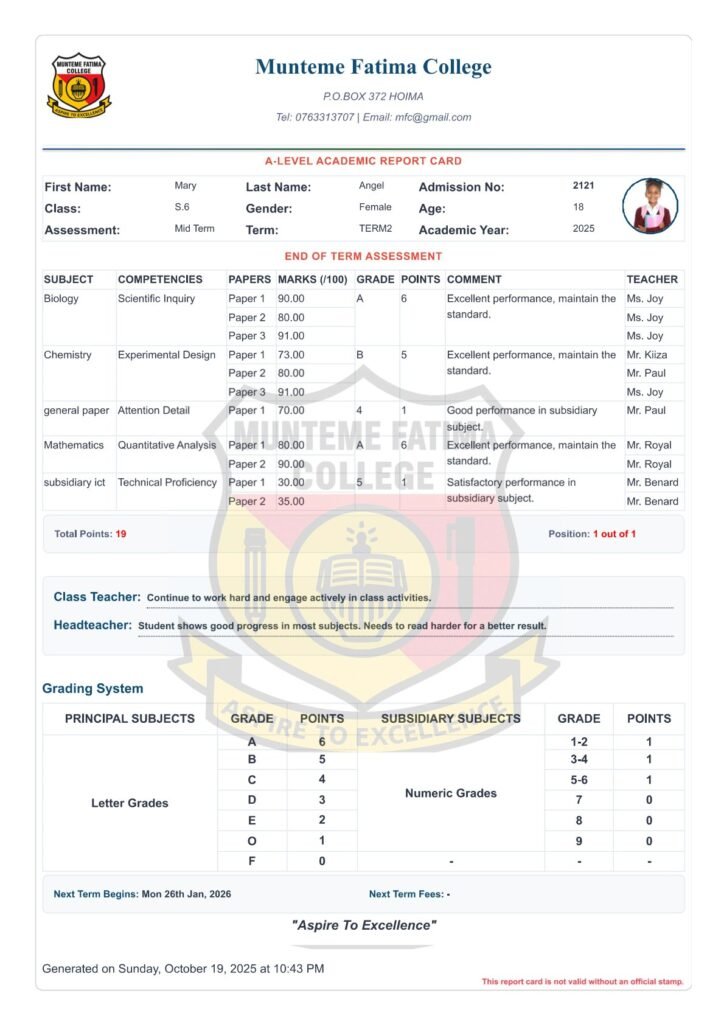
Standards-based grading is a grading approach in which a student’s report card reflects their level of mastery on specific learning standards, such as being able to solve multi-step equations or analyze a primary source document, rather than a single overall letter grade that averages scores across many different assignments and skills. Supporters describe it as a more precise and transparent system than traditional grading, since a parent can see exactly which specific skills a student has or has not yet mastered rather than only an overall average.
How it differs from traditional grading
Traditional grading typically combines scores from homework, quizzes, tests, participation, and sometimes behavior into one blended average, which can obscure whether a student truly understands the material or is simply completing assigned work on time. Standards-based grading instead reports separate marks for each individual standard, often using a small numeric scale such as one through four indicating levels from beginning to advanced mastery, and frequently allows students to retake an assessment on a standard they have not yet mastered rather than permanently recording an early low score.
Adoption challenges and criticism
Schools that have shifted to standards-based grading have sometimes faced resistance from parents and students accustomed to traditional letter grades and class rank, and the transition can require significant retraining for teachers used to a more holistic grading approach, as well as new report card formats and gradebook software capable of tracking many individual standards per student. Critics also note that colleges and employers are generally more familiar with traditional grade point averages, which has led some high schools to maintain a converted traditional transcript alongside their standards-based internal reporting.
Impact on student motivation and behavior
Proponents of standards-based grading argue that it reduces the incentive for students to focus on grade-grubbing behaviors like extra credit or late-work penalties that have little to do with actual content mastery, since the grading system is built specifically around demonstrated proficiency on named standards rather than accumulated points from any assignment a teacher happens to offer. Allowing retakes on individual standards is often cited as a particular strength, since it treats an early low score as a snapshot of learning in progress rather than a permanent penalty, encouraging students to keep working toward mastery rather than giving up once a grade is recorded.
Some districts have found that transitioning to standards-based grading requires rethinking how final course grades, class rank, and honor roll calculations work, since translating a set of separate standard-level marks into a single traditional grade point average for college applications is not always straightforward.
Research on outcomes
Research evaluating standards-based grading’s effects on actual student achievement remains more limited than research on some other instructional reforms, and the findings that do exist are mixed, with some studies finding modest achievement gains in schools that implemented standards-based grading carefully and others finding little measurable difference compared with traditional grading. Researchers generally agree that the quality of implementation, including adequate teacher training and clear communication with families about the new system, strongly influences whether a standards-based grading transition succeeds.
Technology supporting standards-based grading
The rise of standards-based grading has coincided with the development of gradebook software specifically designed to track mastery across dozens of individual standards per student per course, a level of record-keeping that would be impractical to manage reliably with a paper-based system, and the availability of this software has likely accelerated the number of districts willing to attempt the transition in recent years.
Standards-based grading at the elementary level
Standards-based grading has generally seen faster and broader adoption at the elementary school level than in high school, partly because elementary report cards already commonly separated subjects into specific skill areas rather than a single blended grade, making the underlying shift to standards-based reporting feel like a smaller change than the shift required at the secondary level, where traditional letter grades and grade point averages are more deeply embedded in how students, families, and colleges interpret performance.
Standards-based grading and special education
Some special education advocates have noted that standards-based grading can work particularly well alongside an Individualized Education Program, since reporting mastery on specific, granular standards aligns naturally with the way an IEP already breaks a student’s goals into specific, measurable skills, potentially giving families a clearer picture of progress than a single blended grade that might obscure meaningful gains on individual IEP goals.
Teacher unions in some districts have raised concerns about standards-based grading transitions being rolled out without sufficient additional planning time or compensation for the substantial redesign of assessments, rubrics, and gradebook practices the shift typically requires from classroom teachers.
Communicating the shift to families
Districts that have successfully transitioned to standards-based grading generally invest heavily in parent education before and during the rollout, including sample report cards, explanatory videos, and parent information sessions, since families accustomed to a single letter grade per class often need considerable support to understand how to interpret a report card listing performance across a dozen or more individual standards instead.
A small but growing number of colleges have begun explicitly stating that they accept standards-based transcripts without conversion, signaling gradual movement toward broader acceptance of the format in higher education admissions.
Professional development conferences focused specifically on standards-based grading have grown in attendance over the past decade, reflecting the format’s expansion from a niche practice into a mainstream topic of ongoing discussion among school administrators.
Several state education departments have published model standards-based grading frameworks that individual districts can adapt, reducing the amount of original design work any single district must complete when deciding to make the transition.
FAQs
Editorially reviewed by Specialty Digest Editorial TeamLast reviewed November 2, 2026Researched and drafted with AI assistanceReport an issue