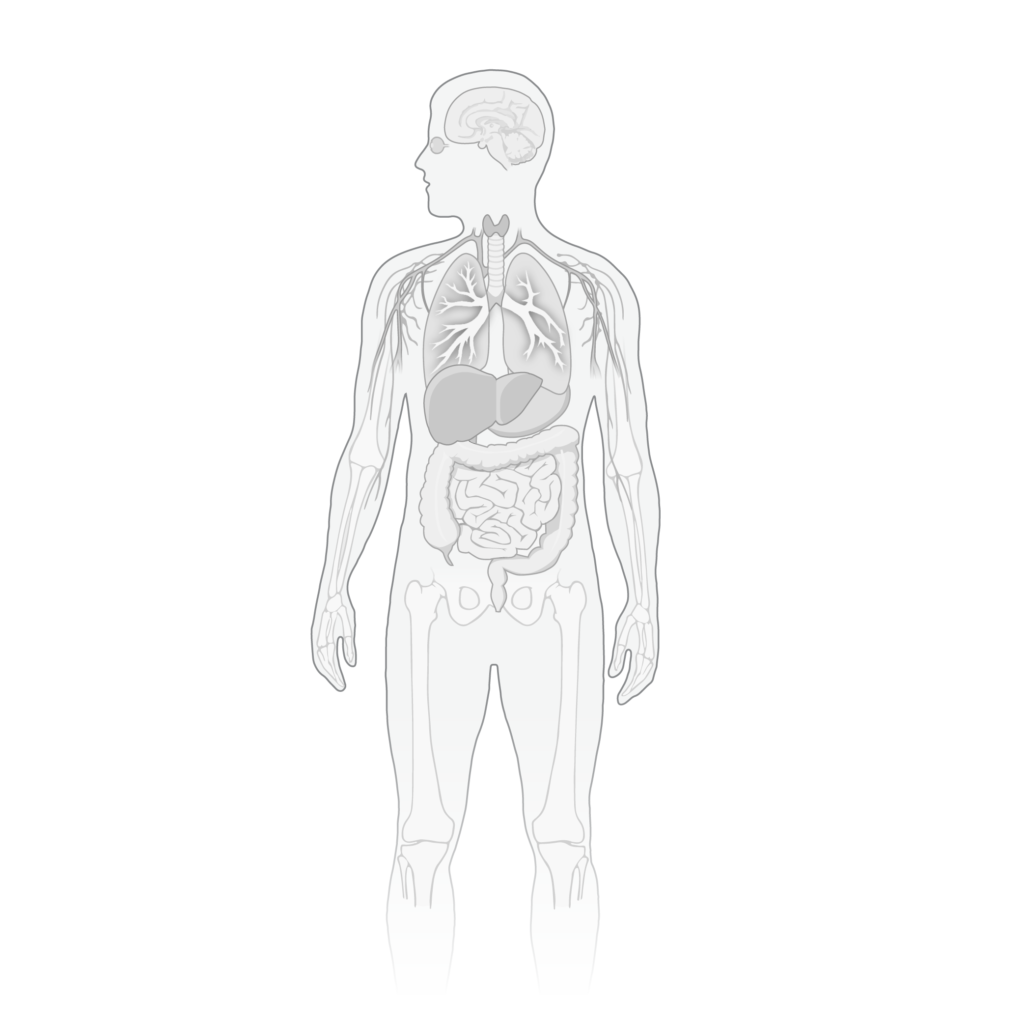
Pharmacokinetics is the branch of pharmacology that studies how the body absorbs, distributes, metabolizes, and eliminates a drug over time, essentially describing what the body does to a drug rather than what the drug does to the body, which is the separate focus of pharmacodynamics. Understanding a drug’s pharmacokinetic profile is essential for determining appropriate dosing, how frequently a drug should be administered, and how factors like organ function, age, and other medications might require dose adjustments for a given patient.
Absorption
Absorption describes how a drug moves from its site of administration into the bloodstream, and it varies considerably depending on the route of administration, with intravenous delivery bypassing absorption entirely by placing a drug directly into the bloodstream, while oral medications must survive the digestive environment and cross the intestinal lining before reaching systemic circulation. Bioavailability, the proportion of an administered drug dose that actually reaches systemic circulation in active form, is often substantially lower for orally administered drugs than for intravenous administration, partly due to a phenomenon called first-pass metabolism, in which the liver breaks down a meaningful portion of an orally absorbed drug before it ever reaches the rest of the body.
Distribution
Once in the bloodstream, a drug distributes throughout the body’s tissues and fluids at a rate and extent influenced by factors including how well it dissolves in fat versus water, how strongly it binds to blood proteins like albumin, which effectively sequesters a portion of the drug and limits the amount of free, pharmacologically active drug available at any moment, and blood flow to different tissues and organs. Highly fat-soluble drugs tend to distribute more readily into fatty tissue and can cross cell membranes, including the blood-brain barrier, more easily than water-soluble drugs, which has significant implications for which drugs can effectively reach certain target tissues like the brain.
Metabolism
Drug metabolism, occurring predominantly in the liver through enzyme systems including the cytochrome P450 family, chemically transforms drugs into metabolites that are typically, though not always, less pharmacologically active and more easily eliminated from the body than the original drug. Genetic variation in these metabolizing enzymes between individuals, along with factors like liver disease, age, and interactions with other drugs or certain foods that can either accelerate or inhibit specific metabolic enzymes, can cause substantial differences in how quickly or slowly different people process the exact same drug and dose.
Elimination
Drugs and their metabolites are ultimately eliminated from the body primarily through the kidneys into urine or through the liver and bile into feces, with the specific balance between these routes varying by drug. A drug’s half-life, the time required for its concentration in the blood to decrease by half, is a key pharmacokinetic parameter that determines how frequently a drug needs to be redosed to maintain an effective concentration, with drugs having a short half-life generally requiring more frequent dosing than drugs with a long half-life to maintain similar therapeutic blood levels.
Clinical Applications
Pharmacokinetic principles directly inform critical clinical decisions, including appropriate starting doses, how to adjust dosing for patients with impaired kidney or liver function that slows drug elimination, and predicting and avoiding potentially dangerous drug interactions when a patient takes multiple medications that affect the same metabolic enzymes. Therapeutic drug monitoring, which involves measuring actual blood drug concentrations for certain medications with a narrow therapeutic range, where the gap between an effective dose and a toxic dose is small, relies directly on pharmacokinetic principles to keep patients safely within an effective and non-toxic concentration range.
Age-Related Differences
Pharmacokinetic parameters shift across the lifespan, which is why pediatric and geriatric dosing cannot simply scale an adult dose by body weight. In infants, the enzyme systems responsible for drug metabolism are still maturing and kidney filtration is less efficient, which can slow elimination of some drugs while altering the distribution of others, meaning a dose safe in an adult can accumulate to dangerous levels in a newborn. In older adults, declining kidney function, reduced liver metabolic capacity, and a shift in body composition toward more fat and less lean tissue tend to prolong the half-life of many drugs, raising the risk of accumulation and toxicity, especially since older adults also commonly take multiple medications that can interact.
Drug Interactions and Half-Life
Many clinically important drug interactions arise when one medication induces or inhibits the cytochrome P450 enzymes that metabolize another, either accelerating clearance and reducing effectiveness or slowing clearance and raising toxicity risk. Clinicians consult published interaction references and, for high-risk drug combinations, may adjust doses, choose alternative medications, or monitor blood levels more closely to avoid these effects. A drug’s half-life also lets clinicians estimate how long it takes to reach a stable concentration with repeated dosing, since a drug given at a fixed interval generally reaches steady state after roughly four to five half-lives, a rule of thumb that applies in reverse when estimating how long a drug takes to clear the body after the last dose.
FAQs
What’s the difference between pharmacokinetics and pharmacodynamics?
Pharmacokinetics studies what the body does to a drug, meaning its absorption, distribution, metabolism, and elimination, while pharmacodynamics studies what the drug does to the body.
Why do oral medications often have lower bioavailability than intravenous ones?
Oral drugs must survive digestion and cross the intestinal lining, and a portion is broken down by the liver through first-pass metabolism before reaching systemic circulation, unlike intravenous drugs, which bypass this process entirely.
Quick checkWhat's the difference between a drug's absorption and its bioavailability?Show answer
Absorption describes how a drug moves from its administration site into the bloodstream, while bioavailability is the proportion of the administered dose that actually reaches systemic circulation in active form.
Editorially reviewed by Specialty Digest Editorial TeamLast reviewed November 2, 2026Researched and drafted with AI assistanceReport an issue