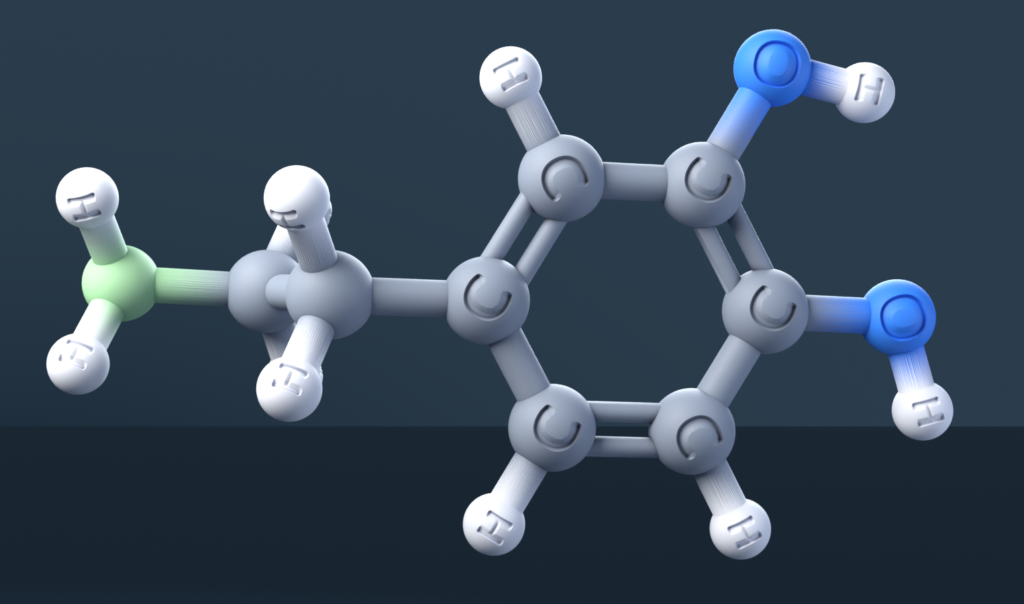
A neurotransmitter is a chemical messenger released by a neuron at a synapse that travels across a tiny gap to influence the activity of another neuron, a muscle cell, or a gland cell. Neurotransmitters are the primary means by which neurons communicate with one another, translating an electrical signal inside the sending neuron into a chemical signal that can cross the synaptic gap and then back into an electrical or chemical response in the receiving cell. More than one hundred different neurotransmitters have been identified in the human nervous system, each with its own characteristic effects, and the balance between them influences mood, movement, memory, appetite, sleep, and virtually every other function the brain controls. Neurotransmitters are broadly grouped by their chemical structure into categories such as amino acids, monoamines, and peptides, a classification that helps researchers predict how a given molecule is likely to be manufactured, stored, and broken down.
How neurotransmitters work
Neurotransmitters are manufactured and stored inside small membrane-bound sacs called vesicles within the presynaptic terminal of a neuron. When an electrical signal reaches the terminal, these vesicles fuse with the cell membrane and release their contents into the synaptic cleft, the narrow gap separating the sending and receiving neurons. The released neurotransmitter molecules then diffuse across this gap and bind to specifically shaped receptor proteins on the receiving neuron surface, and depending on which receptor is activated, the effect can either excite the receiving neuron, making it more likely to fire, or inhibit it, making firing less likely. Afterward, neurotransmitter molecules are cleared from the synapse either by specialized reuptake proteins that pull them back into the sending neuron for reuse or by enzymes that break them down chemically, and many widely used drugs work precisely by slowing one or the other of these two clearance routes.
Major classes of neurotransmitters
Dopamine, closely associated with motivation, reward, and movement, plays a central role in conditions ranging from addiction to Parkinson disease, the latter caused by the progressive loss of dopamine-producing neurons. Serotonin influences mood, appetite, and sleep, and many common antidepressant medications work specifically by increasing the amount of serotonin available at the synapse. Glutamate is the primary excitatory neurotransmitter in the brain, driving the great majority of signaling involved in learning and memory, while gamma-aminobutyric acid, usually abbreviated GABA, serves as the primary inhibitory neurotransmitter, calming neural activity and helping to prevent the brain from becoming dangerously overactive. Acetylcholine, among the first neurotransmitters ever identified, plays a central role at the junction between nerves and muscles, triggering muscle contraction, and also contributes to attention and memory within the brain itself, with the progressive loss of acetylcholine-producing neurons being closely associated with the memory decline seen in Alzheimer disease.
Neurotransmitters, mood, and mental illness
For decades, depression was widely explained to the public through a simplified chemical imbalance model centered on low serotonin levels, but contemporary research indicates that mood disorders involve a considerably more complex interplay of neurotransmitter systems, brain circuitry, genetics, and life experience rather than a single deficient chemical. Despite this more complicated picture, medications that alter neurotransmitter activity, including selective serotonin reuptake inhibitors for depression and anxiety and dopamine-related medications for Parkinson disease and schizophrenia, remain central to treating these conditions effectively. Many recreational and illicit drugs exert their effects by directly manipulating neurotransmitter systems, with stimulants typically increasing the availability of dopamine and related chemicals and depressant drugs typically enhancing the calming effects of GABA, which is part of why these two broad categories of drugs produce such strikingly different effects on energy, mood, and alertness.
Discovery and ongoing research
The idea that chemical messengers, rather than direct electrical contact, carry signals across the synapse was established chiefly through the work of Otto Loewi, who demonstrated in 1921 that a chemical released by one frog heart nerve could slow a second, separate heart, work that later earned him the Nobel Prize. Since that discovery, researchers have continued identifying additional neurotransmitters and discovering that many of the original classifications were less tidy than once assumed, since some chemicals once classified strictly as hormones, including adrenaline, also act as neurotransmitters within the brain depending on where and how they are released. Modern neuroscience increasingly focuses on how neurotransmitter systems interact with one another in complex networks, rather than viewing any single neurotransmitter in isolation, reflecting a broader shift toward understanding brain function as a product of interconnected systems. Advances in brain imaging and molecular biology continue to reveal new details about exactly how these systems interact, refining treatments for psychiatric and neurological conditions as the underlying science becomes clearer.
FAQs
What is the difference between a neurotransmitter and a hormone?
A neurotransmitter acts across the tiny gap of a synapse to affect a neighboring cell almost instantly, while a hormone travels through the bloodstream to affect distant cells, though some chemicals can function as both.
What does dopamine do?
Dopamine is closely associated with motivation, reward, and movement, and plays a central role in conditions ranging from addiction to Parkinson disease.
Is depression really caused by a serotonin imbalance?
Contemporary research suggests mood disorders involve a far more complex interplay of neurotransmitter systems, circuitry, genetics, and life experience, rather than a single deficient chemical.
Who discovered the first neurotransmitter?
Otto Loewi demonstrated in 1921 that a chemical released by one nerve could affect a separate organ, establishing the existence of chemical neurotransmission and later earning him the Nobel Prize.
Key facts
- More than 100 distinct neurotransmitters identified in the human nervous system
- Major types include dopamine, serotonin, glutamate, GABA, and acetylcholine
- Otto Loewi demonstrated chemical neurotransmission in 1921, earning a Nobel Prize
- Many psychiatric medications work by altering neurotransmitter levels or reuptake
- Modern research emphasizes interacting neurotransmitter networks rather than single chemicals
Quick checkWhat is the difference between a neurotransmitter and a hormone?Show answer
A neurotransmitter acts almost instantly across a synapse to affect a neighboring cell, while a hormone travels through the bloodstream to affect distant cells.
Sources
- National Institute of Mental Health, Neurotransmitters; Britannica, Neurotransmitter
Editorially reviewed by Specialty Digest Editorial TeamLast reviewed November 2, 2026Researched and drafted with AI assistanceReport an issue