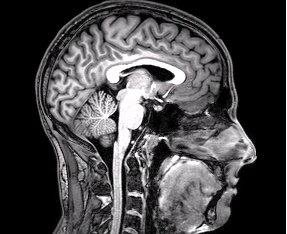
Neuroplasticity, also called brain plasticity, is the nervous system ability to change its structure and function in response to experience, learning, injury, or environmental demands. This capacity for reorganization occurs at many levels, from strengthening or weakening individual synapses to, in some circumstances, forming entirely new connections between distant brain regions, and it continues to some degree throughout a person entire life rather than stopping once childhood ends, as scientists once widely assumed. Neuroplasticity underlies ordinary learning and memory, supports recovery after certain types of brain injury, and has become a central concept across modern neuroscience, psychology, and rehabilitation medicine. The term itself gained wide scientific and popular attention only in the latter half of the twentieth century, after decades in which many neuroscientists assumed the adult brain was essentially fixed once development was complete.
Types of neuroplasticity
Structural plasticity refers to physical changes in the brain, including the growth of new dendritic branches, the strengthening or pruning of existing synaptic connections, and, in a small number of brain regions, the generation of entirely new neurons, a process called neurogenesis. Functional plasticity describes the brain ability to shift a particular function from a damaged area to a healthy one, allowing undamaged regions to take over tasks previously handled by tissue that has been lost or injured. Developmental plasticity, which is especially pronounced during childhood, refers to the heightened capacity of a young, still-maturing brain to be shaped by experience, which is why skills such as language and vision develop so readily early in life but become comparatively harder to acquire or correct later on, which is part of why young children so often acquire a second language with native-sounding pronunciation far more easily than adults learning the same language later in life.
Critical periods and lifelong change
Researchers have identified critical periods, specific developmental windows during which particular brain circuits are especially sensitive to experience and relatively easy to shape, such as the first few years of life for acquiring native language pronunciation or the first months of life for normal visual development. Classic experiments on vision in animals, which showed that temporarily depriving one eye of normal input during a critical period could produce lasting visual impairment, helped establish just how powerfully early sensory experience can shape the developing brain in ways that later experience cannot always fully reverse. While critical periods make certain kinds of change easiest in childhood, research over the past several decades has firmly established that meaningful plasticity persists throughout adulthood and even into old age, overturning the older assumption that the adult brain was essentially fixed, a shift in scientific consensus that has reshaped expectations for rehabilitation and lifelong learning alike.
Neuroplasticity in learning and skill acquisition
Every time a person learns a new skill, from playing a musical instrument to speaking a new language, the brain responds by strengthening relevant synaptic connections and, in some cases, physically expanding the brain regions most involved in that skill. Studies of experienced musicians, taxi drivers who have memorized complex city street networks, and other individuals with highly specialized skills have found measurable differences in the size or organization of relevant brain regions compared to people without that training, offering striking real-world evidence of experience-driven plasticity that goes well beyond what laboratory studies alone had previously demonstrated. This same mechanism underlies ordinary memory formation, since recalling and reinforcing an experience through repetition strengthens the specific synaptic connections encoding that memory, making it more stable, more resistant to interference from new information, and more easily retrieved in the future.
Neuroplasticity in rehabilitation and therapy
Rehabilitation after a stroke or other brain injury relies heavily on neuroplasticity, since therapies that encourage repeated practice of an impaired movement or skill can help healthy brain tissue gradually take over functions previously handled by the damaged area. Constraint-induced movement therapy, in which a patient healthy limb is deliberately restricted to force increased use of an impaired limb, exploits this principle directly and has produced measurable functional improvements in some stroke survivors, even when therapy begins well after the initial injury has stabilized. Neuroplasticity also informs certain approaches to treating psychiatric conditions, since therapies such as cognitive behavioral therapy are understood partly as a way of gradually reshaping maladaptive thought patterns by strengthening new, healthier neural pathways through repeated practice over time, gradually making healthier patterns of thinking feel more automatic and effortful avoidance of them less necessary.
FAQs
Does the brain continue changing throughout adulthood?
Yes; while certain critical periods make some kinds of change easiest in childhood, research has firmly established that meaningful neuroplasticity persists throughout adulthood and even into old age.
What is the difference between structural and functional plasticity?
Structural plasticity refers to physical changes such as new synaptic connections or neurons, while functional plasticity describes the brain ability to shift a function from a damaged area to a healthy one.
How does neuroplasticity help stroke recovery?
Rehabilitation therapies encourage repeated practice of impaired movements or skills, allowing healthy brain tissue to gradually take over functions previously handled by the damaged area.
What is a critical period in brain development?
A specific developmental window during which a particular brain circuit is especially sensitive to experience, such as early childhood for acquiring native language pronunciation.
What is neurogenesis?
The generation of entirely new neurons, which occurs only in a small number of adult brain regions and represents one specific form of structural neuroplasticity.
Key facts
- The brain's capacity to reorganize its structure and function throughout life
- Includes structural plasticity (new connections, neurogenesis) and functional plasticity
- Critical periods make certain kinds of change easiest in childhood
- Underlies learning, memory, and recovery after brain injury
- Stroke rehabilitation therapies exploit neuroplasticity through repeated practice
Quick checkDoes the adult brain still change?Show answer
Yes, research has established that meaningful neuroplasticity persists throughout adulthood, overturning the older assumption that the adult brain was fixed.
Sources
- National Institute of Neurological Disorders and Stroke, Neuroplasticity; Britannica, Neuroplasticity
Editorially reviewed by Specialty Digest Editorial TeamLast reviewed November 2, 2026Researched and drafted with AI assistanceReport an issue