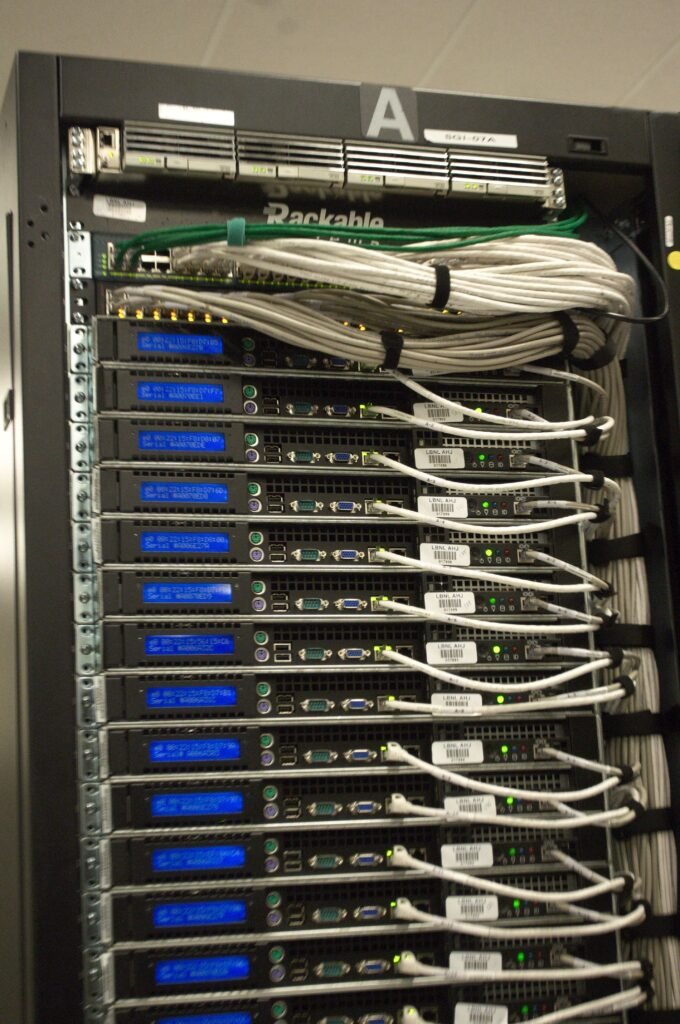
A data warehouse is a large, centralized repository designed to store integrated data gathered from many different source systems across an organization, structured specifically to support analysis and reporting rather than the everyday transaction processing those source systems were originally built for. Where an individual sales system, inventory system, and customer service system each store the data needed to run their own specific day-to-day operations, a data warehouse pulls relevant data from all of them into one consistent, unified place, making it possible to ask questions that span the entire business rather than being limited to whatever a single underlying system happens to track.
Why Operational Systems Are Not Enough
The databases that power everyday business operations, called operational or transactional systems, are optimized for quickly recording individual transactions, such as a single sale or a single customer service ticket, as they happen. Running large, complex analytical queries directly against these same systems can slow down the everyday operations they are meant to support, and because each operational system typically only knows about its own narrow slice of the business, answering a broader question, such as how a marketing campaign affected sales across every region and product line at once, would require manually and repeatedly combining data from several separate, inconsistently structured systems.
A data warehouse solves both problems by extracting data from these operational systems on a regular schedule, transforming it into a clean, consistent format, and loading it into the warehouse’s own separate storage, a three-step process commonly called ETL, for extract, transform, and load. Because the warehouse holds its own separate copy of the data, analysts can run even large, demanding, complex queries against it without placing any additional load on the operational systems that the rest of the business depends on to function normally day to day.
Structure and Modern Alternatives
Data inside a warehouse is typically organized using a schema designed specifically for efficient analysis rather than the schema designs used in operational systems, often arranging data around clearly defined facts, such as individual sales transactions, and related dimensions describing context such as time, product, and location, a structure commonly called a star schema because of how it visually radiates outward from a central fact table. This structure is specifically optimized for the kinds of broad, aggregating questions that business analysts commonly ask, such as total sales by region and month, rather than the kind of single-record lookups an operational system handles constantly. Many data warehouses also maintain historical snapshots of changing data over time, letting analysts compare how a business metric looked at different points in the past rather than only seeing its current, most recent state.
More recently, many organizations have adopted a related but distinct approach called a data lake, which stores raw data in its original, unprocessed form, including unstructured and semi-structured data that does not fit neatly into a traditional warehouse’s predefined schema, deferring the work of structuring and cleaning that data until it is actually needed for a specific analysis. Some organizations now combine both approaches into what is often called a data lakehouse, aiming to capture the storage flexibility of a data lake alongside much of the structure, query performance, and data governance benefits traditionally associated with a dedicated, carefully managed data warehouse.
From Mainframes to the Cloud
The modern concept of a data warehouse emerged in the 1980s and gained wide adoption through the 1990s, as large organizations with many separate operational systems recognized the value of combining their data into a single, consistent source for company-wide reporting and decision-making. Early data warehouses required substantial upfront investment in specialized hardware and database software, and building one was typically a lengthy, expensive project undertaken mainly by large corporations with the budget and technical staff to support it.
Cloud-based data warehouse platforms have since transformed this picture considerably, letting organizations of nearly any size rent powerful, scalable data warehouse capacity on demand rather than purchasing and maintaining the underlying hardware themselves. This shift, combined with increasingly automated tools for extracting and transforming data from common business systems, has made data warehousing accessible to a much broader range of organizations than the large enterprises that originally pioneered the concept, and modern data warehouses now routinely feed dashboards, reports, and increasingly the training data pipelines used to build machine learning models as well.
Frequently Asked Questions
What is the difference between a data warehouse and a regular operational database? A regular operational database is optimized for quickly recording and retrieving individual transactions as part of day-to-day business operations, while a data warehouse is optimized specifically for large-scale analysis across integrated data gathered from many different source systems, generally at the cost of slower performance for the kind of single-record updates an operational database handles easily.
What does ETL mean in the context of a data warehouse? ETL stands for extract, transform, and load, describing the three-step process of pulling data out of various source systems, cleaning and reshaping it into a consistent format, and then loading it into the data warehouse on a regular schedule, which keeps the warehouse data organized, current, and ready for efficient analysis.
How is a data warehouse different from a data lake? A data warehouse stores data in a predefined, structured format optimized for analysis, while a data lake stores data in its original, often unprocessed form, including unstructured data, deferring structuring work until the data is actually needed, which offers more flexibility at some cost to immediate query performance and consistency across different analytical teams.
Key facts
- A data warehouse integrates data from multiple operational systems into one place.
- ETL, extract, transform, load, moves data from sources into the warehouse.
- A star schema organizes data around facts and descriptive dimensions.
- A data lake stores raw, unstructured data without a predefined schema.
- A data lakehouse combines data lake flexibility with data warehouse structure.
Quick checkWhy do organizations build a separate data warehouse instead of analyzing operational systems directly?Show answer
Running large analytical queries directly against operational systems can slow down the everyday transactions they support, and each operational system only holds its own narrow slice of data, so a data warehouse integrates data from many systems into one place built specifically for analysis.
Sources
- The Data Warehouse Toolkit (Kimball & Ross); Building the Data Warehouse (Inmon)
Editorially reviewed by Specialty Digest Editorial TeamLast reviewed November 2, 2026Researched and drafted with AI assistanceReport an issue