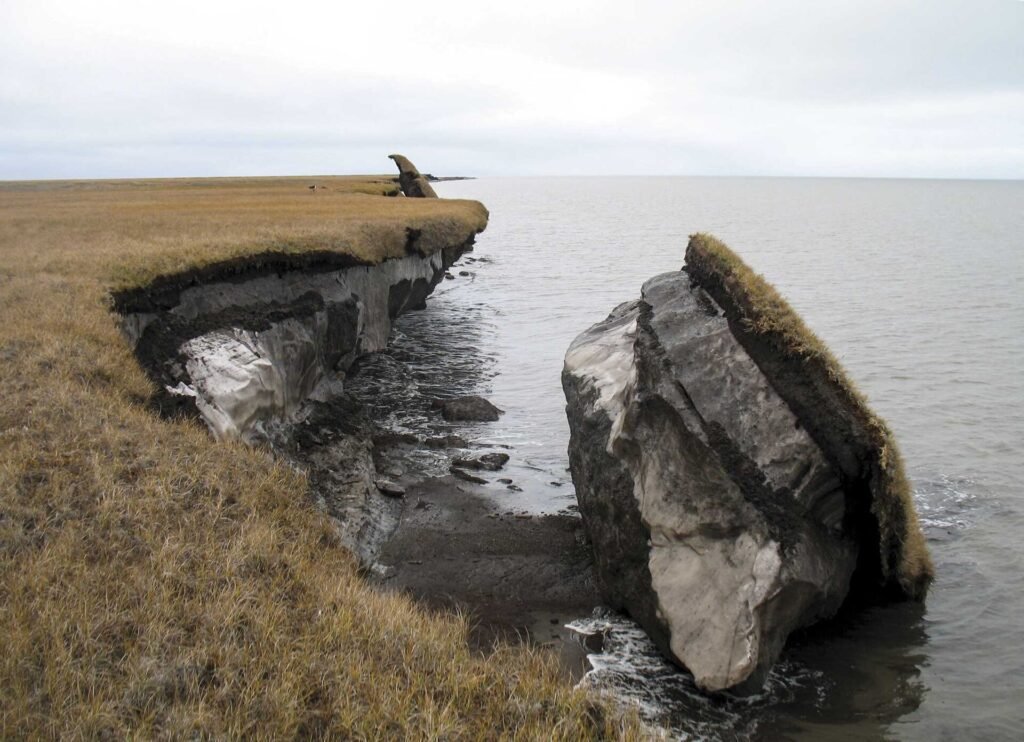
Each December, NOAA publishes the Arctic Report Card, a peer-reviewed update on the northern polar region. The 2025 edition, which marks the report’s 20th year, was written by 112 scientists from 13 countries. The World Meteorological Organization (WMO) summarized its findings, and the headline is stark: the Arctic had its warmest year on record.
What is the Arctic Report Card?
The Arctic Report Card is NOAA’s annual, peer-reviewed assessment of the state of the Arctic environment. An international team of scientists writes it, and it covers topics from air temperature and sea ice to snow, glaciers and vegetation. This article draws on the 2025 edition as summarized by the WMO.
How to read the records
Not every number in the report is a record, and the differences are informative. Air temperature and the March sea ice maximum set records. The September 2025 sea ice minimum was the 10th lowest, not the lowest, and Greenland’s loss was below its long-term average. Our own reading is that a trend can be steady while single years bounce above and below it. What stands out is that all 19 of the lowest September minimums fall in the last 19 years, which is a pattern and not a single result.
How warm was the Arctic in 2025?
Arctic surface air temperatures from October 2024 to September 2025 were the warmest recorded since 1900, according to the WMO summary. The last 10 years are the 10 warmest on record in the Arctic. Since 2006, the Arctic annual temperature has risen at more than double the global rate. Precipitation for the same period set a new record high.
What is happening to Arctic sea ice?
- Winter maximum: sea ice in March 2025 reached the lowest annual maximum extent in the 47-year satellite record
- Summer minimum: September 2025 had the 10th lowest minimum extent, and all 19 of the lowest September minimums have occurred in the last 19 years
- Old ice: sea ice older than 4 years, the oldest and thickest, has declined by more than 95 percent since the 1980s
Old ice matters because it is thicker and more resistant to summer melt. Its loss means the ice cover is thinner and younger overall, even in years when the summer minimum is not the lowest on record.
What is Atlantification?
Atlantification is the influx of warmer, saltier water from lower latitudes into the Arctic Ocean. The report finds that this Atlantification has reached the central Arctic Ocean.
What about glaciers and the Greenland ice sheet?
Glaciers in Arctic Scandinavia and Svalbard had the largest annual net ice loss on record between 2023 and 2024. The Greenland Ice Sheet lost an estimated 129 billion tons of ice in 2025. That is less than the 2003 to 2024 annual average of 219 billion tons, but the long-term trend is still net loss. Alaskan glaciers have lost an average of 125 feet (38 meters) of ice since the mid-20th century. This land ice is a major contributor to sea level rise, a topic we cover in our article on NASA’s 2024 sea level analysis.
Why is a lower loss in Greenland not good news?
A year with less ice loss than the average does not reverse the trend. The report itself says the long-term trend is still net loss. One year below average can come from weather, such as snowfall and summer temperature, and does not show that the ice sheet has stabilized.
What is happening to snow cover?
June snow cover extent over the Arctic is half what it was six decades ago, according to the report. That is a long-run decline measured against the early record, not a single bad year.
What are rusting rivers and Arctic greening?
Thawing permafrost has turned pristine rivers and streams orange in more than 200 Arctic Alaska watersheds over the past decade, a phenomenon called rusting rivers. These rivers have higher acidity and toxic metal levels, which degrade water quality and harm aquatic habitats. At the same time, the greening of the Arctic, first detected in the late 1990s, continues to affect habitats, permafrost and the carbon cycle. In 2025, maximum Arctic tundra greenness was the third highest in the 26-year satellite record. We take a closer look in our explainer on permafrost and tundra carbon.
Why does the Arctic warm faster?
The WMO summary reports the faster warming but the pages consulted here do not detail the causes. Scientists generally point to feedbacks, including the loss of reflective ice and snow, but this article keeps to what the sources state. The practical point is that changes in the Arctic connect to the wider system, including the heat balance described under the greenhouse effect and the broader pattern of climate change.
How does this connect to emissions?
The Arctic responds to the global buildup of heat-trapping gases. Our article on the latest CO2 emissions estimates describes where those emissions stand. The Arctic Report Card documents the physical consequences in one region, but it does not estimate future emissions.
Frequently asked questions
Was 2025 the warmest year in the Arctic?
The October 2024 to September 2025 period was the warmest recorded since 1900, according to the WMO summary of NOAA’s report.
How low was the sea ice?
March 2025 had the lowest annual maximum in the 47-year satellite record, and September 2025 had the 10th lowest minimum.
How much ice does Greenland lose?
An estimated 129 billion tons in 2025, compared with an annual average of 219 billion tons from 2003 to 2024.
Is the Arctic warming faster than the rest of the world?
Yes. Since 2006 the Arctic annual temperature has risen at more than double the global rate, according to the WMO summary.
What are rusting rivers?
Rivers in Arctic Alaska turned orange by thawing permafrost, with higher acidity and toxic metal levels.