An anxiety disorder is a mental health condition characterized by excessive, persistent worry or fear that is disproportionate to the actual situation, difficult to control, and significant enough to interfere with daily functioning, relationships, or work. Anxiety disorders are distinguished from the normal, everyday anxiety most people experience occasionally, such as nervousness before a big exam or job interview, primarily by their intensity, duration, and the degree to which they disrupt a person’s ability to function in ordinary life.
Major Types of Anxiety Disorders
Generalized anxiety disorder involves persistent, excessive worry about multiple areas of life, such as health, work, and relationships, occurring most days for at least six months, often accompanied by physical symptoms like muscle tension and difficulty sleeping. Panic disorder involves recurrent, unexpected panic attacks, sudden episodes of intense fear accompanied by physical symptoms like a racing heart, shortness of breath, and dizziness, along with persistent worry about having future attacks. Social anxiety disorder centers specifically on fear of social or performance situations where a person might be judged or embarrassed, while specific phobias involve intense, focused fear of a particular object or situation, such as heights, flying, or certain animals.
Biological and Psychological Mechanisms
Anxiety disorders involve a combination of genetic predisposition, differences in brain regions involved in processing fear and threat, particularly the amygdala, and neurotransmitter systems including serotonin and gamma-aminobutyric acid, which normally help regulate and dampen the body’s fear and stress responses. Psychological factors, including learned associations between certain situations and danger, unhelpful thought patterns that amplify perceived threat, and avoidance behaviors that provide short-term relief but tend to reinforce anxiety over the longer term, also play a substantial role in how anxiety disorders develop and persist.
The Physical Symptoms of Anxiety
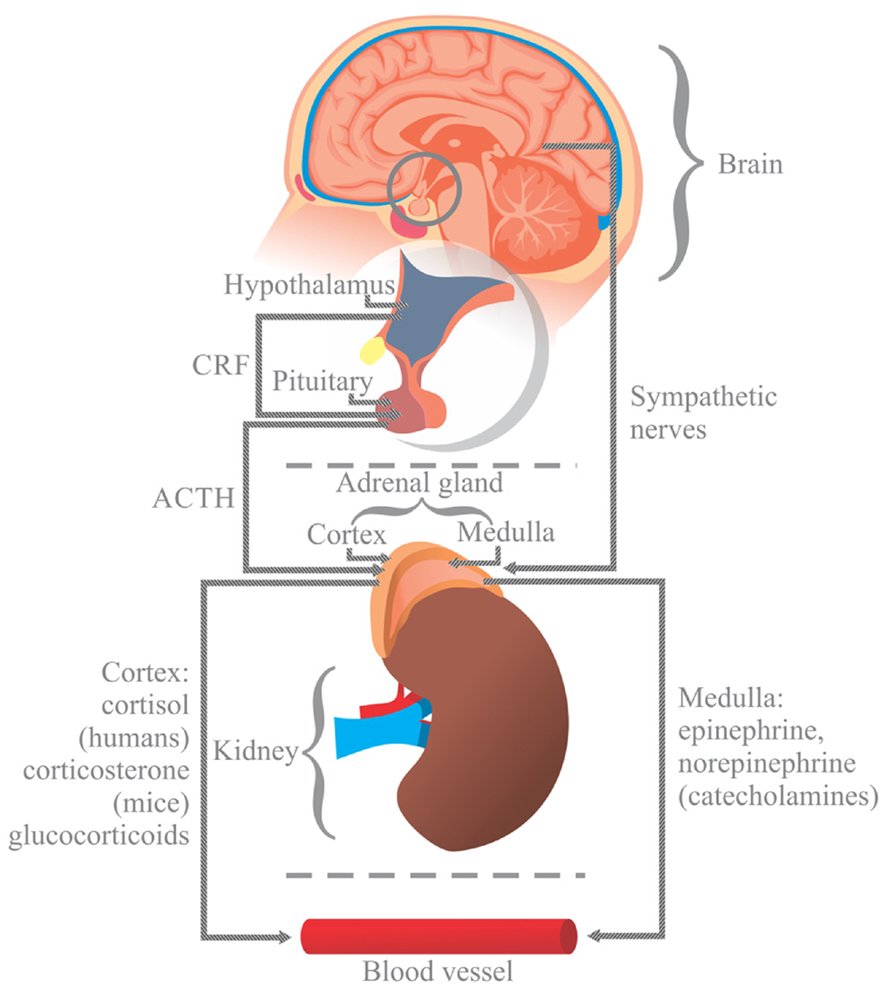
Anxiety disorders commonly produce physical symptoms stemming from activation of the body’s stress response system, including rapid heart rate, muscle tension, gastrointestinal discomfort, sweating, and difficulty sleeping, which can sometimes be severe enough that people initially seek medical care for the physical symptoms themselves before an underlying anxiety disorder is identified. This overlap between psychological and physical symptoms is part of why anxiety disorders are sometimes misdiagnosed or initially evaluated as a physical medical condition before the underlying anxiety component is recognized.
Evidence-Based Treatments
Cognitive behavioral therapy, which helps people identify and modify unhelpful thought patterns and gradually reduce avoidance behaviors through structured exposure to feared situations, has extensive research support as an effective treatment for most anxiety disorders, often producing lasting improvement that persists after treatment ends. Medications, particularly selective serotonin reuptake inhibitors, are also commonly used, either alone or combined with therapy, and are generally considered similarly effective to therapy for many anxiety disorders, with the choice between approaches often guided by patient preference, symptom severity, and practical access considerations.
Prevalence and Impact
Anxiety disorders are among the most common mental health conditions worldwide, affecting a substantial portion of the population at some point during their lifetime, and they frequently co-occur with other conditions, particularly depression, which can complicate both diagnosis and treatment when present together. Despite their prevalence and the availability of effective treatments, many people with anxiety disorders do not seek treatment, often due to stigma, limited access to mental health care, or not recognizing their symptoms as a treatable condition rather than simply an inherent personality trait.
Anxiety Disorders Across the Lifespan
Anxiety disorders can emerge at any age, but certain patterns are common, with some anxiety disorders, particularly specific phobias and separation anxiety, often first appearing in childhood, while generalized anxiety disorder and panic disorder more commonly first emerge in adolescence or early adulthood. Children and adolescents may express anxiety differently than adults, sometimes through physical complaints like stomachaches, irritability, or school avoidance rather than clearly articulating feelings of worry, which can make anxiety disorders in younger people somewhat harder to recognize without specific attention to these less obvious presentations.
Older adults face their own distinct challenges in anxiety disorder recognition and treatment, since anxiety symptoms can overlap with or be masked by co-occurring medical conditions, and some older adults may attribute anxiety symptoms to aging or physical illness rather than recognizing a treatable mental health condition. Additionally, certain medications commonly prescribed for physical health conditions can sometimes contribute to or worsen anxiety symptoms, which clinicians working with older patients need to carefully consider when evaluating new or worsening anxiety symptoms in this population.
Beyond formal treatment, several lifestyle factors have research support for helping manage anxiety symptoms, including regular physical exercise, which has been shown in numerous studies to reduce anxiety symptoms through mechanisms that likely include both physiological effects and the psychological benefits of engaging in a structured, achievable activity, adequate sleep, since sleep deprivation can both trigger and worsen anxiety symptoms, and reduced caffeine and alcohol intake, both of which can directly exacerbate anxiety symptoms in susceptible individuals. These lifestyle approaches are generally considered useful complements to, rather than replacements for, evidence-based treatments like therapy and medication for people with a diagnosed anxiety disorder significant enough to warrant formal treatment.
FAQs
How is an anxiety disorder different from normal, everyday anxiety?
The key differences are intensity, duration, and disruption to daily life; an anxiety disorder involves excessive worry that is difficult to control and significantly interferes with functioning, not just situational nervousness.
Which treatment works better for anxiety disorders: therapy or medication?
Both cognitive behavioral therapy and medications like SSRIs have strong research support and are generally considered similarly effective, with the choice often guided by patient preference and individual circumstances.
Quick checkWhy might anxiety disorders be harder to recognize in children than in adults?Show answer
Children may express anxiety through physical complaints, irritability, or school avoidance rather than clearly articulating feelings of worry, making it less obvious without specific attention to these presentations.
Editorially reviewed by Specialty Digest Editorial TeamLast reviewed November 2, 2026Researched and drafted with AI assistanceReport an issue