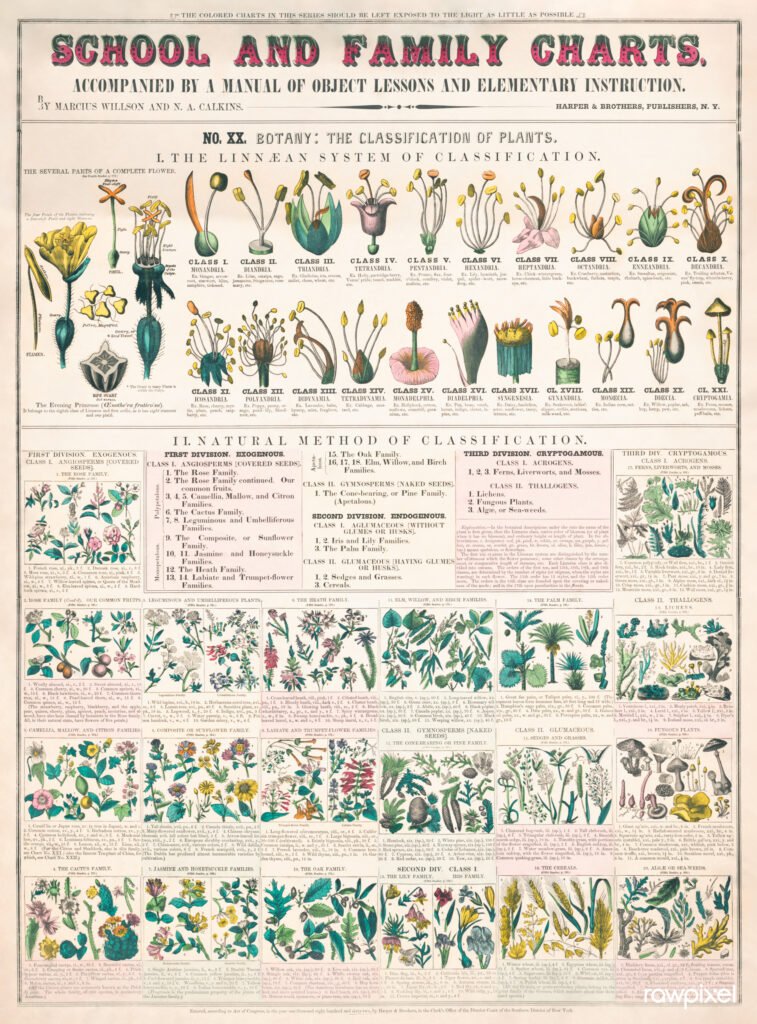
Dual coding theory holds that the human mind processes and stores information using two separate but interacting systems, a verbal system for processing words and language, and a visual system for processing images and spatial information, and that combining both channels for the same material produces stronger learning and memory than relying on either one alone. The theory was developed by psychologist Allan Paivio in the 1970s based on experiments showing that people remembered concrete words that easily evoke a mental image better than abstract words that do not.
Supporting evidence
A substantial body of research has supported the general prediction that pairing words with relevant images improves learning and recall compared with words alone, a finding sometimes called the picture superiority effect, though researchers continue to debate the precise mechanisms behind why dual coding works as well as it appears to in many studies. The theory has influenced the design of textbooks, educational videos, and multimedia learning materials that deliberately combine narration or text with carefully chosen diagrams or illustrations rather than relying on text alone.
Practical applications and limits
Dual coding has become a popular classroom strategy, with teachers encouraged to pair written or spoken explanations with diagrams, timelines, or simple sketches rather than decorative images that do not actually relate to the content being taught, since research suggests the image must be meaningfully connected to the material to produce a learning benefit. Critics caution that simply adding any image to a lesson is not enough to invoke dual coding’s benefits, and that poorly chosen or purely decorative visuals can sometimes distract from learning rather than reinforce it.
Relationship to cognitive load theory
Dual coding theory is often discussed alongside cognitive load theory, since both address how working memory processes information, though dual coding specifically addresses how using two channels, verbal and visual, can expand effective processing capacity compared with relying on one channel alone, which carries its own capacity limits. Some researchers have proposed that dual coding and cognitive load theory work together under a broader framework sometimes called the cognitive theory of multimedia learning, which has directly influenced guidelines for designing effective educational videos and slideshows.
Paivio’s original research focused primarily on verbal memory for words that do or do not evoke mental imagery, and later researchers extended the theory into broader educational contexts, testing whether deliberately pairing diagrams with spoken or written explanations improves learning outcomes across a wide range of school subjects beyond the vocabulary-learning tasks used in Paivio’s earliest experiments.
Criticism of dual coding theory
Some cognitive scientists have questioned whether the mind truly uses two entirely separate and independent systems for verbal and visual information, as the strongest versions of dual coding theory propose, or whether verbal and visual processing are more deeply intertwined than the theory originally suggested, a debate that continues within cognitive psychology research. Despite this theoretical debate, the practical recommendation to combine meaningful visuals with verbal explanation has held up well across many applied studies and remains one of the more consistently supported strategies in research on effective instructional design.
Dual coding and language learning
Foreign language instruction has drawn particularly heavily on dual coding theory, since pairing a new vocabulary word with an image depicting its meaning, rather than only a translation into the learner’s native language, appears to strengthen memory for that word more effectively in several studies, possibly because the image bypasses the need to rely on an intermediate translation step entirely.
Dual coding in note-taking strategies
Study skills programs have incorporated dual coding into recommended note-taking strategies, encouraging students to supplement traditional written notes with simple sketches, diagrams, or concept maps summarizing the same material visually, on the theory that creating this second visual representation during the note-taking process itself, not only when reviewing finished notes later, reinforces the underlying dual coding benefit more effectively.
Dual coding and students with learning differences
Some special education researchers have explored whether dual coding strategies offer particular benefit to students with specific language-based learning difficulties, such as dyslexia, reasoning that a visual channel supplementing a challenging verbal or text-based channel could provide an alternative pathway to understanding content that might otherwise be inaccessible through text alone, though more targeted research on this specific population remains more limited than the broader dual coding literature.
Museum and science center exhibit designers have applied dual coding principles when creating educational displays, deliberately pairing short written explanations with clear diagrams or models so visitors receive the same core concept through two complementary channels rather than text alone.
Dual coding and working memory capacity
Some researchers connect dual coding theory’s benefits to the broader idea that working memory has separate, partially independent capacity for visual and verbal information, meaning that presenting the same core idea through both channels at once may not simply duplicate the cognitive demand placed on a single channel but instead draw on genuinely separate processing resources, allowing more total information to be held and connected in mind at once than either channel could manage alone.
Paivio’s early career research on imagery and memory predates dual coding theory itself, and his later formal articulation of the theory built directly on years of smaller experimental findings about how imagery affects verbal learning tasks.
Standardized test designers have occasionally applied dual coding principles when writing word problems or science items, including a relevant diagram specifically to support comprehension for students who process visual information more readily than dense written text.
FAQs
Editorially reviewed by Specialty Digest Editorial TeamLast reviewed November 2, 2026Researched and drafted with AI assistanceReport an issue