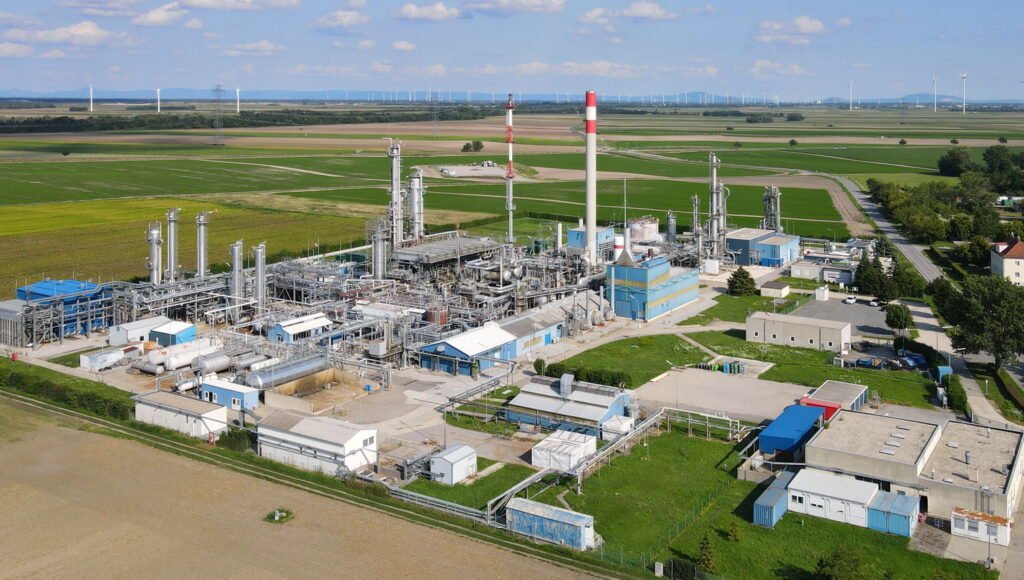
Natural gas is a fossil fuel composed primarily of methane, formed underground over millions of years from the remains of ancient marine organisms subjected to heat and pressure, and widely used for electricity generation, home heating, cooking, and as a feedstock for chemical manufacturing. It is extracted from underground reservoirs, often alongside crude oil deposits, and distributed through extensive underground pipeline networks to finally reach power plants, factories, and homes.
How Natural Gas Is Extracted
Natural gas is extracted by drilling wells into underground reservoirs where the gas is trapped within porous rock formations, sometimes under natural pressure sufficient to drive it to the surface on its own, and sometimes requiring pumping. Conventional gas sits in reservoirs that gas flows through relatively easily, while unconventional gas is trapped in rock formations such as shale that require hydraulic fracturing, a technique that injects high-pressure fluid to create small fractures in the rock, allowing previously trapped gas to flow more freely toward the surface well.
Processing and Transportation
Raw natural gas extracted from the ground typically contains impurities and other hydrocarbons that must be removed through processing before the gas meets the quality standards required for pipeline transport and safe combustion. Once processed, natural gas moves through vast networks of pressurized pipelines connecting production areas to population centers, and where pipelines are impractical, such as across oceans, the gas is cooled into liquefied natural gas, dramatically reducing its volume for transport by specialized tanker ships before being warmed and converted back into gas form at its final destination.
Uses in Electricity and Heating
Natural gas power plants burn gas to drive turbines that generate electricity, and modern combined-cycle plants capture additional energy from the turbine’s hot exhaust to produce even more electricity from the same fuel, achieving notably higher overall fuel efficiency than older single-cycle gas or coal-fired plants. Natural gas also heats a large share of homes and water heaters in many countries through direct combustion, and serves as a key feedstock for producing fertilizer, plastics, and various other chemical products that rely on its hydrocarbon content as a raw material rather than simply as a burned fuel.
Environmental Considerations
Burning natural gas produces fewer carbon dioxide emissions per unit of energy than burning coal, which has made it attractive as a lower-emission alternative during the transition away from coal-fired power in many countries. However, natural gas is still a fossil fuel that contributes to climate change when burned, and methane itself is a far more potent greenhouse gas than carbon dioxide if leaked unburned during extraction, processing, or transport, making leak prevention and ongoing leak detection an increasingly important focus for regulators and the broader gas industry alike.
Role in the Broader Energy Transition
Natural gas power plants can ramp output up and down more quickly than many coal or nuclear plants, making natural gas valuable for backing up variable wind and solar generation when renewable output drops, a role sometimes described as a bridge fuel during the transition toward lower-carbon electricity systems. This flexible backup role has made natural gas a subject of ongoing debate, since some energy planners view it as a necessary transitional technology while others argue continued investment in gas infrastructure risks delaying the shift to zero-carbon alternatives.
History of Natural Gas Use
Natural gas was used in small, localized ways for centuries, including ancient uses for light and heat where it naturally seeped to the surface, but widespread commercial use only became practical after the development of long-distance pipeline technology in the twentieth century, which allowed gas to be transported efficiently from remote production areas to distant cities and industrial centers, fueling its rapid growth into a major global energy source over the following decades.
Price Volatility and Markets
Natural gas prices can swing significantly based on weather, seasonal heating and cooling demand, and shifts in global supply, since gas is harder to store in large quantities than other fuels and regional markets are not always fully connected by pipeline or shipping infrastructure. A severe cold spell, an unexpected supply disruption, or a shift in liquefied natural gas shipping patterns can all cause rapid price changes that affect everything from household heating bills to the cost of fertilizer and other gas-dependent manufactured products.
Hydraulic Fracturing and Its Debates
The widespread adoption of hydraulic fracturing, often called fracking, dramatically increased accessible natural gas reserves by unlocking gas trapped in shale and other low-permeability rock formations that were previously considered uneconomical to develop. This expansion has reshaped global energy markets and reduced some countries’ reliance on gas imports, but fracking has also drawn sustained environmental scrutiny over its water use, wastewater disposal, potential for groundwater contamination, and its role in triggering minor induced seismic activity in some regions, making it one of the more politically contested extraction methods anywhere in the modern energy industry today.
FAQs
Why is natural gas often called a bridge fuel?
Natural gas plants can ramp output up and down quickly, making them useful for backing up variable wind and solar power, which has led some to view gas as a transitional step toward lower-carbon electricity systems.
Why does leaked methane matter if natural gas burns cleaner than coal?
Methane is a far more potent greenhouse gas than carbon dioxide when released unburned, so leaks during extraction, processing, or transport can offset some of natural gas’s climate advantage over coal when burned cleanly.
Quick checkWhy is natural gas often called a bridge fuel?Show answer
Natural gas plants can ramp output up and down quickly, making them useful for backing up variable wind and solar power during the transition to lower-carbon electricity.
Editorially reviewed by Specialty Digest Editorial TeamLast reviewed November 2, 2026Researched and drafted with AI assistanceReport an issue