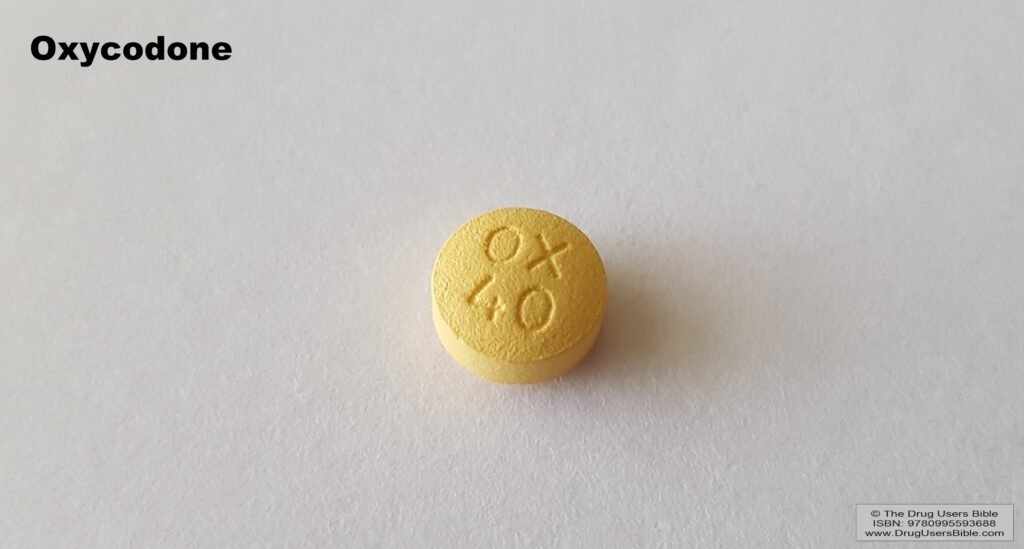
Opioids are a class of drugs that act on specific receptors in the brain, spinal cord, and other parts of the body to reduce the perception of pain, encompassing naturally derived substances from the opium poppy, semi-synthetic derivatives, and fully synthetic compounds designed to produce similar effects. While opioids remain among the most effective medications available for managing severe acute pain, such as recovering from major surgery or coping with a serious traumatic injury, their use carries significant risks, including tolerance, physical dependence, and the real potential for a serious, sometimes fatal, use disorder to gradually develop over time.
How Opioids Work
Opioids work by binding to specific opioid receptors concentrated in the brain and spinal cord, mimicking the body’s own naturally occurring pain-relieving chemicals and reducing the transmission and perception of pain signals. Beyond pain relief, opioid receptor activation also commonly produces feelings of euphoria or relaxation, which contributes significantly to their underlying potential for misuse over time, alongside other effects including slowed breathing, constipation, nausea, and drowsiness that occur to varying degrees with different opioid medications and different individual patients.
Types of Opioid Medications
Commonly prescribed opioid medications include morphine, oxycodone, hydrocodone, and fentanyl, which vary considerably in potency, with fentanyl being substantially more potent by weight than morphine, making even very small, seemingly minor quantities potentially dangerous if dosing is miscalculated or the drug is taken entirely without medical supervision. Illicitly manufactured fentanyl and related synthetic opioids have become a major driver of fatal overdoses in many countries in recent years, particularly when mixed, often entirely unknowingly to the user, into other unrelated illicit drugs.
Tolerance, Dependence, and Addiction
With repeated use, the body often develops tolerance, requiring increasingly larger doses to achieve the same pain-relieving effect, and physical dependence, in which the body adapts to the drug’s presence and experiences withdrawal symptoms if the drug is stopped abruptly. These physiological adaptations are distinct from opioid use disorder, a diagnosable condition involving compulsive use despite harmful consequences, though tolerance and dependence can occur even in patients taking opioids exactly as prescribed and do not, by themselves, indicate the presence of addiction.
Overdose and Naloxone
Opioid overdose occurs when the drug suppresses the brain’s respiratory drive to a dangerous degree, causing breathing to slow or stop entirely, which can quickly become fatal without prompt medical intervention. Naloxone, a medication that rapidly reverses opioid effects by displacing opioids from their receptors, can restore normal breathing within minutes when administered during an overdose, and its increasingly widespread availability to the public in many countries has been widely credited with preventing a substantial number of otherwise fatal overdose deaths.
Managing Risk in Clinical Practice
Healthcare providers balance the genuine benefits of opioids for appropriate pain management against their risks through strategies including prescribing the lowest effective dose for the shortest necessary duration, screening individual patients for known personal risk factors, using prescription monitoring programs to track opioid prescriptions across multiple different healthcare providers and pharmacies, and carefully considering non-opioid pain management approaches whenever they are clinically appropriate for a given patient. These practices have evolved considerably over the past two decades as understanding of opioid risks, including how quickly dependence can develop even with appropriate medical use, has grown substantially among clinicians, researchers, and regulators alike.
The Opioid Crisis
Several countries, most notably the United States, have experienced a severe and sustained public health crisis driven by opioid-related overdose deaths, which escalated considerably beginning in the 1990s as prescribing of opioid pain medications increased substantially, partly influenced by aggressive marketing that understated their addiction risks. As prescription opioid misuse became more tightly regulated and prescribing practices grew more cautious, many people who had already developed dependence shifted toward heroin and, increasingly, illicitly manufactured fentanyl, which has driven overdose deaths to levels far beyond those seen during the earlier, primarily prescription-driven phase of the crisis.
Public health responses have expanded considerably in response, including broader naloxone distribution to the public and first responders, medication-assisted treatment programs that use medications such as buprenorphine or methadone to help manage opioid use disorder over the long term and reduce the risk of relapse and fatal overdose, and harm reduction approaches, including supervised consumption sites and fentanyl test strips, designed specifically to reduce overdose deaths among people who continue to use opioids even while they are not yet ready or able to stop entirely.
Non-Opioid Pain Management
Growing recognition of opioid risks has driven greater interest in non-opioid approaches to pain management, including non-opioid medications such as certain anti-inflammatory drugs, physical therapy, nerve blocks, and various non-pharmacological approaches, which are increasingly incorporated earlier in pain treatment plans rather than being reserved only for later cases where opioids have already failed or proven clinically unsuitable. For many types of pain, combining several complementary approaches can provide meaningful relief while reducing overall reliance on opioid medications and the various risks that accompany long-term opioid use.
FAQs
What is the difference between physical dependence and opioid use disorder?
Physical dependence, in which the body adapts to a drug and experiences withdrawal if it is stopped, can occur even in patients taking opioids exactly as prescribed, while opioid use disorder is a diagnosable condition involving compulsive use despite harmful consequences.
How does naloxone reverse an opioid overdose?
Naloxone works by rapidly displacing opioids from their receptors in the brain, which can restore normal breathing within minutes when administered during an overdose.
In the news
Quick checkWhat is the difference between physical dependence and opioid use disorder?Show answer
Physical dependence, in which the body adapts to a drug and experiences withdrawal if it is stopped, can occur even in patients taking opioids exactly as prescribed, while opioid use disorder is a diagnosable condition involving compulsive use despite harmful consequences.
Editorially reviewed by Specialty Digest Editorial TeamLast reviewed November 2, 2026Researched and drafted with AI assistanceReport an issue