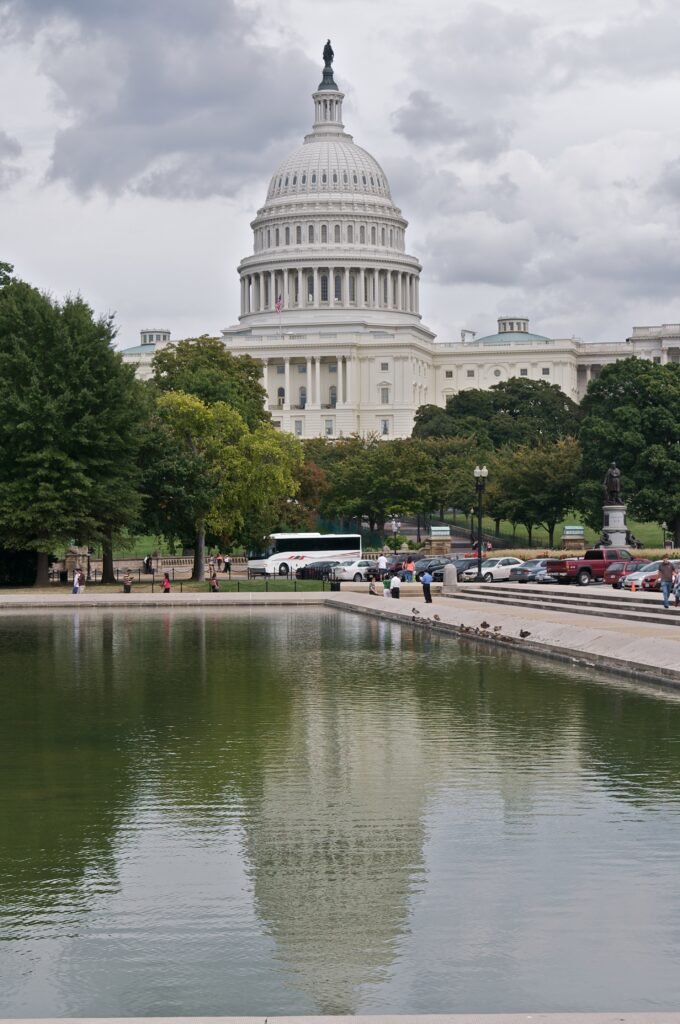
Public affairs connects an organization internal priorities to the external world of government policy, regulation, and civic life.
Tracking the Policy Landscape
A public affairs team typically monitors pending legislation, regulatory proposals, and local government decisions that could affect the organization, providing early warning that allows leadership to prepare a response well before a policy change actually takes effect.
Engaging Beyond Government Offices
Effective public affairs work extends past formal government contacts to include community organizations, local media, and civic groups, recognizing that policymakers themselves often respond to visible public sentiment as much as to direct lobbying efforts.
Tracking Legislative and Regulatory Activity
A public affairs team typically maintains a structured watch list of pending bills, proposed regulations, and local ordinances relevant to the organization industry, ranking each by likelihood of passage and potential impact so leadership can prioritize attention toward the issues most likely to actually affect operations rather than reacting to every proposal with equal urgency.
Building Relationships With Officials
Effective public affairs work depends on relationships with elected officials and regulatory staff built over time, well before any specific policy fight arises, since an organization with no prior relationship starting from nothing during an urgent legislative battle is at a real disadvantage compared with one that has engaged consistently all along.
Coalition Building
Organizations facing a shared policy concern frequently join with others in the same industry or cause to form a coalition, recognizing that a unified voice representing many organizations typically carries more weight with policymakers than any single entity advocating alone, even a large and influential one.
Economic Considerations
Regulatory outcomes can carry enormous direct financial consequences for an affected industry, which is why organizations often justify significant public affairs budgets by pointing to the potential cost of an unfavorable regulation that a well-timed and well-informed engagement effort might have helped prevent or soften.
Looking Ahead
As policy debates increasingly play out across social media and online platforms rather than solely through traditional lobbying channels, public affairs teams are expanding their skill set to include digital advocacy and grassroots mobilization alongside the more traditional practice of direct engagement with officials.
Related Specialties
Public affairs connects closely with stakeholder engagement, issues management, and strategic messaging, since engaging policymakers effectively requires the same careful audience mapping, early issue detection, and consistent core message that these related specialties also depend on.
An energy company facing a proposed regulation affecting its operations, for example, would typically combine public affairs tracking of the legislative timeline with stakeholder engagement reaching community groups who might be affected, and a strategic messaging framework ensuring that testimony before lawmakers, public statements, and employee communication about the same issue all remain consistent.
International Perspectives
Political systems differ enormously in how accessible officials are to outside engagement, with some democracies offering extensive formal comment periods and others concentrating decision-making among a small group with far less structured public input, meaning a public affairs strategy effective in one country political system may require a completely different approach in another.
Practical Guidance for Teams
A public affairs professional who builds relationships with career civil service staff, not only elected officials who may leave office after a single term, tends to maintain institutional influence that persists through political transitions far better than one who relies solely on relationships with the current officeholders.
A public affairs team that shares credible, well-documented research with policymakers, rather than relying purely on persuasive argument, tends to build a more durable reputation for trustworthiness that pays dividends across many future policy conversations rather than just the immediate issue at hand.
Transparency about who an organization represents and what it is advocating for has become an increasingly important expectation in public affairs work, as audiences and regulators alike grow more skeptical of advocacy efforts that appear to obscure their true sponsor or underlying interest.
A public affairs professional who shows up consistently at community and stakeholder events, not only when a specific vote is approaching, earns a kind of standing credibility that a purely transactional, deadline-driven approach rarely manages to build.
A policy position supported with concrete local examples tends to resonate with officials more than an abstract argument alone, since representatives often respond strongly to how a given issue plays out for their own specific constituents.
A public affairs calendar aligned with the legislative cycle, rather than organized purely around internal organizational timelines, helps ensure that engagement actually reaches decision makers while a given issue is still genuinely open for input.
A public affairs professional willing to deliver an unwelcome assessment internally, rather than only reporting optimistic updates to leadership, tends to maintain more credibility and influence over the long run.
A long-term engagement log tracking every meeting and commitment with a given official helps a public affairs team maintain continuity even as individual staff members move on to other roles over time.
A public affairs effort that clearly discloses its funding and sponsorship tends to retain credibility with both officials and the public far longer than one that later appears to have obscured its true backers.
A public affairs plan that identifies which specific committee or office actually holds decision-making power on a given issue focuses limited engagement time where it can realistically have the most impact.
A public affairs professional who follows up promptly after a meeting with promised information, rather than letting it slip, builds the kind of reliability that officials remember when a future issue arises.
A short internal memo summarizing each significant legislative development, circulated promptly to affected business units, keeps the wider organization informed without requiring every team to track policy news independently.
Key facts
- Array
Quick checkHow does public affairs typically differ from lobbying alone?Show answer
Public affairs includes direct engagement with policymakers like lobbying does, but also places significant emphasis on broader public communication and community relationships beyond government contacts alone.
Sources
- Array
Editorially reviewed by Specialty Digest Editorial TeamLast reviewed November 3, 2026Researched and drafted with AI assistanceReport an issue