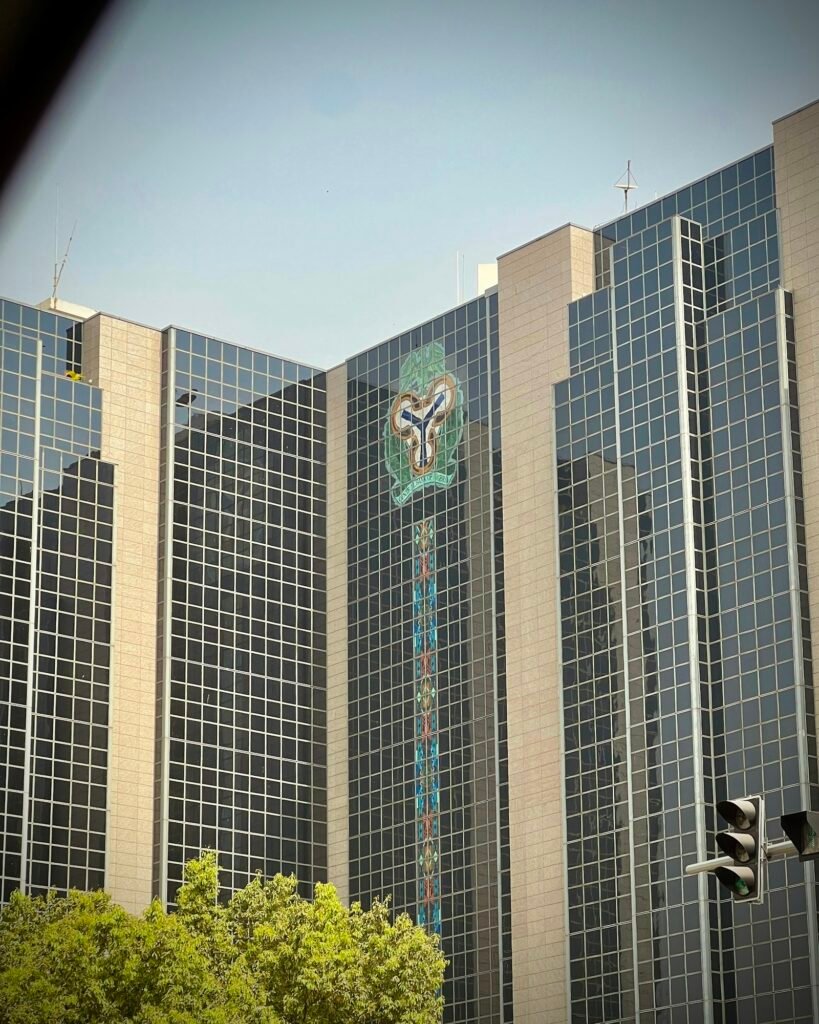
In simple terms A central bank is the public institution in charge of a country’s money. It usually issues banknotes, steers interest rates and works to keep prices stable. Some serve a group of countries: the European Central Bank manages the euro for all the countries that share it. It is not a bank for
Central bank Read More »
A central bank is a public institution that manages a country's currency and money supply, sets key interest rates and oversees banking stability.
In simple terms A consumer price index, or CPI, measures how the prices households pay change over time. It follows a basket of goods and services that a typical household buys. The index number itself means little. What matters is how far it moves. A CPI that rises 3 percent over a year means the
Consumer price index Read More »
A consumer price index tracks how the prices households pay for a fixed basket of goods and services change over time.
In simple terms Core inflation is the headline inflation rate with the jumpiest prices taken out. In most countries that means food and energy. Those prices swing on weather, harvests and oil markets. Removing them leaves a steadier signal about where inflation is actually heading. How it works Statisticians use two broad methods, and they
Core inflation Read More »
Core inflation is the inflation rate left after stripping out the most volatile prices, usually food and energy, to show the underlying trend.
In simple terms Economics is the social science that studies how individuals, businesses, and societies choose to use scarce resources, and what happens as a result of those choices. [1] It starts from a simple observation: resources, including time and money, are limited, while people’s wants are effectively unlimited, so choices always involve trade-offs. How
Economics Read More »
Economics is the social science that studies how individuals, businesses, and societies choose to use scarce resources, and the consequences of those choices.
In simple terms An exchange rate is the price of one currency measured in another. It says what a euro, a rand or a rupee is worth abroad. Every rate works in both directions. If one euro buys 170 yen, one yen buys roughly 0.0059 euros. That is the same rate, read the other way
Exchange rate Read More »
An exchange rate is the price of one currency in terms of another, for example how many Japanese yen one euro will buy.
In simple terms The Federal Open Market Committee, or FOMC, is the monetary policymaking body of the Federal Reserve System. It sets the target for the federal funds rate, the rate US banks charge each other overnight. That single decision ripples outward. It shapes what savers earn and what borrowers pay, in the United States
Federal Open Market Committee Read More »
The Federal Open Market Committee is the group inside the US Federal Reserve that sets the country's key interest rate.
In simple terms Fiscal policy is what a government does with its budget: how much it spends, how much it taxes, and how much it borrows to cover the difference. The IMF puts the purpose plainly. Governments use those powers to promote strong and sustainable growth and to reduce poverty. How it works There are
Fiscal policy Read More »
Fiscal policy is a government's use of spending and taxation to steer the economy, as distinct from a central bank's interest rate decisions.
Gross domestic product, commonly abbreviated GDP, is the total monetary value of all finished goods and services produced within a country’s borders over a specific period, usually a quarter or a year. It is the single most widely cited measure of the size and health of a national economy. Origins of the measure Economist Simon
Gross Domestic Product Read More »
The total monetary value of all finished goods and services produced within a country's borders over a specific period.
In simple terms Inflation targeting means a central bank names a number for inflation, says it publicly, and sets interest rates to reach it. The number is the anchor. Households, firms and markets are meant to plan around it rather than guess where prices are heading. How it works The IMF sets out four elements:
Inflation targeting Read More »
Inflation targeting is a framework in which a central bank commits publicly to a numerical inflation goal and is judged against it.
In simple terms Monetary policy is how a central bank steers an economy by changing the cost of money. Its main lever is a short-term interest rate. Move that rate and the cost of mortgages, business loans and savings tends to move with it. How it works A committee meets on a fixed schedule and
Monetary policy Read More »
Monetary policy is the action a central bank takes to influence how much money is in an economy and what it costs to borrow.