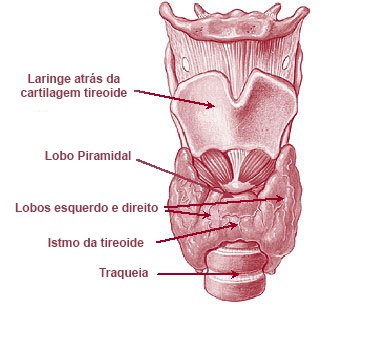
Thyroid hormone refers to the hormones produced by the thyroid gland, a butterfly-shaped organ in the neck, that regulate metabolic rate and influence nearly every cell and organ system in the body. The thyroid produces primarily thyroxine, commonly called T4, and a smaller amount of the more biologically active triiodothyronine, called T3, and the body converts much of the T4 it produces into T3 in peripheral tissues like the liver and kidneys as needed.
Production and Regulation
Thyroid hormone production is controlled through a feedback system called the hypothalamic-pituitary-thyroid axis, in which the hypothalamus releases thyrotropin-releasing hormone, prompting the pituitary gland to release thyroid-stimulating hormone, which in turn signals the thyroid gland to produce and release T4 and T3. When circulating thyroid hormone levels rise sufficiently, this feedback loop signals the hypothalamus and pituitary to reduce their respective hormone output, and when thyroid hormone levels fall, the system ramps up signaling to stimulate more production, maintaining relatively stable thyroid hormone levels under normal circumstances.
Metabolic Effects
Thyroid hormone influences basal metabolic rate, the rate at which the body uses energy at rest, by affecting how quickly cells throughout the body consume oxygen and generate heat, which is why both significantly low and significantly high thyroid hormone levels can produce substantial, noticeable changes in weight, energy level, and body temperature regulation. Beyond metabolic rate, thyroid hormone also influences heart rate and cardiac output, digestive tract motility, mood and cognitive function, and, particularly during fetal development and early childhood, is essential for normal brain development and growth.
Hypothyroidism
Hypothyroidism occurs when the thyroid gland produces insufficient thyroid hormone, most commonly in many countries due to an autoimmune condition called Hashimoto’s thyroiditis, in which the immune system gradually attacks and damages thyroid tissue, impairing its hormone-producing capacity over time. Common symptoms include fatigue, weight gain, cold intolerance, dry skin, and depression, though symptoms can be subtle, especially in earlier or milder stages, which is part of why blood testing is typically needed to confirm a diagnosis rather than relying on symptoms alone.
Hyperthyroidism
Hyperthyroidism occurs when the thyroid gland produces excessive thyroid hormone, most commonly caused by Graves’ disease, another autoimmune condition in which antibodies stimulate the thyroid to overproduce hormone rather than attack and damage it. Symptoms typically include weight loss despite normal or increased appetite, rapid heart rate, anxiety, tremor, and heat intolerance, essentially representing an acceleration of the body’s metabolic processes opposite to the slowing seen in hypothyroidism.
Diagnosis and Treatment
Thyroid function is typically assessed through blood tests measuring thyroid-stimulating hormone along with free T4 and sometimes free T3, with thyroid-stimulating hormone often serving as the most sensitive initial screening measure, since it tends to shift meaningfully even before free hormone levels move clearly outside the normal range, which is why it is typically the first test ordered when thyroid dysfunction is suspected. Hypothyroidism is generally treated with daily synthetic thyroid hormone replacement medication, while hyperthyroidism treatment options include antithyroid medications that reduce hormone production, radioactive iodine therapy that selectively destroys overactive thyroid tissue, and in some cases surgical removal of part or all of the thyroid gland.
Thyroid Nodules and Cancer
Thyroid nodules, lumps that form within the thyroid gland, are quite common and are usually discovered incidentally during a physical exam or imaging performed for an unrelated reason, with the large majority turning out to be benign upon further evaluation. When a nodule is identified, clinicians typically assess it with ultrasound imaging to evaluate its size and characteristics, and sometimes a fine-needle biopsy to directly sample cells from the nodule, since certain ultrasound features and biopsy results help distinguish the small minority of nodules that are cancerous from the much larger number that are not.
Thyroid cancer, when it does occur, is often highly treatable compared to many other cancers, particularly the most common subtypes, which tend to grow slowly and respond well to surgical removal of the thyroid gland combined, in many cases, with radioactive iodine treatment to eliminate any remaining thyroid tissue, including microscopic cancer cells that surgery alone might not fully remove. Following treatment, patients typically require lifelong thyroid hormone replacement medication, since removing the thyroid gland eliminates the body’s own source of thyroid hormone production entirely.
Iodine, an essential mineral obtained through diet, is a critical raw material the thyroid gland needs to produce thyroid hormone, and historically, iodine deficiency was a leading cause of an enlarged thyroid gland, called a goiter, along with impaired thyroid function in regions where dietary iodine intake was naturally low. Iodized salt programs, introduced in many countries during the twentieth century specifically to address this widespread deficiency, have dramatically reduced iodine-deficiency-related thyroid problems in those populations, though iodine deficiency remains a public health concern in some regions of the world that have not implemented comparable fortification programs, and pregnant women in particular are often advised to ensure adequate iodine intake given the mineral’s importance for fetal brain development.
FAQs
What’s the difference between T4 and T3 thyroid hormone?
T4 is the form produced in larger quantities by the thyroid gland, while T3 is the more biologically active form, much of which the body converts from T4 in tissues like the liver and kidneys as needed.
Why do hypothyroidism and hyperthyroidism produce roughly opposite symptoms?
Thyroid hormone controls metabolic rate, so too little slows the body’s processes, causing fatigue and weight gain, while too much accelerates them, causing weight loss and a rapid heart rate.
Quick checkWhy does removing the thyroid gland require lifelong hormone replacement medication?Show answer
The thyroid gland is the body's own source of thyroid hormone production, so removing it eliminates that source entirely, requiring synthetic replacement for life.
Editorially reviewed by Specialty Digest Editorial TeamLast reviewed November 2, 2026Researched and drafted with AI assistanceReport an issue