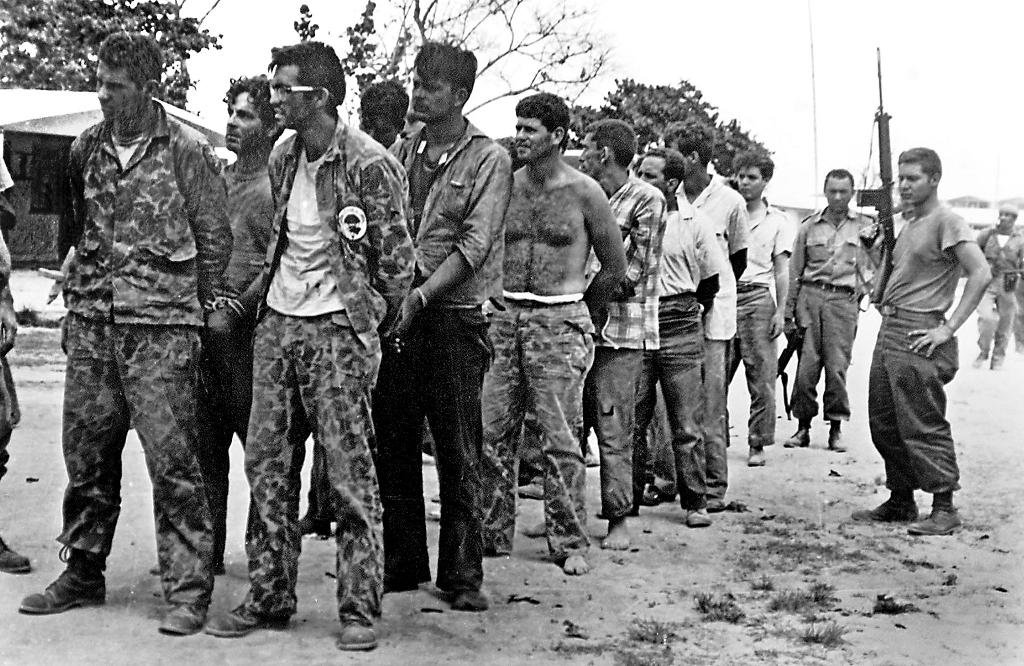
Overview
Covert operations are activities a government undertakes to shape events in another country while denying its own involvement. The defining feature is not secrecy about the act itself, which may become publicly visible, but secrecy about who ordered and funded it, allowing the sponsoring government plausible deniability.
Forms of Covert Action
Covert action takes many forms beyond the dramatic paramilitary missions often depicted in fiction. Propaganda campaigns can quietly amplify friendly voices in a foreign media landscape. Political support might flow to a favored party or candidate through hidden channels. Economic measures can destabilize a target governments finances without a visible fingerprint. In the United States, such operations typically require a presidential finding and congressional notification, a legal framework built after intelligence oversight scandals of the 1970s.
Legal Oversight
Because covert operations by definition deceive the public about who is responsible for an action, democracies have developed specific legal mechanisms to prevent abuse. In the United States, a covert action generally requires a written presidential finding justifying the operation and timely notification to designated congressional committees, a framework established after investigations in the 1970s revealed operations that had proceeded for years without meaningful oversight.
Risks and Blowback
Covert operations carry a distinct risk beyond simple failure: exposure. When a sponsoring governments role becomes public, whether through a leak, a captured operative, or a target governments own investigation, the resulting embarrassment can damage diplomatic relationships far more than if the activity had been openly acknowledged from the start. Some covert operations have also produced long-term blowback, where short-term tactical gains created political resentment or instability that complicated relations with the affected country for decades afterward.
Contemporary Examples
Modern covert action increasingly includes cyber operations alongside traditional paramilitary and political activity, allowing a government to disrupt an adversarys infrastructure or spread disinformation while maintaining the same plausible deniability that has always defined the category. This expansion has raised new legal questions about how older oversight frameworks, designed with physical operations in mind, apply to purely digital covert activity.
Historical Evolution
Covert action as an organized government practice expanded significantly during the Cold War, when both major blocs sought ways to compete for influence in the developing world without triggering direct military confrontation. This period produced a wide repertoire of techniques, from funding friendly political movements to supporting insurgencies against rival-aligned governments, that later became templates referenced, adapted, or explicitly rejected by subsequent generations of policymakers.
Decision-Making Process
Approving a covert operation typically involves weighing potential strategic benefits against the diplomatic and reputational costs of possible exposure. Senior officials must consider not only whether an operation might succeed but also how its discovery would be explained, since a botched covert operation that becomes public can generate far more damage to a nations standing than an openly acknowledged policy failure would have caused.
Covert Action and Public Opinion
When covert operations eventually become known, whether through declassification decades later or more immediate leaks, public reaction often shapes how governments approach future covert action. Revelations about past operations have periodically triggered formal investigations, new legal restrictions, and lasting institutional caution, demonstrating that the political costs of covert action extend well beyond the immediate operation itself and can influence policy choices for a generation afterward.
Covert Action Versus Overt Alternatives
Governments choosing between covert and overt approaches to a foreign policy problem must weigh deniability against legitimacy. An overt action, such as public economic sanctions or an announced military deployment, carries clear accountability and international legal standing but forecloses plausible deniability, while a covert alternative preserves deniability at the cost of legitimacy if exposed, a tradeoff that shapes much of the internal debate preceding any decision to proceed covertly.
Interagency Coordination
Executing a covert operation typically requires coordination across intelligence, diplomatic, and sometimes military channels, each of which may have different risk tolerances and competing priorities for the same relationship with a foreign government. This interagency friction can slow approval and execution considerably, even when the underlying operation itself is relatively straightforward from a purely technical standpoint.
Ethical Debates
Covert action raises persistent ethical questions beyond its legal framework, since the secrecy that defines the category also limits democratic accountability for actions taken in a nations name, prompting ongoing debate among scholars and policymakers about where legitimate statecraft ends and unacceptable interference in another nations affairs begins, a line that different observers continue to draw quite differently depending on the case at hand.
Covert Action in the Information Age
Instant global communication and widespread smartphone use have made sustained secrecy around any sizable operation considerably harder to maintain than in earlier decades, forcing planners to assume a much shorter window before exposure becomes likely and to weigh that shortened timeline heavily when deciding whether a proposed covert operation remains worth the risk.
Covert operations will likely remain a persistent tool of statecraft precisely because the alternative, open confrontation or complete inaction, often satisfies policymakers even less, even as technology continues narrowing the window of deniability that makes the covert option attractive in the first place.
Some retired intelligence officials have argued publicly that overreliance on covert tools can substitute for harder, slower diplomatic work, a critique that resurfaces whenever a covert operation produces short-term results but leaves the underlying political problem it was meant to address largely unresolved.
Legal scholars continue to debate how international law should treat covert actions that cross into another nations territory without consent, since existing frameworks built around open conflict between states only partially address an activity defined specifically by its concealment and ambiguity.
Key facts
- Array
Quick checkHow does a covert operation differ from a clandestine one?Show answer
A covert operation hides who is behind it, while a clandestine operation hides that the activity is happening at all.
Sources
- Array
Editorially reviewed by Specialty Digest Editorial TeamLast reviewed November 4, 2026Researched and drafted with AI assistanceReport an issue