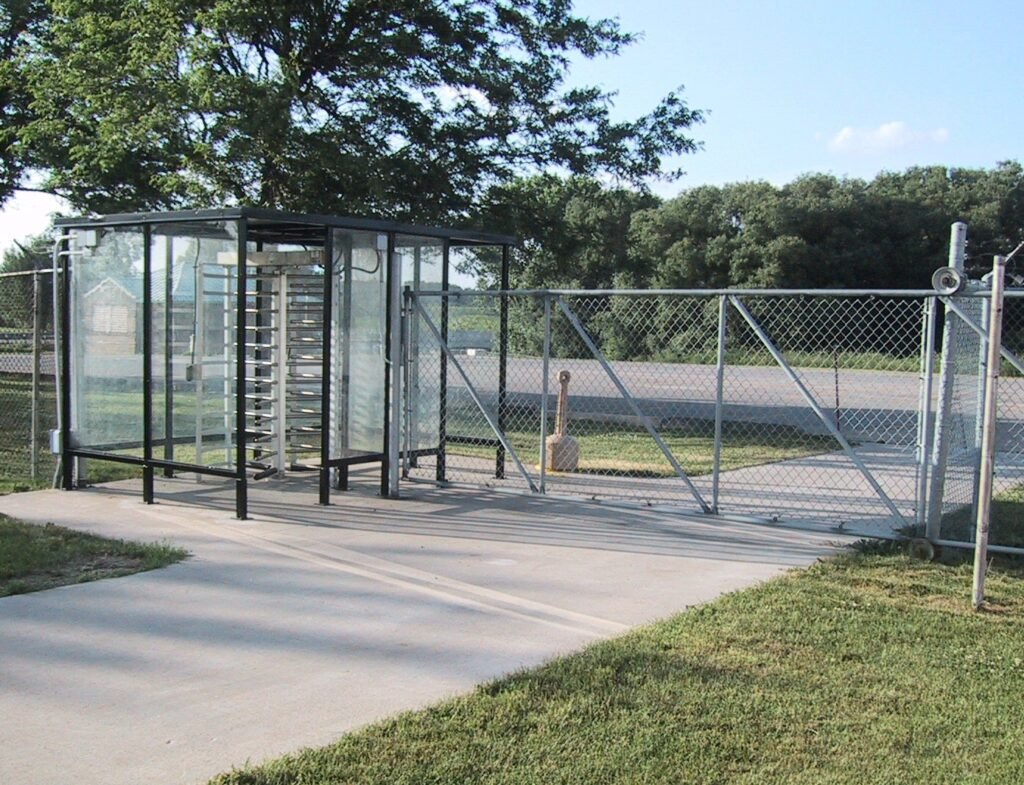
Overview Access control systems govern who is permitted to enter a building or restricted area and under what circumstances, replacing or supplementing a human guard checking identification at a door. Modern systems typically combine a credential, such as a card or code, with a reader and a centralized management platform that can grant, revoke, or
Access Control Systems Read More »
Access control systems are electronic or physical mechanisms that regulate who may enter a facility or restricted area and when.
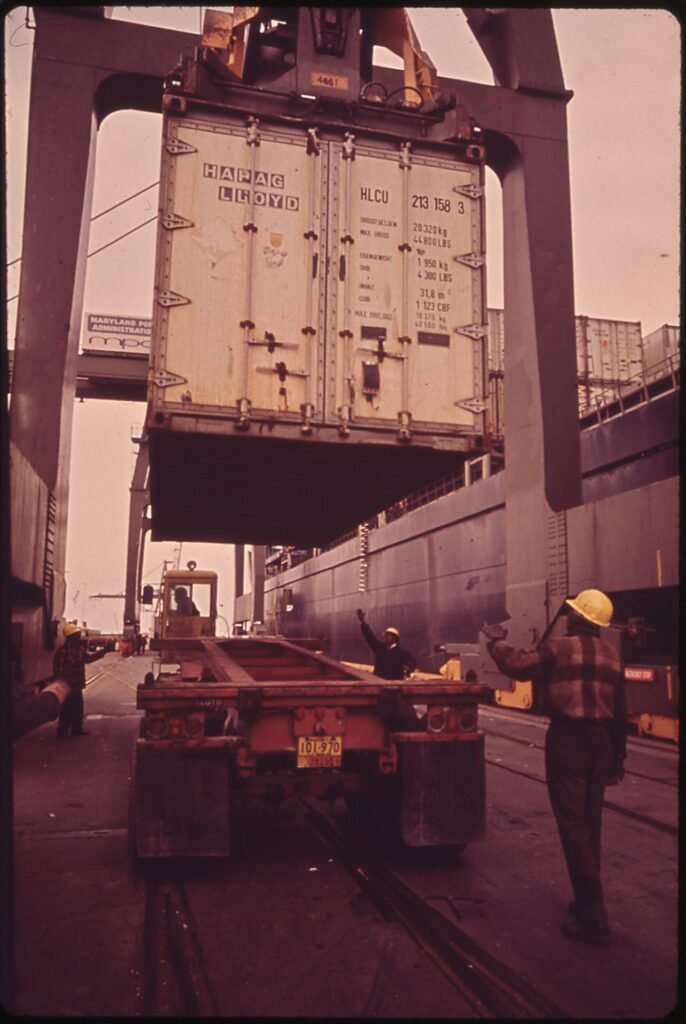
Overview Asset protection encompasses the strategies an organization uses to prevent the loss, theft, or damage of its physical and intellectual property, a term especially common within the retail industry but applicable across many sectors. Modern asset protection programs typically address threats from both outside the organization, such as shoplifting or burglary, and from within,
Asset Protection Read More »
Asset protection is the set of strategies and practices used to prevent loss, theft, or damage to an organizations physical and intellectual property.
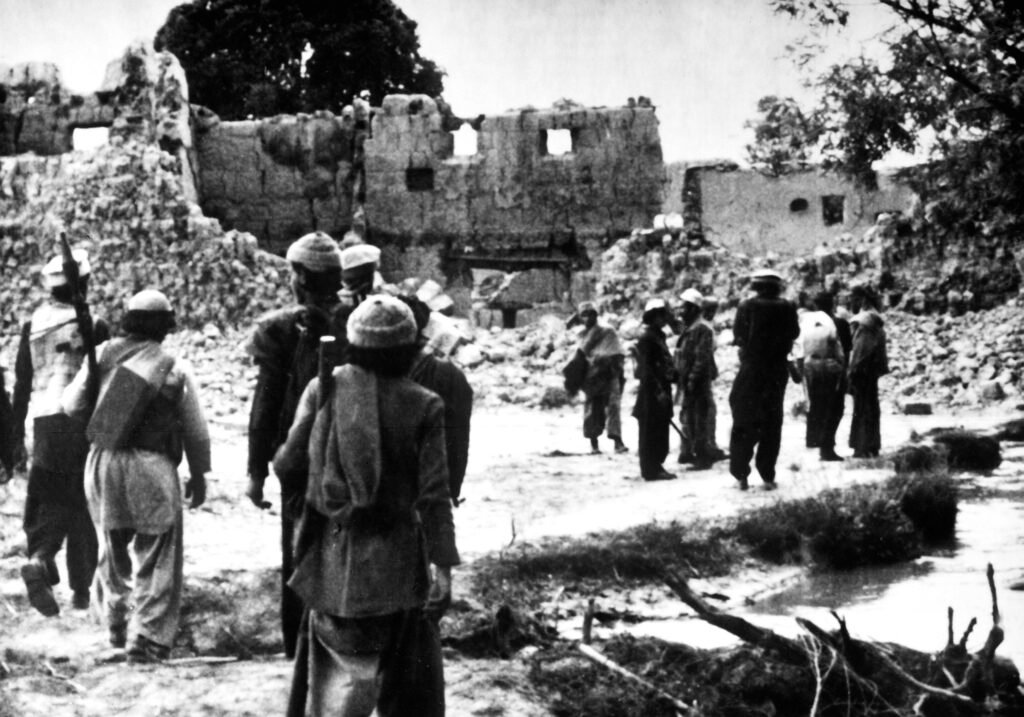
Overview Asymmetric warfare describes conflict between parties with substantially unequal military resources, technology, or organizational strength. Rather than meeting a stronger opponent in open conventional battle, the weaker side adopts tactics designed to avoid its disadvantages while exploiting the stronger sides vulnerabilities. Common tactics Typical asymmetric approaches include guerrilla warfare, in which small, mobile units
Asymmetric Warfare Read More »
Asymmetric warfare is conflict between opponents of significantly different military strength or capability, in which the weaker side avoids direct confrontation and instead uses unconventional tactics to offset its disadvantages.
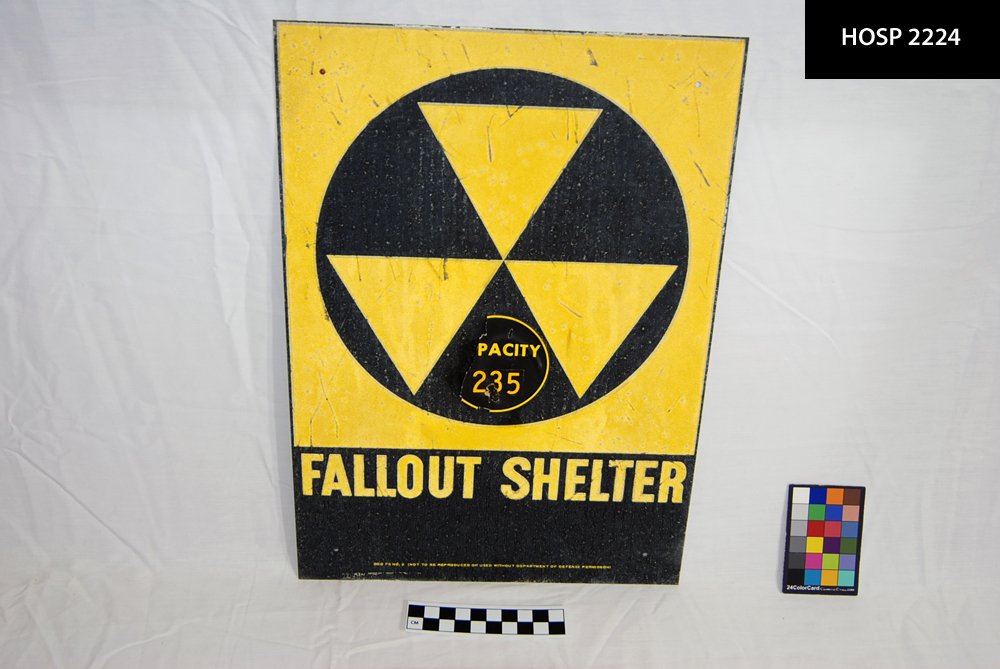
Origins and Cold War Development Civil defense as an organized government function expanded dramatically during the Cold War, when the threat of nuclear attack prompted many nations to build public fallout shelters, establish air raid warning sirens, and conduct civilian preparedness drills. In the United States, programs taught schoolchildren duck and cover procedures, while government
Civil Defense Read More »
Civil defense refers to organized government and community efforts to protect civilian populations from the dangers of war, natural disasters, and other large scale emergencies.
Overview Combined arms warfare refers to the deliberate integration of different types of military forces and equipment on the battlefield so that their respective strengths offset each others weaknesses. Rather than committing infantry, tanks, artillery, or aircraft in isolation, commanders coordinate these elements so they act together toward a shared objective. Origins and development Although
Combined Arms Warfare Read More »
Combined arms warfare is the coordinated use of different military branches and weapon systems, such as infantry, armor, artillery, and air power, so that each compensates for the weaknesses of the others.
Overview Command and control describes both the authority a military commander holds over assigned forces and the practical systems, procedures, and personnel used to exercise that authority. It covers how orders are issued, how information flows up and down a chain of command, and how decisions are made under the pressure and uncertainty of military
Command and Control Read More »
Command and control refers to the exercise of authority and direction by a designated commander over assigned forces, including the systems, procedures, and personnel used to plan, direct, and coordinate military operations.
Overview Community policing is a philosophy and strategy of law enforcement that emphasizes building sustained partnerships between police officers and the communities they serve. Rather than focusing narrowly on responding to individual crimes after they occur, community policing seeks to identify and address the underlying conditions that contribute to crime and disorder in a given
Community Policing Read More »
Community policing is a strategy that emphasizes building collaborative relationships between police and the neighborhoods they serve to proactively identify and address the causes of crime and disorder.
Core Concept and Purpose Continuity of government planning addresses one of the most sensitive questions a nation can face, namely how constitutional government and essential functions continue if a catastrophic event kills or incapacitates senior leaders or destroys the facilities where government normally operates. These plans establish clear lines of succession beyond the standard constitutional
Continuity of Government Read More »
Continuity of government refers to the planning and procedures that ensure essential government functions and leadership succession continue during and after a catastrophic event.
Overview Corporate security is the internal function within a company responsible for protecting its people, facilities, information, and reputation from threats ranging from workplace violence to corporate espionage to natural disaster. Larger organizations typically centralize this responsibility under a senior executive, often titled Chief Security Officer, who coordinates security policy across what might otherwise be
Corporate Security Read More »
Corporate security is the organizational function responsible for protecting a companys people, physical assets, information, and reputation from a wide range of threats.
Overview Counterinsurgency describes the combined military, political, and economic efforts a government undertakes to defeat an armed insurgency and reestablish control over a population and territory. Unlike conventional warfare, which centers on defeating an opposing army, counterinsurgency treats the loyalty and cooperation of the civilian population as the central objective. Core principles Classic counterinsurgency theory
Counterinsurgency Read More »
Counterinsurgency refers to the military, political, and economic measures a government takes to defeat an armed insurgency and restore legitimate authority over a contested population.