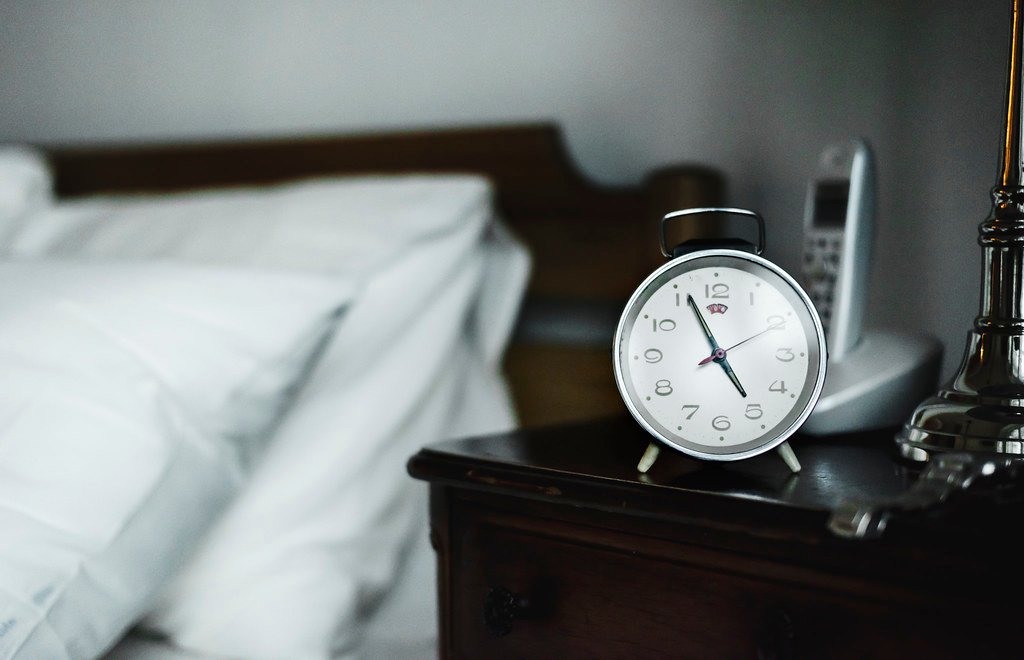
It is one of the most searched health questions there is, and the short answer is simpler than the wellness industry makes it sound: most adults need at least seven hours of sleep a night. Not eight exactly, not a personal biohacked number — seven or more, according to both the U.S. Centers for Disease Control and Prevention and the National Sleep Foundation’s expert consensus panel.
The Real Number, by Age
The CDC’s guidance breaks down by life stage. Adults aged 18 to 60 need seven or more hours a night. Adults 61 to 64 should aim for seven to nine hours, and adults 65 and older typically need seven to eight hours. Teenagers need more — eight to ten hours — because sleep is still doing heavy lifting for growth and brain development at that age. Those numbers are the floor for adults, not a ceiling; plenty of people function best closer to eight or nine.
Why Needs Vary From Person to Person
Age is the biggest factor, but it is not the only one. Overall health, physical activity levels, pregnancy, illness and even the demands of a safety-sensitive job can push someone’s real need higher than the baseline recommendation. The Sleep Foundation’s panel frames the numbers as a range for a reason: they are population guidance, not a personal prescription. The better test is how you function on that amount of sleep, not just how many hours the clock shows.
What Happens When You Fall Short
Consistently getting less than seven hours is linked to measurably worse outcomes, according to the CDC: a higher risk of type 2 diabetes, heart disease, high blood pressure and stroke, along with weakened immune function, weight gain and a higher chance of being involved in a motor vehicle crash. Sleep loss also blunts attention and memory in ways people routinely underestimate in themselves — a well-documented effect that shows up long before anyone feels dramatically tired.
Three Signs You Are Not Getting Enough
You do not need a sleep lab to get a rough read on your own sleep debt. Struggling to feel alert shortly after waking, nodding off or feeling noticeably sleepy during the day, and having a harder time concentrating than usual are the three signals sleep researchers point to most often. Any one of them showing up regularly is worth taking as a cue to protect more time for sleep, not push through it.
Quantity Is Only Half the Equation
Hours in bed are not the same as hours of restorative sleep. Frequent waking, a disrupted schedule or a poor sleep environment can leave someone technically hitting seven hours while still feeling the effects of sleep loss. The CDC is explicit on this point: consistent, uninterrupted sleep matters as much as the raw number on the clock. Getting the number right is the starting point — protecting the quality of those hours is what actually delivers the benefit.