Humanity Takes Up Permanent Residence in Space
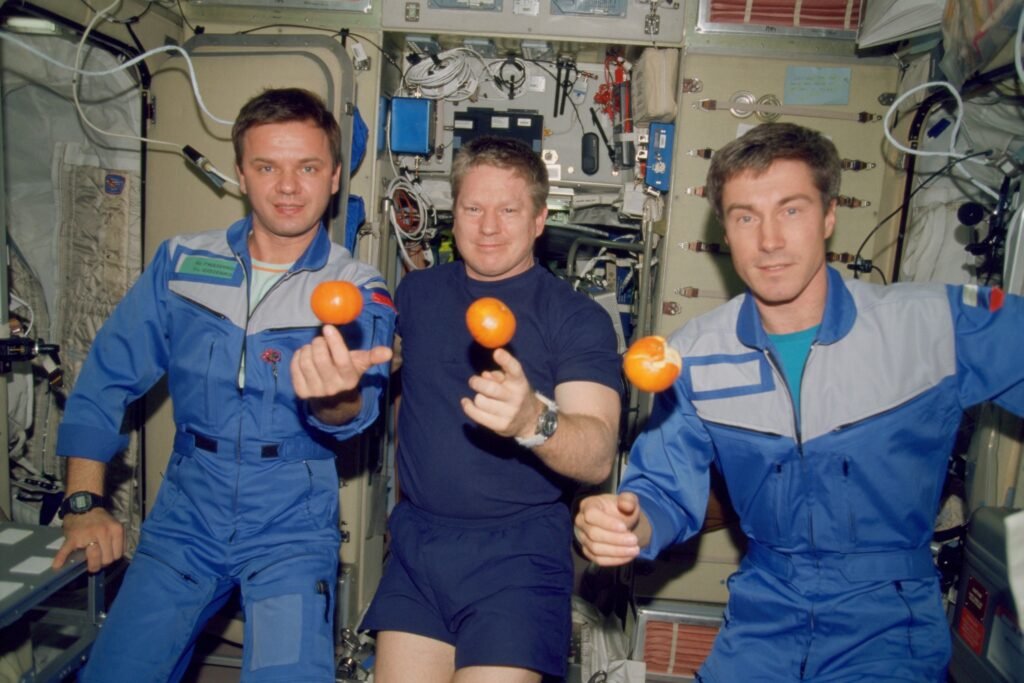
On November 2, 2000, astronaut William Shepherd and cosmonauts Yuri Gidzenko and Sergei Krikalev docked with the International Space Station and began a human presence in orbit that, twenty-six years later to the day, has never been interrupted.
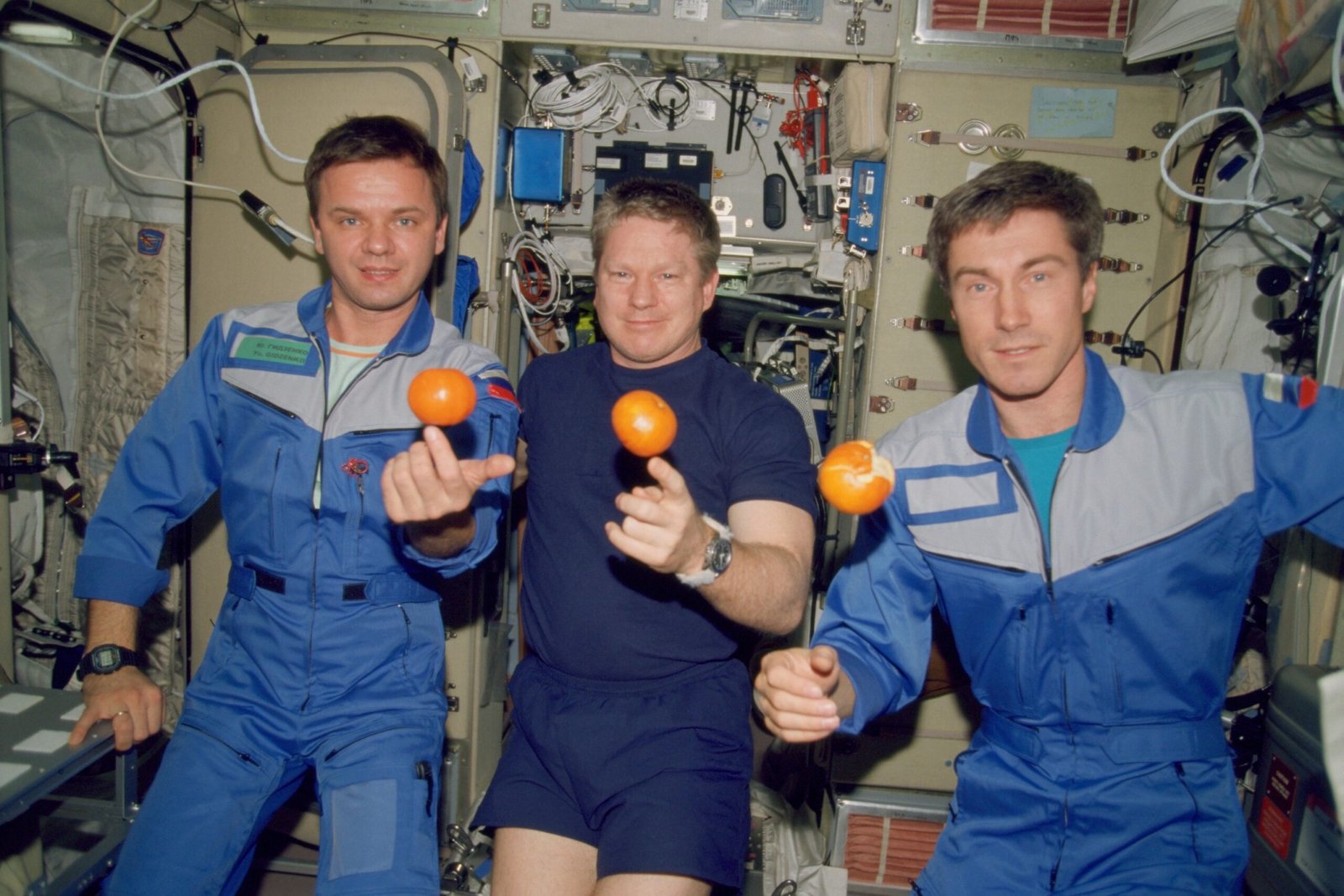
On November 2, 2000, American astronaut William Shepherd and Russian cosmonauts Yuri Gidzenko and Sergei Krikalev guided their Soyuz TM-31 capsule to a fully automated docking with the International Space Station’s Zvezda module, becoming Expedition 1, the first crew to actually live aboard the station rather than just visit and assemble it.
Their arrival turned an empty shell of modules into an inhabited outpost, launching a human presence in low Earth orbit that, as of today, has run unbroken for twenty-six years, the longest continuous stretch of people living off Earth in recorded history.
Expedition 1 proved that Cold War rivals could do more than race each other to space: they could run one shared machine together, day after day. That cooperative habit outlasted the mission itself, drawing in Europe, Japan, Canada, and more than a dozen other partners who have kept the station crewed ever since.
People Behind the Story
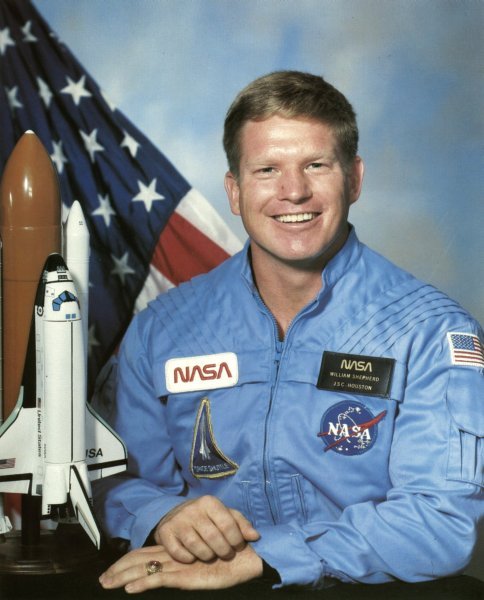
A former U.S. Navy SEAL who became an astronaut, Shepherd commanded Expedition 1 and pushed for the crew’s radio call sign, “Alpha,” which Mission Control authorized for the length of the expedition.
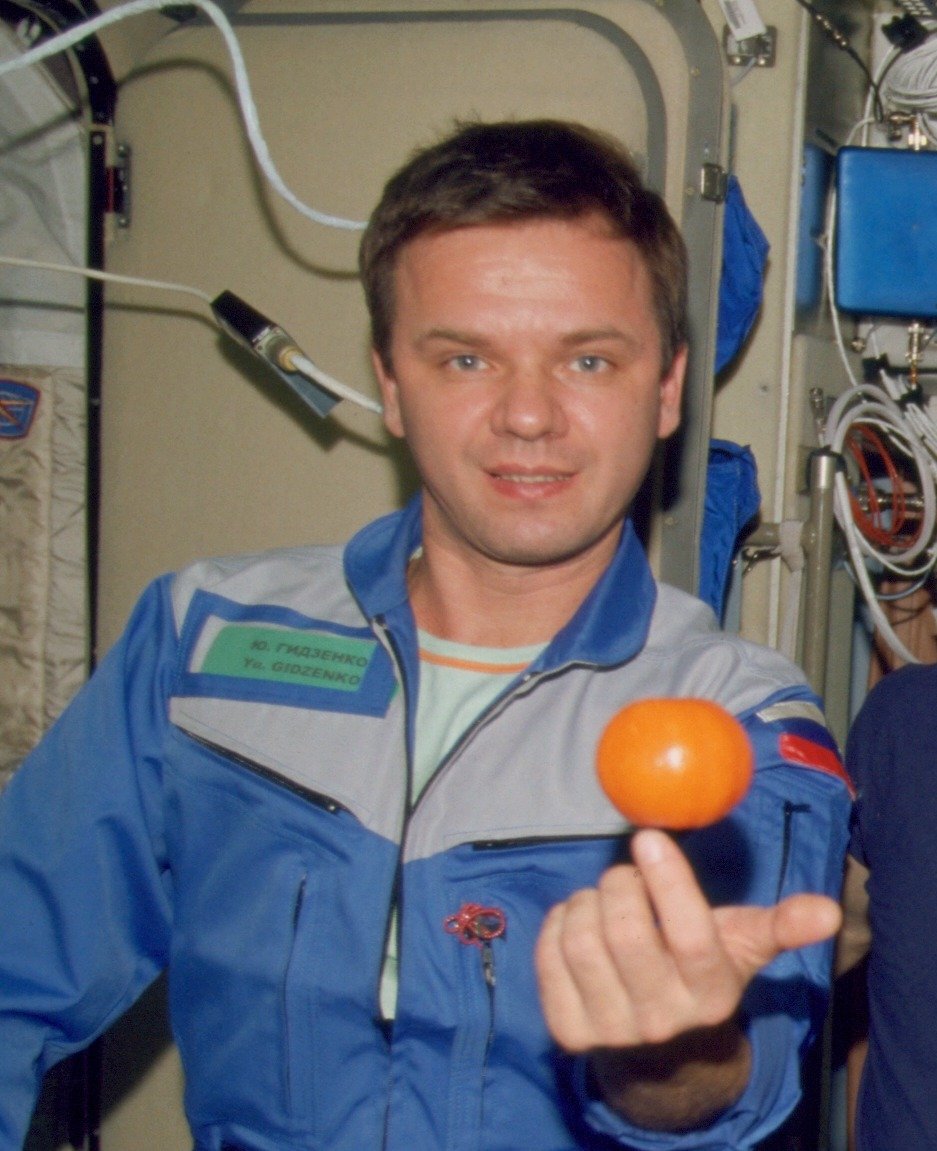
A veteran of nearly six months aboard Russia’s Mir station, Gidzenko piloted the Soyuz TM-31 capsule that carried Expedition 1 into orbit and flew its final approach and docking with the station’s Zvezda module.
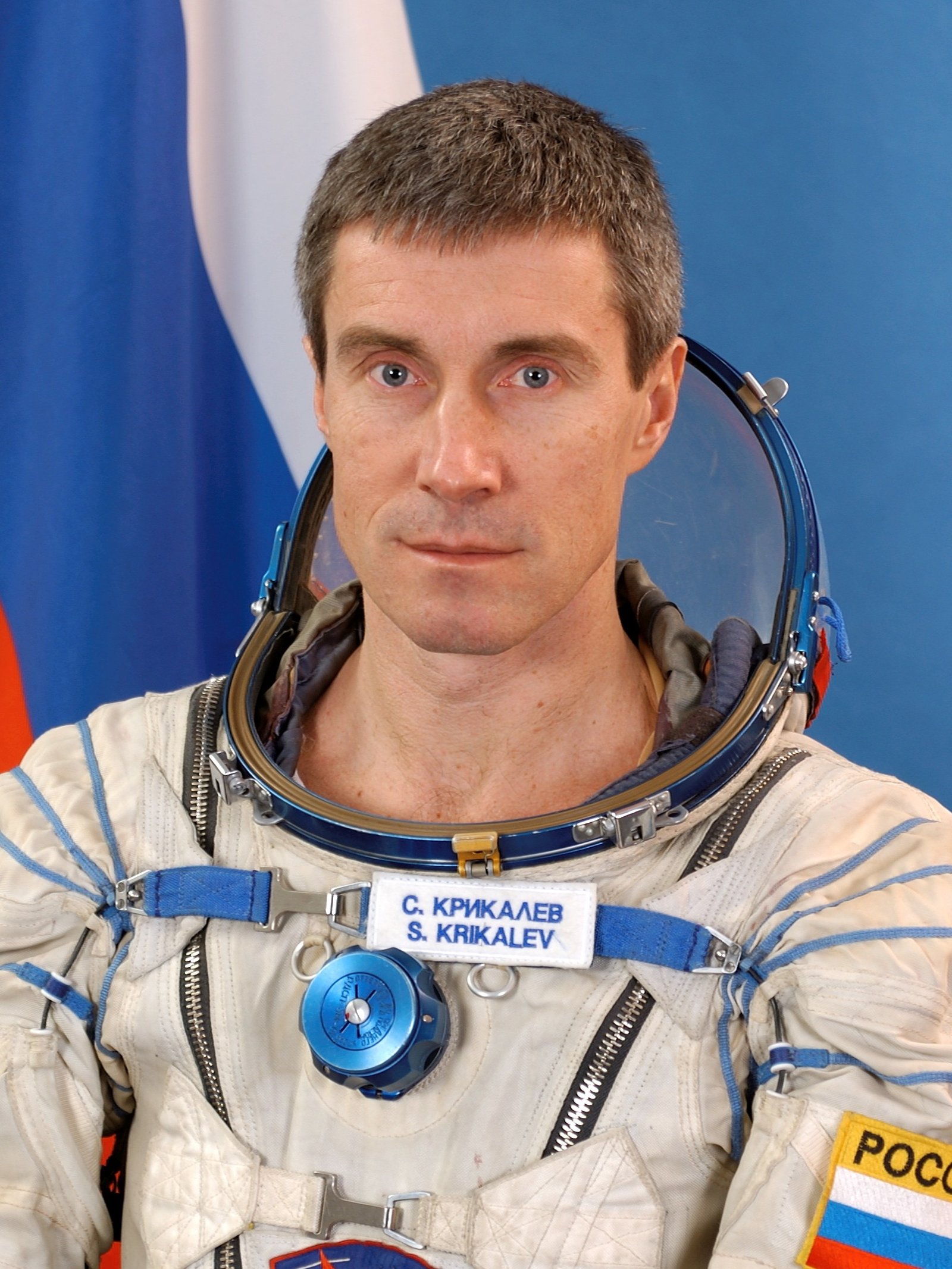
Already a veteran of more than a year in orbit, Krikalev had helped join the station’s first American module to its first Russian one from the shuttle Endeavour two years earlier, making him the first person in history to visit the International Space Station twice.
Key Moments
Russia’s Zvezda service module reaches orbit and joins the station, finally giving the two-year-old structure the life support systems a resident crew would need to move in.
Soyuz TM-31 launches from Baikonur Cosmodrome in Kazakhstan, carrying Shepherd, Gidzenko, and Krikalev toward the station for a two-day chase.
Space shuttle Endeavour’s STS-97 mission delivers the station’s first large solar arrays, sharply expanding the power available to the crew.
After 136 days in orbit, Expedition 1 hands the station to Expedition 2 and returns to Earth aboard shuttle Discovery.
The unbroken run that began with their docking reaches twenty-six years, the longest continuous human presence beyond Earth on record.
Did you know? Shepherd, Gidzenko, and Krikalev are the only crew in history to have greeted the start of a new century and a new millennium while living in space, ringing in January 1, 2001, two months into their stay.
- “Expedition 1,” Wikipedia
- “International Space Station,” Wikipedia
- “First Residential Crew Arrives Aboard International Space Station,” History.com
- “This Day in Space History: Expedition 1 Becomes First Crew to Live and Work Aboard ISS,” Space Center Houston
- “Sergei Konstantinovich Krikalev,” European Space Agency