
New York City Goes Underground
At 2:35 in the afternoon on October 27, 1904, New York’s mayor took the controls of an electric train and launched the city’s first subway, a line that has run beneath Manhattan every day since.
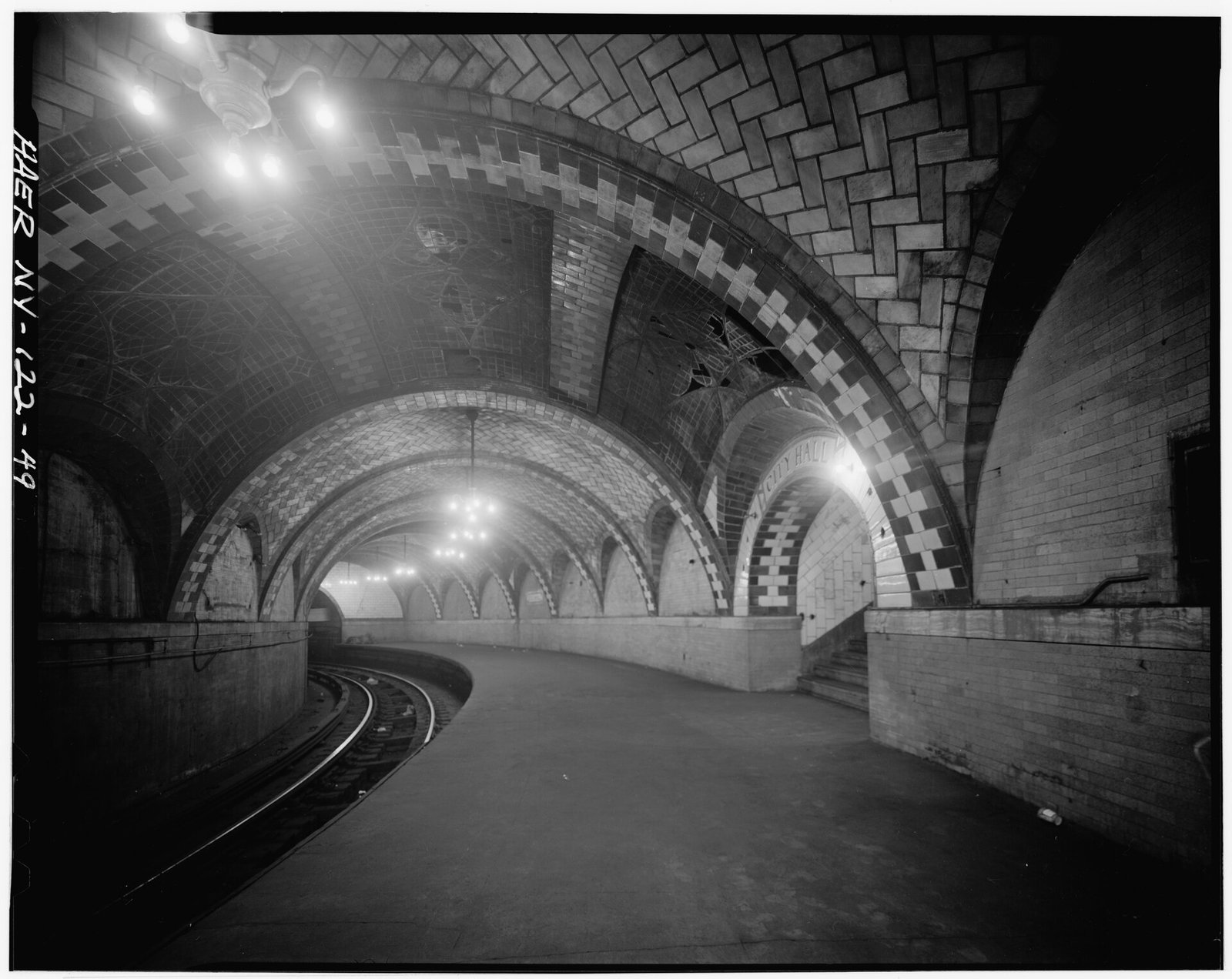
Just after 2:30 p.m., Mayor George B. McClellan Jr. took the controls of the inaugural train at City Hall and drove it as far as 103rd Street. The Interborough Rapid Transit Company opened its full 9.1-mile, 28-station line to the public that evening, and more than 100,000 New Yorkers paid a nickel to ride before the night was over.
The subway let New York grow upward and outward at once. Workers could live miles from their jobs and still arrive in minutes, loosening the crowding of lower Manhattan and setting the pattern for the vertical, round-the-clock city that followed.
One engineering decision, cutting a single line under one set of streets, created a template: once a trunk line runs below a city, every neighborhood it touches becomes commutable, and the map of what counts as close to downtown quietly redraws itself.
People Behind the Story
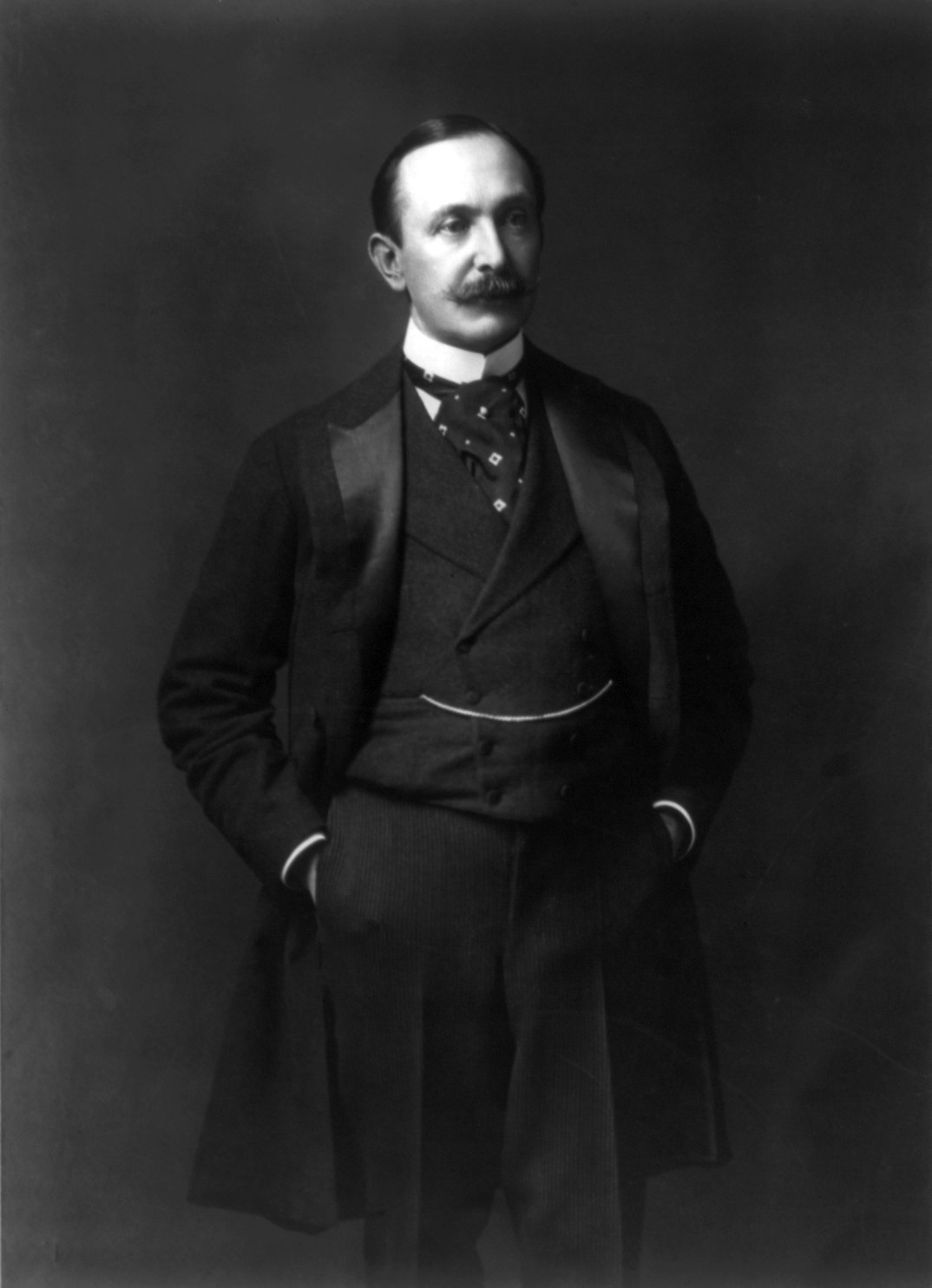
Belmont personally guaranteed the construction financing, then folded the finished line into his own Interborough Rapid Transit Company, the private firm that ran it for the city under a fixed five-cent fare.
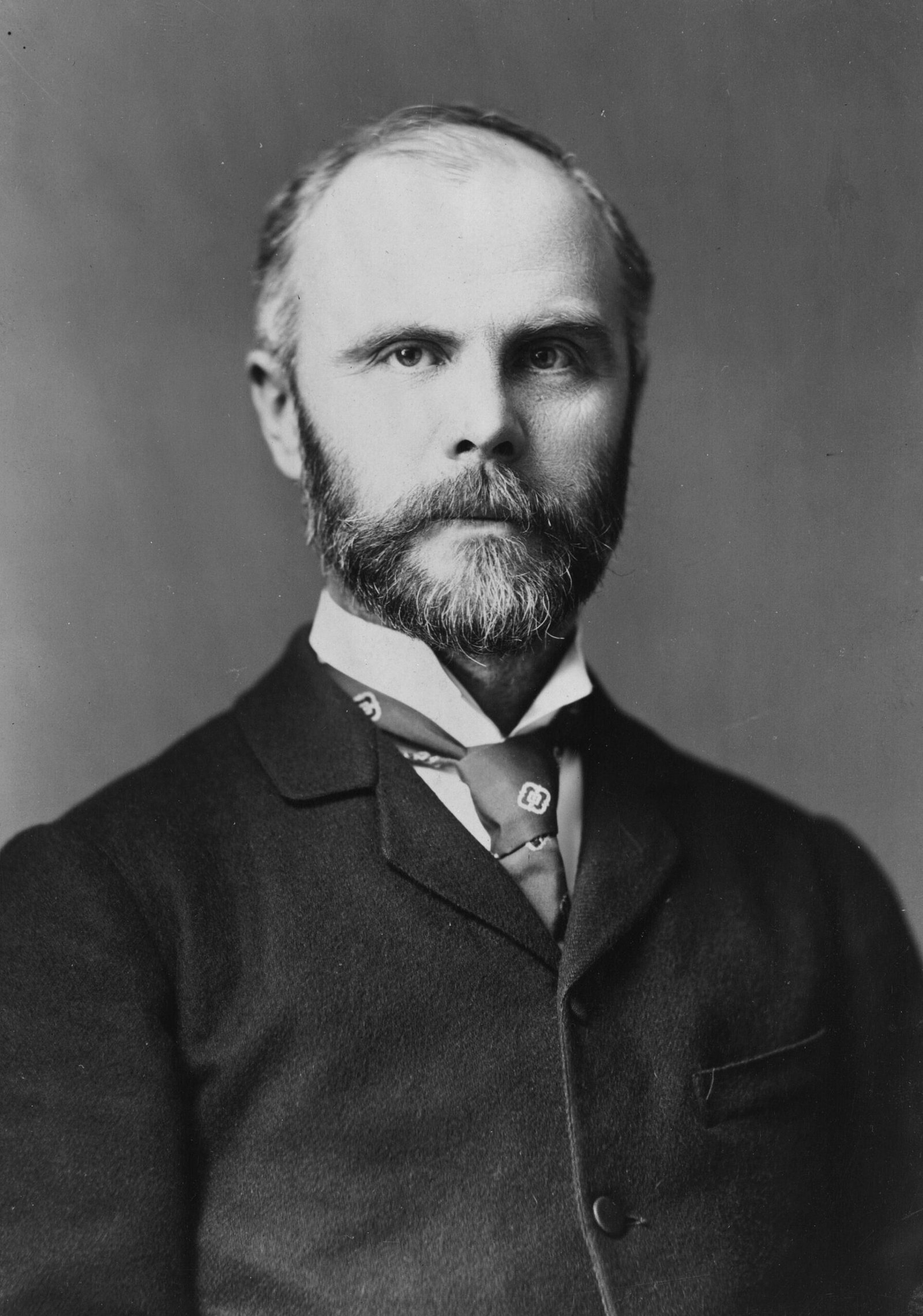
As the Rapid Transit Commission’s chief engineer, Parsons favored shallow cut-and-cover tunneling over deep boring wherever Manhattan’s bedrock allowed it, a choice that saved years and money on the build.
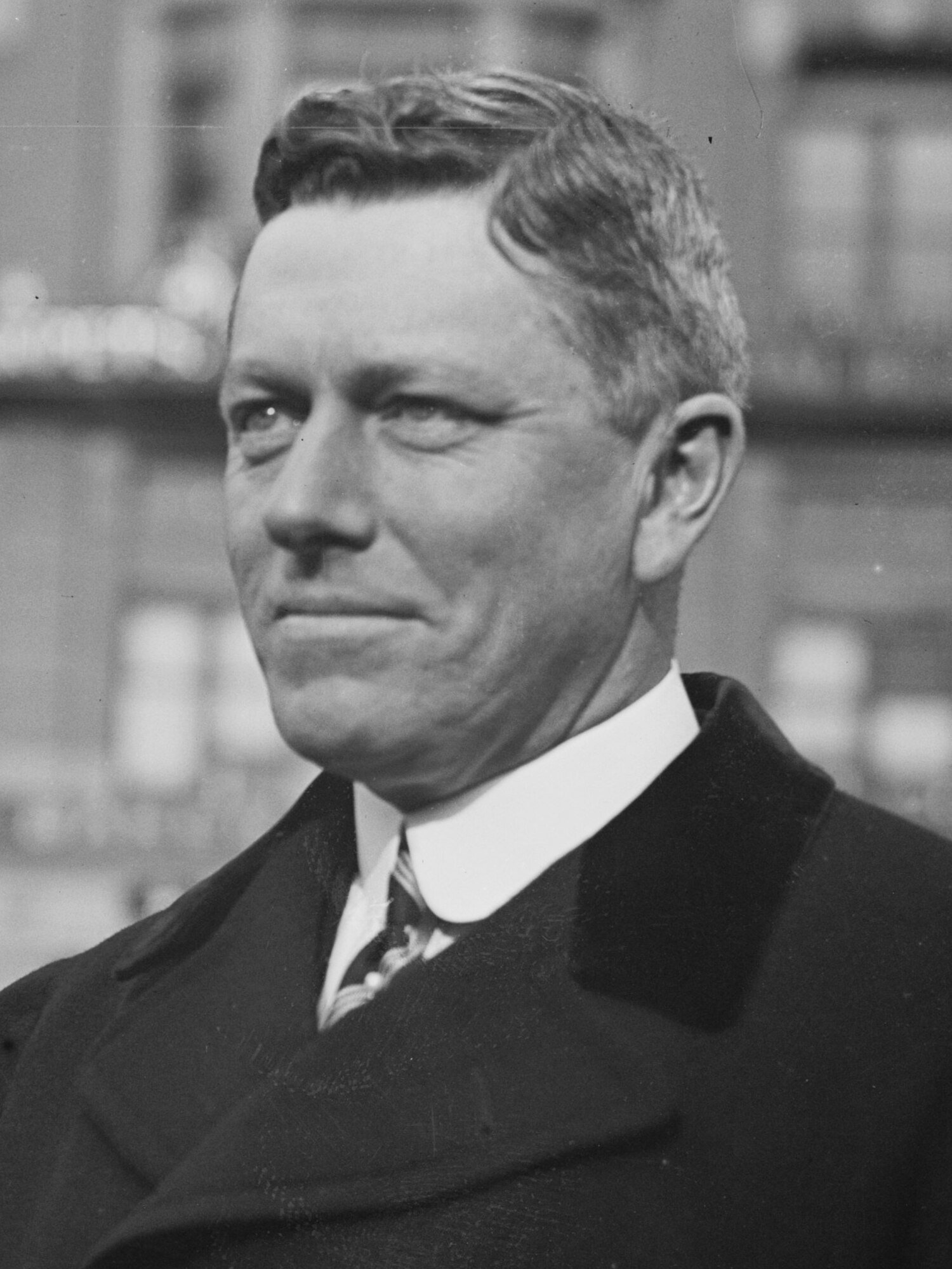
On opening day, the mayor took the controls of the first train at City Hall and refused to hand them over until it reached 103rd Street, far up the line.
Key Moments
The city awards Contract One to builder John B. McDonald, backed by financier August Belmont Jr., turning years of subway proposals into an actual, funded construction project.
Mayor McClellan’s test run becomes the real thing: the Interborough Rapid Transit Company opens its full City Hall to 145th Street line to paying riders at 7 p.m.
Service reaches the Bronx, then Brooklyn, then Queens, turning one 9.1-mile line into the trunk of a system that ties together all but one of the city’s boroughs.
The original City Hall station closes to regular service, its platform too short and too sharply curved for the ten-car trains the growing system now runs.
Did you know? The City Hall station Mayor McClellan opened first was built with twelve Guastavino tile vaults and three glass skylights set into City Hall Park above. It closed to regular riders in 1945, but its tiled ceiling survives intact, used today only as a turning loop for the 6 train.