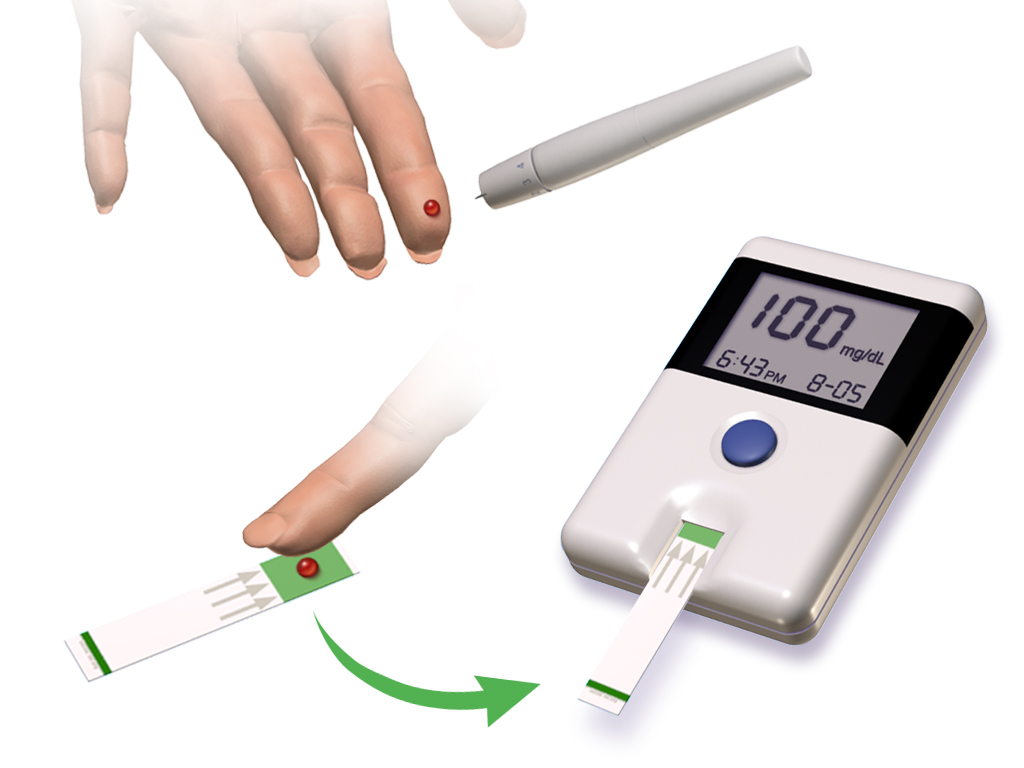
Insulin resistance is a condition in which the body’s cells, particularly in muscle, fat, and liver tissue, respond less effectively to insulin, the hormone responsible for moving glucose out of the bloodstream and into cells for energy use or storage. As cells become less responsive, the pancreas compensates by producing increasing amounts of insulin to achieve the same blood sugar control, and this compensatory state can persist for years before blood sugar levels themselves rise high enough to be classified as prediabetes or type 2 diabetes.
How Insulin Normally Works
In a healthy metabolic state, insulin released by the pancreas after a meal binds to insulin receptors on cell surfaces, triggering a signaling cascade that moves glucose transporter proteins to the cell membrane, allowing glucose to enter the cell from the bloodstream. This process efficiently clears glucose from the blood after eating and allows cells throughout the body to use that glucose for immediate energy or convert it to glycogen or fat for later use, keeping blood sugar within a relatively narrow healthy range throughout the day.
What Goes Wrong in Resistance
In insulin resistance, this signaling cascade becomes impaired at one or more points, meaning a given amount of insulin produces a smaller glucose-clearing effect than it would in an insulin-sensitive person, forcing the pancreas to secrete progressively more insulin to compensate and maintain normal blood sugar. This elevated insulin state, called hyperinsulinemia, can itself contribute to other health problems independent of blood sugar levels, including promoting fat storage and in some cases contributing to elevated blood pressure, which is part of why insulin resistance is considered a central feature of a broader cluster of related metabolic abnormalities.
Contributing Factors
Excess body fat, particularly visceral fat stored around abdominal organs, is strongly associated with insulin resistance, since this fat tissue releases inflammatory signaling molecules and fatty acids that interfere with normal insulin signaling in nearby and distant tissues. Physical inactivity independently worsens insulin sensitivity, since regular muscle contraction normally helps move glucose into muscle cells through pathways that do not require as much insulin, while genetics also plays a meaningful role, with family history of type 2 diabetes being a well-established independent risk factor for developing insulin resistance regardless of body weight.
Progression to Disease
Insulin resistance typically develops gradually over years, and for a long period the pancreas can successfully compensate by producing more insulin, keeping blood sugar levels in a normal range despite the underlying resistance. Type 2 diabetes generally develops only once the pancreas’s insulin-producing beta cells can no longer keep pace with the body’s increasing insulin demands, at which point blood sugar levels begin rising into the prediabetes and eventually diabetes range, meaning insulin resistance is often considered the critical underlying driver that precedes a diabetes diagnosis by years or even decades.
Managing Insulin Resistance
Lifestyle interventions including regular physical activity, moderate weight loss when excess weight is present, and dietary changes that reduce the frequency and magnitude of blood sugar spikes have all been shown in clinical studies to meaningfully improve insulin sensitivity, in some cases substantially reducing the risk of progression to type 2 diabetes. Several medications, most notably metformin, are also used clinically to improve insulin sensitivity, particularly in people with prediabetes or established type 2 diabetes, typically alongside rather than as a replacement for lifestyle modification.
Insulin Resistance and Related Conditions
Insulin resistance frequently occurs alongside a cluster of related conditions including high blood pressure, elevated triglycerides, low HDL cholesterol, and excess abdominal fat, a combination clinicians refer to as metabolic syndrome when several of these features occur together in the same person. Having metabolic syndrome substantially raises the risk of developing both type 2 diabetes and cardiovascular disease compared to having any single risk factor in isolation, which is why clinicians generally screen for and address the whole cluster of related factors together rather than treating insulin resistance as an isolated concern separate from these other metabolic abnormalities.
Polycystic ovary syndrome, a common hormonal condition affecting many women of reproductive age, is strongly associated with insulin resistance, which appears to contribute to the condition’s characteristic hormonal imbalances and is part of why lifestyle interventions targeting insulin sensitivity are frequently included as a component of managing polycystic ovary syndrome alongside other treatments. Non-alcoholic fatty liver disease, in which fat accumulates in the liver in the absence of significant alcohol use, is similarly closely linked to insulin resistance, with impaired insulin signaling in the liver contributing to the abnormal fat accumulation that characterizes the condition.
Blood tests used to assess insulin resistance include fasting glucose and fasting insulin levels, sometimes combined into a calculated index called HOMA-IR, and the oral glucose tolerance test, which measures how blood sugar and insulin levels respond over several hours after consuming a standardized glucose drink. No single test is considered a perfect direct measure of insulin resistance outside of specialized research procedures, so clinicians typically interpret these more practical test results alongside a person’s broader clinical picture, including weight, family history, and other metabolic risk factors, rather than relying on any single number in isolation.
FAQs
Why can insulin resistance exist for years before blood sugar levels actually rise?
The pancreas compensates by producing increasing amounts of insulin, keeping blood sugar normal despite the underlying resistance, until the insulin-producing cells can no longer keep pace with that increased demand.
What role does visceral fat play in insulin resistance?
Fat stored around abdominal organs releases inflammatory molecules and fatty acids that interfere with normal insulin signaling in nearby and distant tissues, making it particularly strongly linked to insulin resistance.
Quick checkWhat is metabolic syndrome and how does it relate to insulin resistance?Show answer
Metabolic syndrome is a cluster of conditions, including high blood pressure, elevated triglycerides, and excess abdominal fat, that frequently occurs alongside insulin resistance and raises diabetes and cardiovascular risk.
Editorially reviewed by Specialty Digest Editorial TeamLast reviewed November 2, 2026Researched and drafted with AI assistanceReport an issue