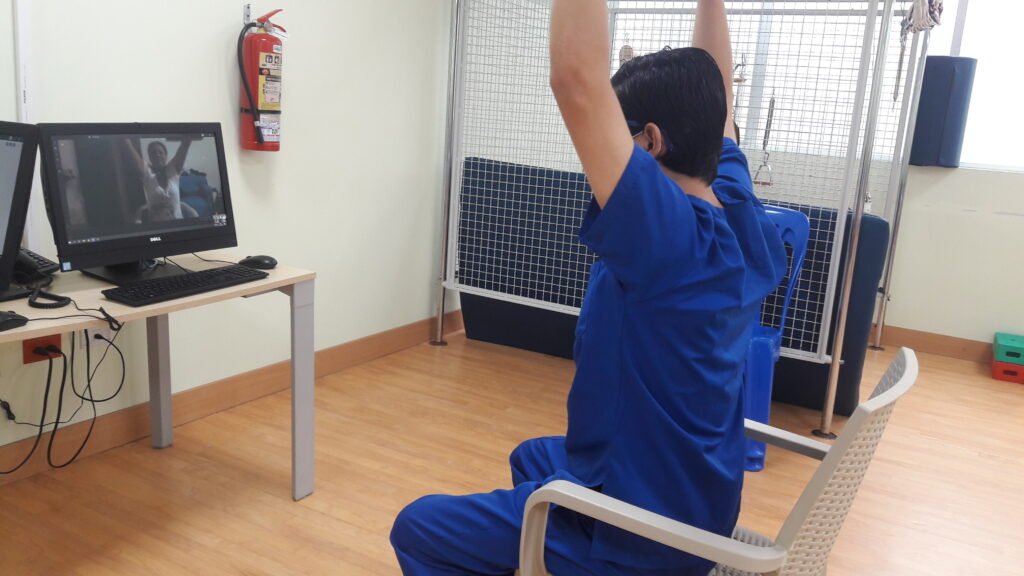
Telemedicine is the delivery of healthcare services remotely using telecommunications technology, allowing patients and clinicians to connect for consultations, diagnosis, and ongoing care management without requiring a physical, in-person office visit. What began decades ago, using early tools like telephone consultations and later basic video links, as a way to extend specialist care to remote or underserved areas has since grown into a mainstream, widely adopted component of everyday healthcare delivery, accelerated considerably by the COVID-19 pandemic, which forced many health systems around the world to rapidly expand remote care options out of sheer necessity rather than gradual, planned adoption.
Types of Telemedicine
Telemedicine encompasses several distinct approaches, including live video consultations that most closely resemble an in-person visit, store-and-forward systems in which images or data are collected and sent to a specialist for later review, and remote patient monitoring, in which devices track a patient’s vital signs or symptoms at home and transmit the data to a care team for ongoing review. Each approach suits different clinical needs, with live video well-suited to many routine consultations and remote monitoring particularly valuable for managing chronic conditions over extended periods. Store-and-forward approaches are especially common in fields like radiology and dermatology, where a specialist can review an image or scan asynchronously without needing to be available at the exact same time as the patient, which can shorten wait times considerably for both parties involved.
Benefits and Applications
Telemedicine can meaningfully improve access to care for people in rural or geographically isolated areas, those with mobility limitations or disabilities, and those who face significant, real barriers to taking time off work or arranging transportation for an in-person appointment. It has proven particularly valuable for mental health services, routine follow-up appointments, chronic disease management, medication check-ins, and specialist consultations in fields like dermatology and psychiatry, where a visual or verbal assessment often does not require hands-on physical examination to reach a confident clinical judgment.
Limitations
Not every medical concern is well-suited to remote evaluation, since many diagnoses depend on physical examination findings, such as listening closely to heart or lung sounds, palpating an area of reported pain, or directly and physically assessing a wound, that cannot be adequately replicated through a screen. Technical barriers, including unreliable internet access, limited digital literacy, and basic unfamiliarity with the required video or messaging technology, can also create new access barriers for some patients even as telemedicine removes other, different barriers for other groups of patients entirely.
Regulatory and Reimbursement Considerations
Telemedicine’s growth has required significant adaptation of healthcare regulation and insurance reimbursement policies, including rules about which licensed professionals can legally practice across state or national borders when treating a patient remotely, how patient privacy and sensitive health data security are maintained carefully during remote visits, and whether and how much insurers will pay for a telemedicine visit compared with an equivalent in-person one, an area sometimes called payment parity. These policies have shifted considerably in recent years and continue to evolve as telemedicine becomes a more permanent and routine part of standard healthcare delivery rather than a temporary, pandemic-era emergency measure.
The Future of Remote Care
As technology continues to advance, telemedicine is increasingly incorporating tools such as wearable devices that continuously track health metrics, artificial intelligence that helps triage symptoms and flag concerning patterns in a patient’s reported data, and more sophisticated remote diagnostic equipment, such as connected stethoscopes and otoscopes, that can replicate meaningful aspects of an in-person exam even from a considerable distance. Many health systems around the world now describe their approach as hybrid care, deliberately combining in-person and remote visits based on what each specific individual clinical situation genuinely requires, rather than treating telemedicine purely as a wholesale replacement for traditional, in-person medical care.
Telemedicine and Health Equity
Telemedicine presents a genuine paradox for health equity: it can dramatically expand access for people in rural communities far from specialist care or for those with disabilities that make travel to a clinic difficult, while simultaneously disadvantaging people who lack reliable broadband internet, a suitable device, or comfort navigating unfamiliar digital tools. Public health researchers increasingly emphasize that expanding telemedicine access must be paired with efforts to close this so-called digital divide, such as providing community access points or offering phone-based alternatives to video visits, if its benefits are to reach the populations that stand to gain the most, rather than primarily benefiting those who are already comfortably well-connected and digitally literate.
Language access and cultural considerations also shape how effectively telemedicine serves diverse populations, since remote interpretation services and culturally appropriate care delivery require noticeably different planning than an in-person visit, where a staff member might more easily coordinate in-person language support on short notice. Health systems that have invested deliberately in these areas have generally seen more equitable uptake of telemedicine services across different patient populations than those health systems that simply made the underlying technology available without providing such additional, deliberate support.
FAQs
What types of medical care are well-suited to telemedicine?
Mental health services, routine follow-up appointments, chronic disease management, and specialist consultations that rely primarily on visual or verbal assessment, such as dermatology or psychiatry, are generally well-suited to telemedicine.
Why can’t telemedicine replace all in-person medical visits?
Many diagnoses depend on physical examination findings, such as listening to heart or lung sounds or palpating an area of pain, that cannot be adequately replicated through a screen.
Quick checkWhy can't telemedicine replace all in-person medical visits?Show answer
Many diagnoses depend on physical examination findings, such as listening to heart or lung sounds or palpating an area of pain, that cannot be adequately replicated through a screen.
Editorially reviewed by Specialty Digest Editorial TeamLast reviewed November 2, 2026Researched and drafted with AI assistanceReport an issue