Post-traumatic stress disorder, commonly abbreviated as PTSD, is a mental health condition that can develop after a person experiences or witnesses a deeply distressing or life-threatening event, such as combat, a serious accident, assault, or a natural disaster. While many people experience some distress after a traumatic event, PTSD is diagnosed when specific symptoms persist for more than a month, cause significant distress or impairment, and are not simply the natural, expected short-term response that most people experience in the days immediately following an upsetting event.
Core Symptoms
PTSD symptoms generally fall into four categories: intrusive memories, such as unwanted flashbacks or nightmares about the traumatic event; avoidance of reminders of the trauma, including places, people, or activities associated with it; negative changes in mood and thinking, such as persistent guilt, detachment from others, or a diminished interest in previously enjoyed activities; and changes in physical and emotional reactions, including being easily startled, feeling constantly on edge, or having difficulty sleeping or concentrating. A formal clinical diagnosis typically requires symptoms from each of these four categories to be present together over a sustained period.
Who Develops PTSD
Not everyone who experiences a traumatic event develops PTSD, and researchers have identified several factors that influence individual risk, including the severity and duration of the trauma, whether the person has experienced previous traumatic events, the amount of social support available afterward, and individual differences in how a given person’s brain and body process perceived threat and ongoing stress. Certain occupations with frequent exposure to traumatic events, including military service, emergency response, and healthcare work in high-acuity settings, carry notably elevated rates of PTSD compared with the general working population.
How PTSD Affects the Brain
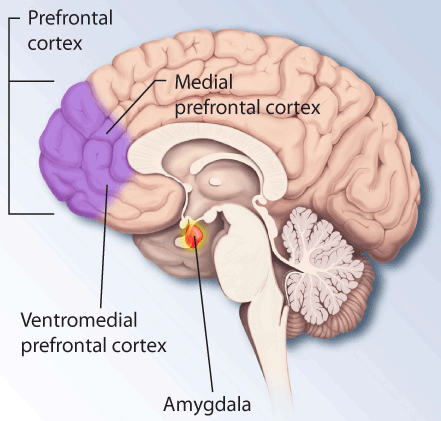
Research using brain imaging has identified differences in several brain regions among people with PTSD compared with those without the condition, particularly involving the amygdala, which plays a central role in processing fear and threat, and the hippocampus, which is involved in forming and contextualizing memories. These differences may help explain why people with PTSD can experience an exaggerated threat response to reminders of trauma and why traumatic memories sometimes feel disjointed, fragmented, or difficult to place firmly in the past rather than the present.
Evidence-Based Treatments
Several forms of psychotherapy have strong research support for treating PTSD, including trauma-focused cognitive behavioral therapy, which helps people process traumatic memories and challenge unhelpful beliefs that developed in response to the trauma, and eye movement desensitization and reprocessing, a specialized approach that incorporates guided eye movements while a person briefly recalls specific traumatic memories. Certain antidepressant medications are also used, sometimes alongside psychotherapy, particularly when symptoms are severe or when co-occurring depression is also present. Some people with PTSD also develop problems with alcohol or substance use as they attempt to manage distressing symptoms on their own, which is why clinicians often screen for and address these co-occurring difficulties as part of a comprehensive treatment plan rather than treating PTSD symptoms in isolation.
Living With and Recovering From PTSD
Recovery from PTSD is possible, and many people experience substantial improvement with appropriate treatment, though the process is often gradual, nonlinear, and individual experiences vary considerably from one person to the next. Social support, stable routines, and avoiding substances used to numb symptoms, which can interfere with recovery and sometimes develop into a separate problem of their own, all play a meaningful, well-documented role in supporting lasting recovery alongside any formal professional treatment a person receives.
PTSD in Children
PTSD can affect children as well as adults, though its presentation often differs in important ways, with young children sometimes reenacting the traumatic event through repetitive play rather than describing it verbally, and showing regression in previously mastered skills such as toilet training or language use. Older children and adolescents may show symptoms closer to the adult presentation, including intrusive memories and avoidance, but may also express distress more through irritability, behavioral problems, or declining school performance than through the specific symptoms adults more commonly report to a clinician.
Caregiver involvement plays a particularly important role in childhood PTSD treatment, since a supportive, stable caregiving environment is strongly associated with better outcomes, and many evidence-based treatments for children, including trauma-focused cognitive behavioral therapy adapted for younger ages, explicitly incorporate caregivers into the treatment process rather than working with the affected child alone, separate from the rest of the family.
Complex PTSD and Related Conditions
Some researchers and clinicians use the term complex PTSD to describe presentations that develop after prolonged, repeated trauma, such as ongoing childhood abuse or sustained captivity, which can involve additional difficulties with emotional regulation, self-concept, and relationships beyond the core PTSD symptom categories. While complex PTSD is formally recognized in some diagnostic systems and not others, the concept has influenced how clinicians think about treating trauma that unfolds repeatedly over an extended period rather than resulting from a single, discrete, time-limited traumatic event.
FAQs
How is PTSD different from the normal distress most people feel after a traumatic event?
PTSD is diagnosed when specific symptoms, including intrusive memories, avoidance, negative mood changes, and heightened physical reactivity, persist for more than a month and cause significant distress or impairment, rather than resolving naturally over a shorter period.
What treatments have the strongest evidence for PTSD?
Trauma-focused cognitive behavioral therapy and eye movement desensitization and reprocessing both have strong research support, and certain antidepressant medications are also used, sometimes alongside psychotherapy.
Quick checkHow is PTSD different from the normal distress most people feel after a traumatic event?Show answer
PTSD is diagnosed when specific symptoms, including intrusive memories, avoidance, negative mood changes, and heightened physical reactivity, persist for more than a month and cause significant distress or impairment.
Editorially reviewed by Specialty Digest Editorial TeamLast reviewed November 2, 2026Researched and drafted with AI assistanceReport an issue