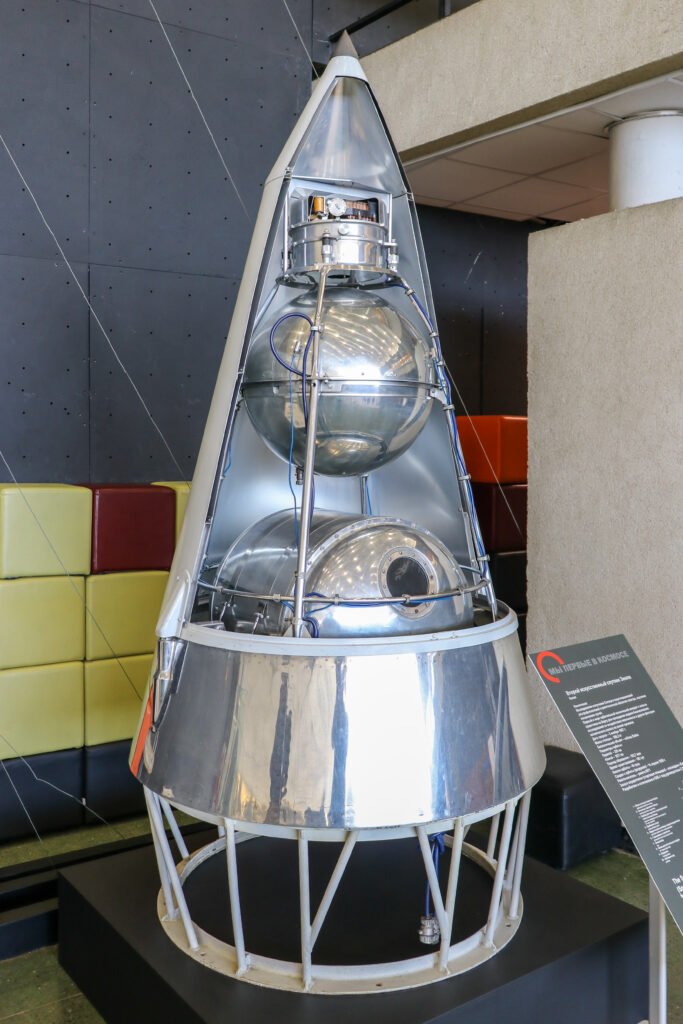
Laika Becomes the First Living Creature to Orbit Earth
Less than a month after Sputnik 1, the Soviet Union rushed a second satellite into orbit with a passenger on board: a stray dog named Laika, sent up with no way to bring her home.
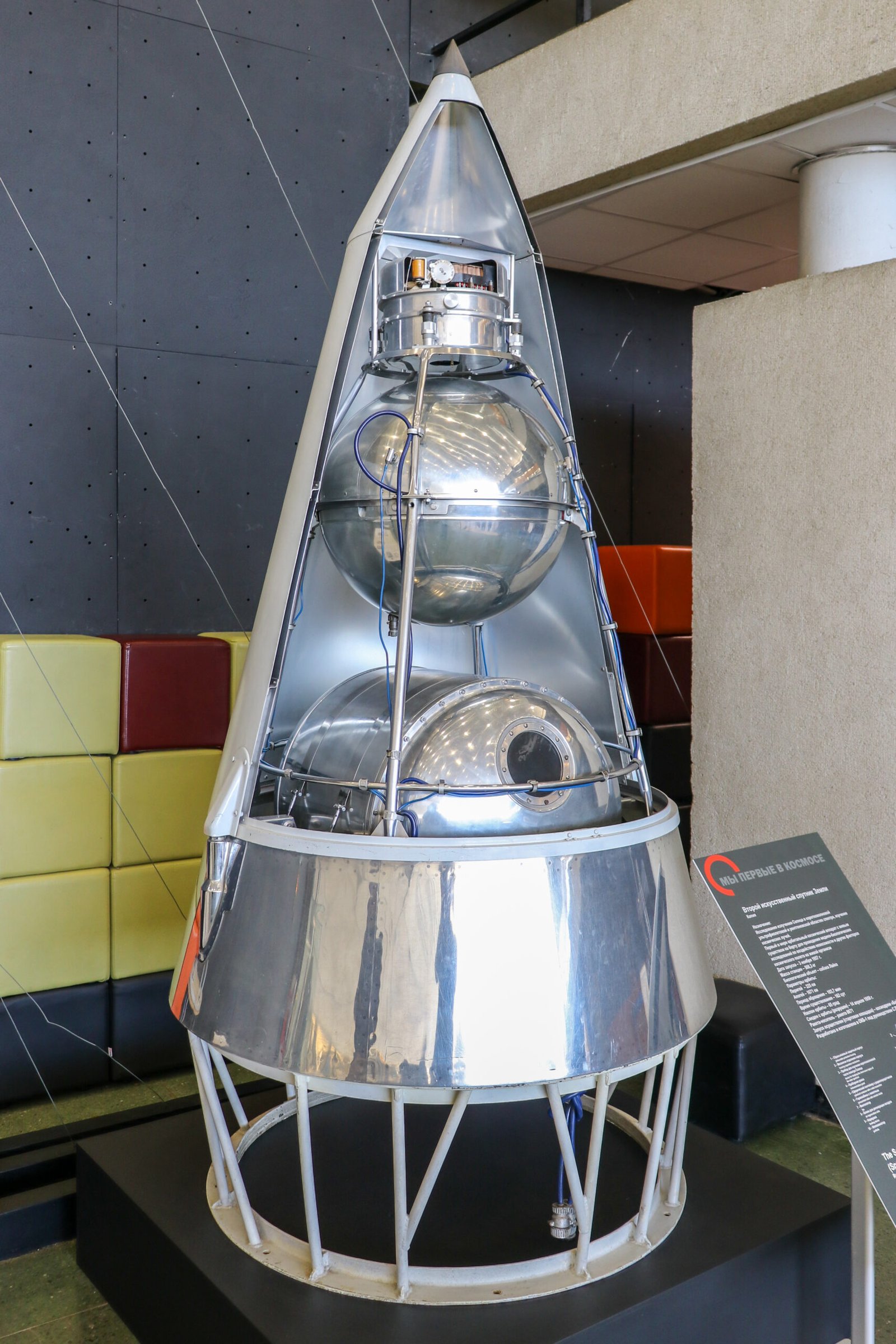
On November 3, 1957, the Soviet Union launched Sputnik 2 from the Tyuratam range in Kazakhstan, carrying a stray Moscow dog named Laika into orbit. Premier Nikita Khrushchev had ordered chief designer Sergei Korolev to ready a second satellite within weeks, to mark the 40th anniversary of the Bolshevik Revolution.
Laika’s flight gave Soviet engineers their first real evidence that a living body could survive launch and reach orbit, data they needed before risking a human pilot. Her one-way mission became a direct, documented step toward Yuri Gagarin’s orbital flight less than four years later.
Before any human climbed aboard a rocket, something expendable had to go first and show whether a living body could survive what launch, weightlessness, and orbit would do to it. Korolev’s engineers never expected Laika to survive the trip. They needed to know if anyone could.
People Behind the Story
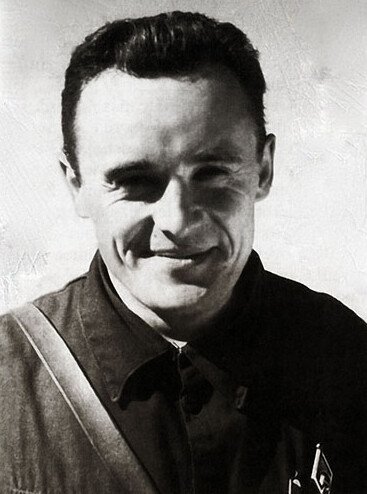
Ordered by Khrushchev to ready a second satellite in under four weeks, Korolev’s team reused leftover Sputnik 1 hardware and built a sealed, pressurized cabin for Laika, with no plan to ever bring her back.
Key Moments
The Soviet Union launches Sputnik 1, the world’s first artificial satellite, catching the United States by surprise.
Sputnik 2 reaches orbit carrying Laika, the first living creature ever to circle the Earth.
Dogs Belka and Strelka orbit aboard Sputnik 5 and return to Earth alive, the safe flight home that Laika’s mission had made possible.
Yuri Gagarin becomes the first human to orbit Earth, flying aboard Vostok 1.
Did you know? Decades later, Oleg Gazenko, the scientist who chose Laika for the flight, said: “The more time passes, the more I’m sorry about it. We did not learn enough from this mission to justify the death of the dog.”
- “60 Years Ago: The First Animal in Orbit,” NASA
- “Laika Declassified,” Smithsonian / Air & Space Magazine
- “Nov. 3, 1957: Where Man Had Yet to Go,” SpaceNews
- “This Month in Astronomical History: The Launch of Sputnik 2,” American Astronomical Society
- “Laika The Space Dog,” RFE/RL (Radio Free Europe/Radio Liberty)