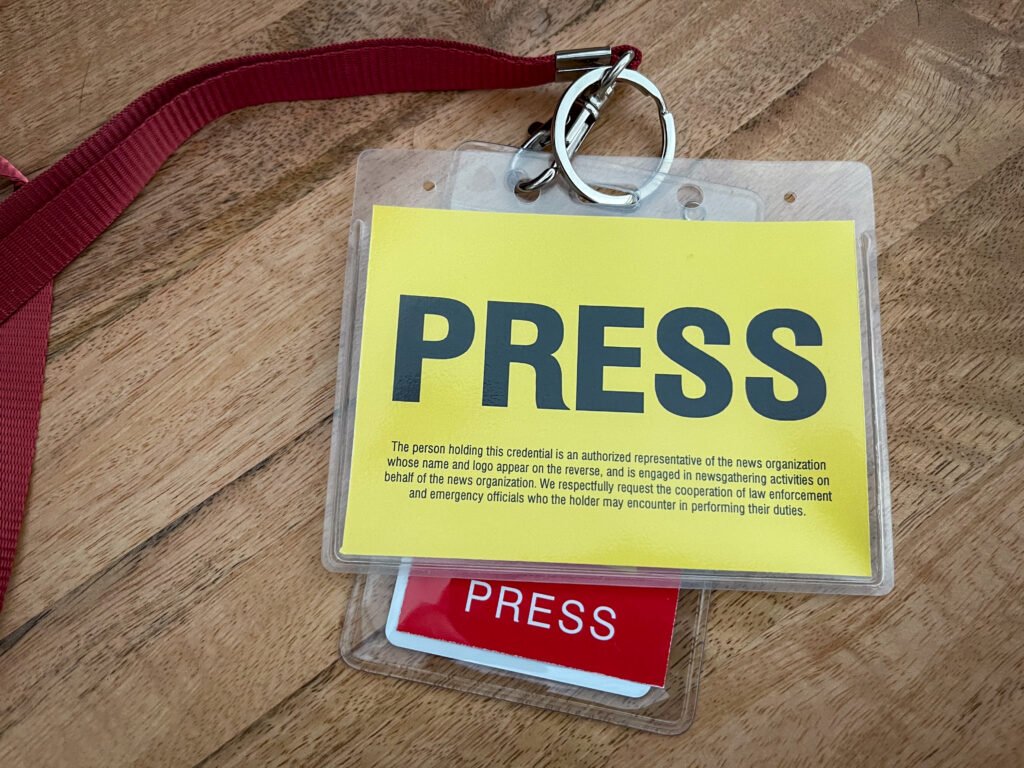
Media ethics codes translate broad journalistic values into concrete guidance that newsrooms apply to everyday decisions.
Core Principles
Most codes converge on a similar set of values: seek the truth and report it accurately, act independently of outside pressure, minimize harm to vulnerable subjects, and remain accountable for mistakes.
Enforcement Without Law
Because these codes carry no legal force, adherence depends on newsroom culture, editorial oversight, and the professional reputation a journalist builds over a career.
Accuracy and Verification
Nearly every major ethics code places accuracy at the center of journalistic practice, requiring reporters to verify information before publication, seek out original sources rather than relying on secondhand accounts, and correct errors promptly and visibly once discovered. These requirements exist because accuracy is the foundation on which public trust in reporting depends, and a pattern of careless errors can damage that trust far beyond any single story.
Minimizing Harm
Ethics codes typically direct journalists to show compassion for those affected by coverage, particularly victims of tragedy, children, and other vulnerable individuals, balancing the public interest in a story against the potential harm that publication could cause to people with little power to protect themselves. This principle often guides decisions about what detail to include and what to leave out of a difficult story.
Independence From Outside Influence
Codes generally call for journalists to avoid conflicts of interest, reject gifts or favors that could compromise judgment, and resist pressure from advertisers, sources, or owners who might want coverage shaped in their favor. Independence is treated as a precondition for credible reporting rather than an optional ideal.
Accountability to the Audience
Finally, most codes ask journalists and news organizations to remain open to criticism, explain their editorial decisions when challenged, and hold themselves to the same standards they expect from the people and institutions they cover, reinforcing the idea that ethical journalism is a continuous practice rather than a fixed checklist.
Economic Considerations
Smaller newsrooms facing declining revenue sometimes struggle to maintain the editorial infrastructure, such as dedicated standards editors, that larger organizations use to enforce ethics codes consistently, raising concern that financial pressure could erode ethical standards across the industry over time. Professional associations have responded by offering free or low-cost ethics training specifically aimed at smaller and independent newsrooms.
Looking Ahead
The rise of independent journalists and online creators operating outside traditional newsroom structures has raised new questions about who is bound by a professional ethics code and how audiences should evaluate reporting from sources with no formal editorial oversight at all, a question the industry continues to work through.
International Perspectives
Ethics codes differ across media systems, reflecting distinct press traditions, from codes emphasizing strict separation between news and opinion in some countries to traditions that more openly blend advocacy and reporting in others. International journalism organizations have worked to establish broadly shared baseline principles, such as accuracy and minimizing harm, even while acknowledging that specific cultural and legal contexts shape how those principles are applied in daily newsroom practice around the world.
Related Specialties
Media ethics codes connect closely to conflict of interest policy, source confidentiality practice, and defamation law, since each of these areas ultimately asks a journalist to weigh competing obligations to the public, to sources, and to the subjects of a story.
Practical Guidance for Newsroom Leaders
Newsroom leaders often reinforce ethics codes through regular training sessions, case study discussions of real ethical dilemmas the organization has faced, and a clear escalation path for staff who are uncertain how a code applies to a specific situation. Treating the code as a living document that gets revisited periodically, rather than a document signed once and then ignored, tends to produce stronger adherence across a newsroom over time than a purely formal compliance exercise.
Audience members increasingly expect transparency about how a newsroom reaches editorial decisions, and some outlets now publish explanatory notes alongside sensitive stories describing the ethical considerations weighed before publication, a practice that extends the spirit of a written ethics code directly into the reader experience rather than keeping it confined to an internal staff document alone.
A code that exists only on paper, without any real mechanism for enforcement or discussion, tends to carry far less weight inside a newsroom than one actively referenced during editorial meetings and difficult story decisions as they come up in daily practice.
A newsroom willing to publicly acknowledge a mistake and explain exactly how it happened tends to retain far more audience trust over time than one that quietly corrects an error without any visible accountability at all.
A newsroom culture where junior staff feel comfortable raising an ethical question without fear of appearing inexperienced tends to catch problems earlier than one where such questions are quietly discouraged.
A newsroom that revisits its ethics code after a difficult incident, rather than treating the document as permanently finished, tends to produce guidance that better matches real situations staff actually encounter.
A code reviewed only once, at hiring, tends to fade from daily practice far faster than one reinforced through ongoing conversation among editors and reporters.
A newsroom standards editor who reviews a borderline story against the written code before publication, rather than after a complaint arrives, catches far more problems while they can still be fixed.
A code that addresses emerging practice, such as how staff should handle sponsored content or outside paid work, stays more relevant than one written only with traditional print reporting in mind.
A code is only as strong as the willingness of leadership to enforce it even when doing so is inconvenient or costly to a valued staff member.
Key facts
- Array
Quick checkAre media ethics codes legally enforceable?Show answer
No, they are voluntary professional standards enforced through norms, peer pressure, and organizational policy rather than through law.
Sources
- Array
Editorially reviewed by Specialty Digest Editorial TeamLast reviewed November 3, 2026Researched and drafted with AI assistanceReport an issue