Specialty Digest

Global English editionLearners’ Study Dashboard — in development
The Knowledge Library for All
Encyclopedia / Journalism & Media Studies

Media Law & Ethics

Specialty Knowledge entries in Media Law & Ethics.

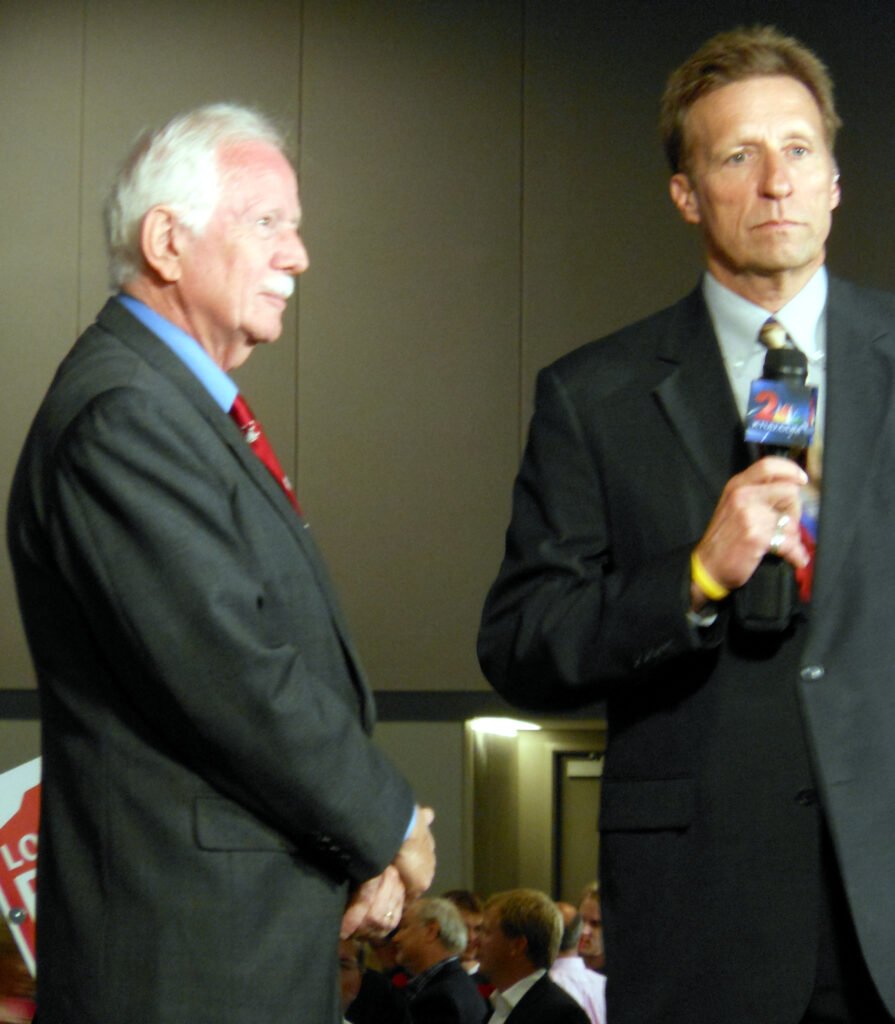
Officials meeting around a table, the kind of setting where disclosure and recusal decisions get discussed

Conflict of Interest in Journalism

A conflict of interest threatens the appearance and substance of fair coverage whenever a reporter personal stake intersects with an assigned story. Common Sources of Conflict Financial holdings, family ties to a newsmaker, and outside consulting work are among the most frequent conflicts that arise in daily reporting. Disclosure and Recusal Newsrooms typically address the
Conflict of Interest in Journalism Read More »

A conflict of interest in journalism arises when a reporter personal, financial, or political interests could compromise objective coverage of a subject.

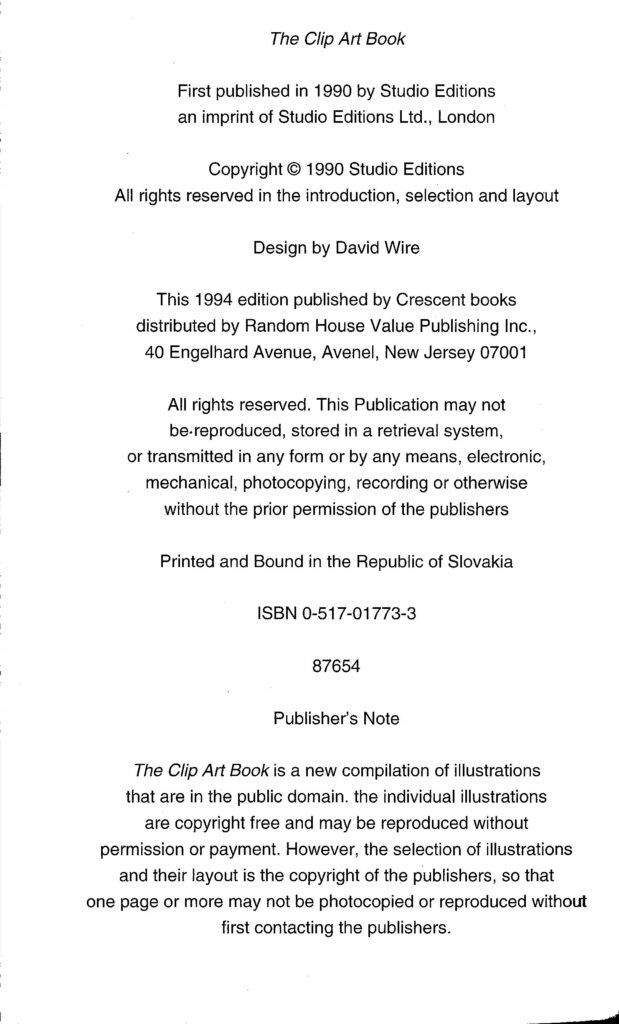
A book copyright and edition notice page illustrating how publishers formally claim rights to their work

Copyright in Journalism

Copyright in journalism protects the written expression of a story while leaving the underlying facts free for anyone to report. What Copyright Covers A reporter specific sentences, structure, and analysis are protected expression, while the bare facts uncovered through reporting remain available for any other outlet to cover independently. Fair Use and Aggregation Fair use

Copyright in Journalism Read More »

Copyright in journalism governs who owns published news content and under what terms others may quote, excerpt, or republish it.

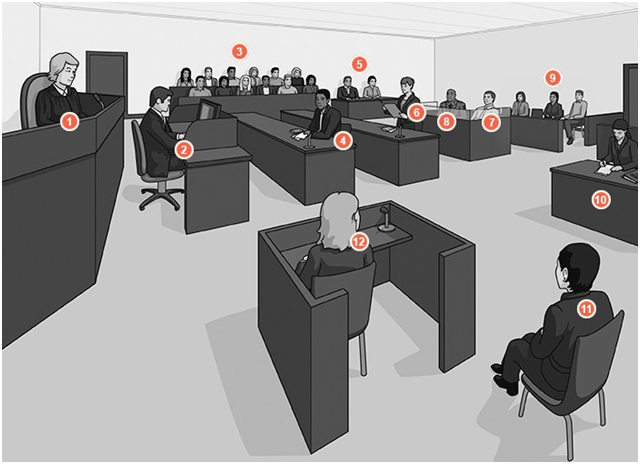
A courtroom layout diagram showing judge, jury, and counsel positions relevant to defamation litigation

Defamation Law

Defamation law sits at the center of the tension between a free press and an individual right to a good name. What Counts as Defamation A defamatory statement is a false assertion of fact, published to a third party, that damages the subject reputation. Opinion, satire, and statements that are substantially true generally fall outside

Defamation Law Read More »

Defamation law governs false statements that harm a reputation, balancing protection of individuals against the press freedom journalists rely on to report.

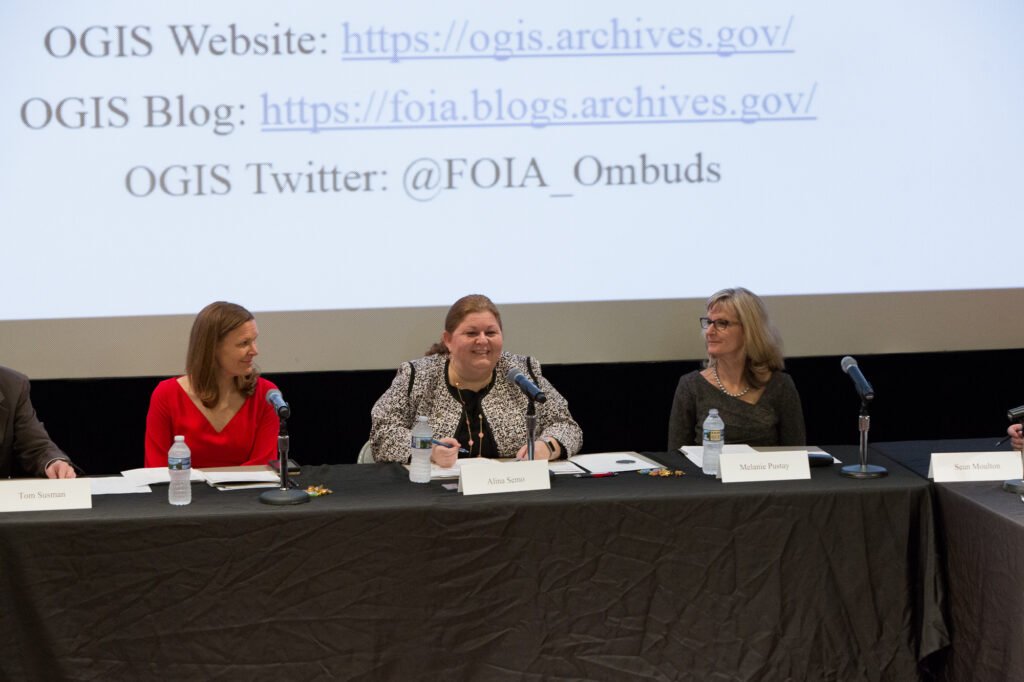
Members of a Freedom of Information Act advisory committee meeting to discuss open records policy

Freedom of Information

Freedom of information statutes convert an informal expectation of government openness into an enforceable legal right. Origins and Scope Modern open records law traces its lineage to statutes enacted across many democracies in the twentieth century, each establishing a presumption that government records are public unless a specific exemption applies. Exemptions and Appeals Agencies commonly

Freedom of Information Read More »

Freedom of information law gives the public and the press a legal right to request records held by government bodies, supporting accountability reporting.

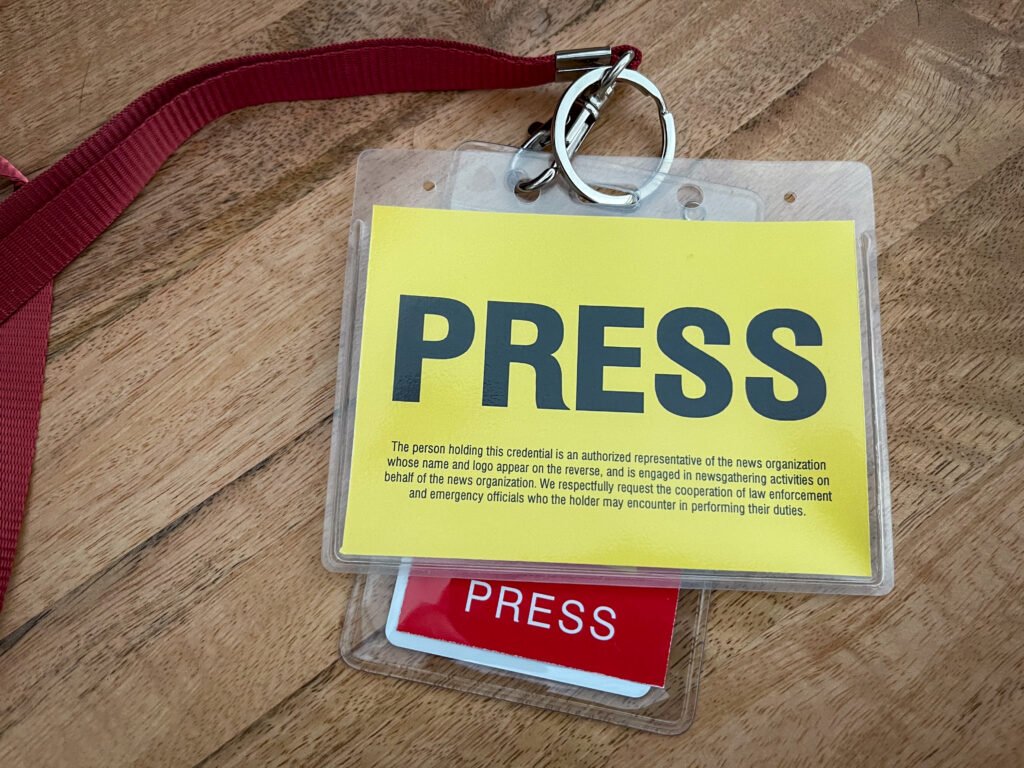
A standard press credential of the kind issued under media ethics and accreditation practices

Media Ethics Codes

Media ethics codes translate broad journalistic values into concrete guidance that newsrooms apply to everyday decisions. Core Principles Most codes converge on a similar set of values: seek the truth and report it accurately, act independently of outside pressure, minimize harm to vulnerable subjects, and remain accountable for mistakes. Enforcement Without Law Because these codes

Media Ethics Codes Read More »

Media ethics codes are voluntary standards adopted by news organizations and professional associations to guide accuracy, fairness, and conduct in reporting.

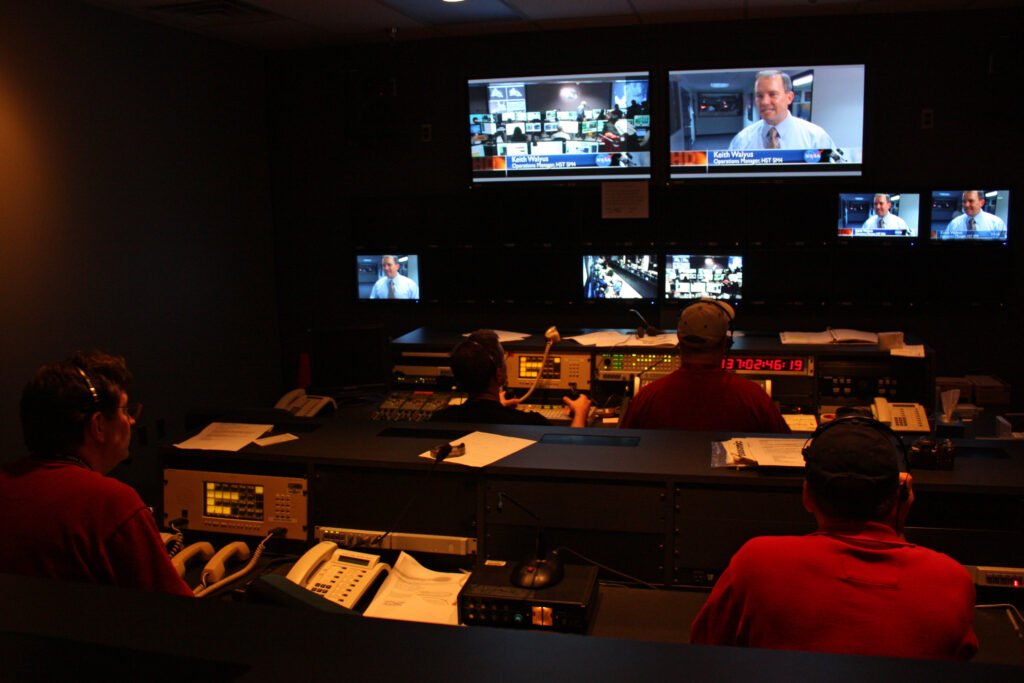
A television broadcast control room where regulated programming decisions are executed

Media Regulation

Media regulation shapes how outlets operate, who may own them, and what standards they must meet when broadcasting to the public. Licensing the Airwaves Because spectrum is a shared and finite resource, broadcasters typically operate under a government license tied to conditions such as public interest obligations and technical standards. Ownership and Content Rules Regulators

Media Regulation Read More »

Media regulation refers to the body of law and policy that governs broadcast licensing, content standards, and ownership limits across news organizations.

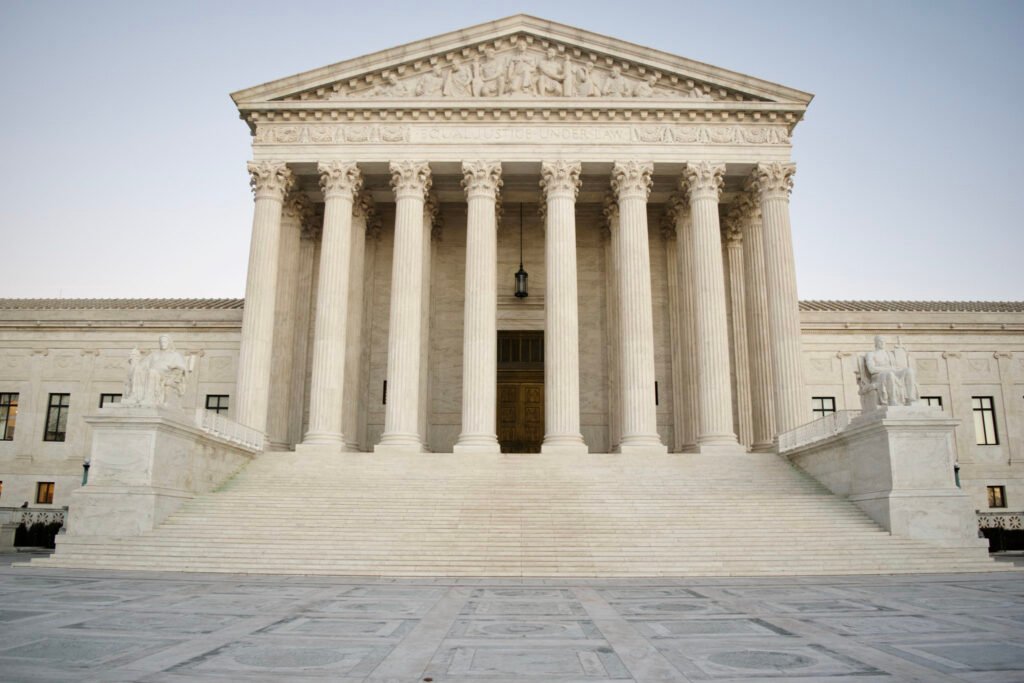
The Supreme Court building, where landmark rulings have shaped the legal doctrine against prior restraint

Prior Restraint

Prior restraint describes government efforts to stop speech before it reaches an audience, a practice that courts in many democracies view with deep skepticism. A Strong Presumption Against It Legal systems that protect press freedom generally require the government to meet an extremely high bar before a court will block publication in advance. Landmark Cases

Prior Restraint Read More »

Prior restraint is government action that blocks speech or publication before it occurs, treated with deep suspicion under most free press traditions.

A surveillance monitor wall illustrating the scale of personal data capture relevant to privacy rights

Privacy Rights in Media

Privacy rights in media address what a publisher may reveal about a person rather than whether the information published is accurate. Private Facts and Newsworthiness Courts frequently ask whether a disclosed fact is of legitimate public concern before allowing a privacy claim to proceed, since newsworthy information receives broader protection. Intrusion and Surveillance Separate from

Privacy Rights in Media Read More »

Privacy rights in media concern the legal and ethical limits on publishing private facts about individuals, balanced against the public interest in reporting.

A television reporter preparing to interview a source, the kind of newsgathering relationship shield laws aim to protect

Shield Laws

Shield laws give journalists a legal basis for refusing to disclose confidential sources, protecting the trust that makes investigative reporting possible. Scope of Protection Coverage differs widely: some statutes shield only source identity, while others extend to unpublished notes, raw footage, and other newsgathering material not yet made public. Limits on the Privilege The privilege

Shield Laws Read More »

Shield laws are statutes that protect journalists from being compelled to reveal confidential sources or unpublished material in legal proceedings.

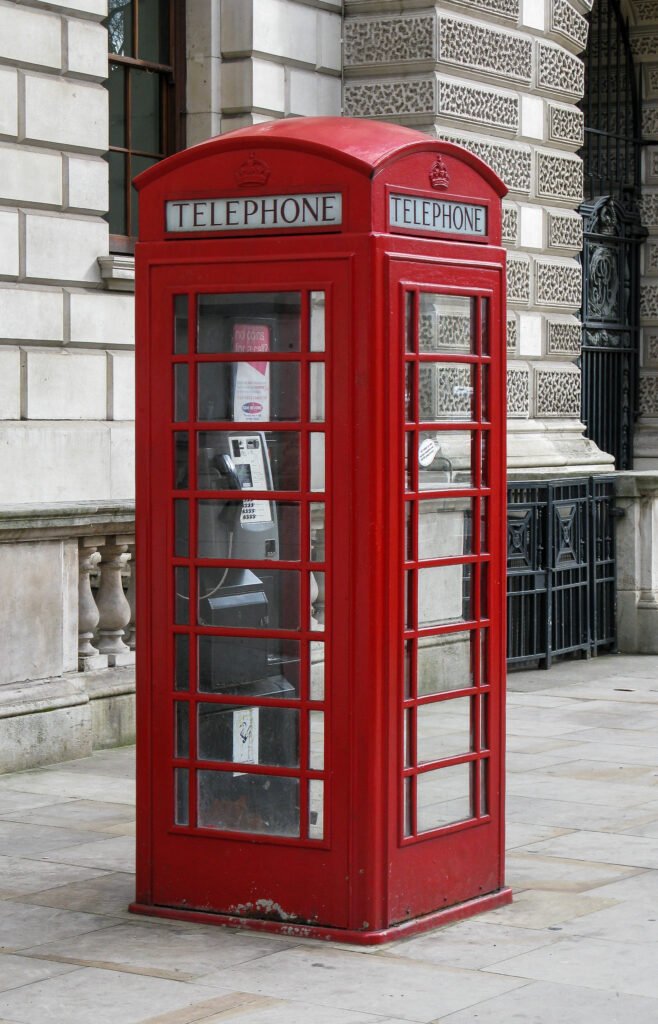
A red telephone box, evoking the anonymous tip lines reporters use to protect confidential sources

Source Confidentiality

Source confidentiality lets journalists gather information that would otherwise stay hidden, at the cost of asking readers to trust an unnamed voice. When Confidentiality Is Granted Reputable newsrooms reserve anonymity for cases where a source faces genuine risk, such as retaliation from an employer or physical danger, rather than granting it routinely. Internal Verification Even

Source Confidentiality Read More »

Source confidentiality is the journalistic practice of protecting the identity of a person who provides information under a promise of anonymity.