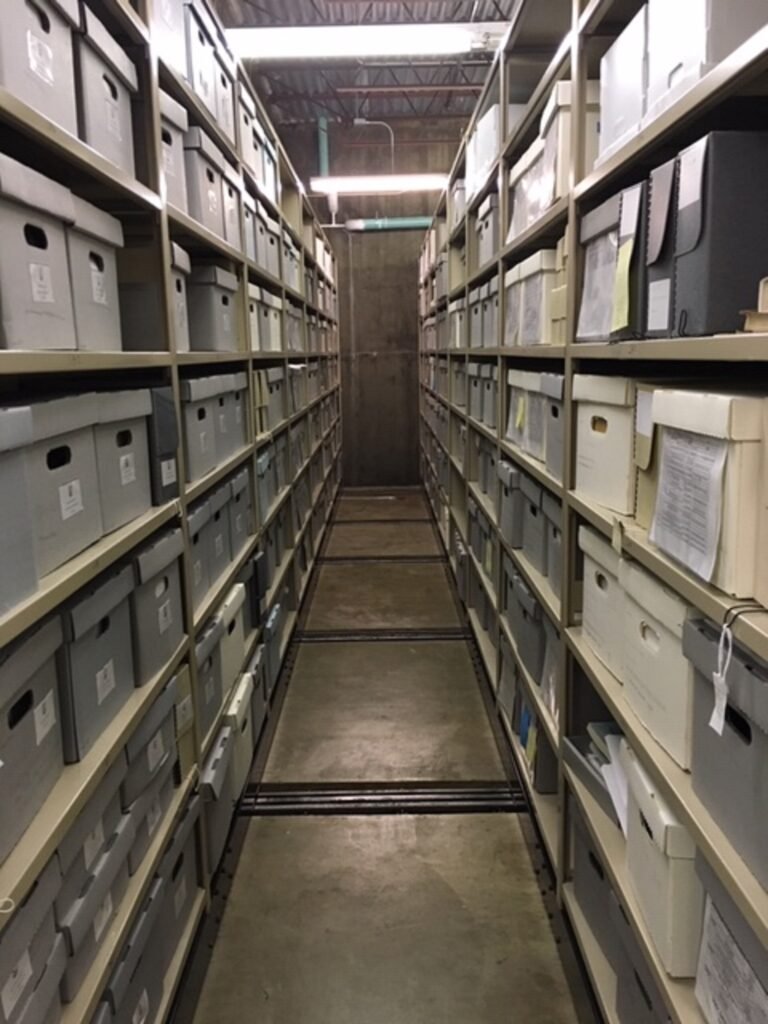
Deciding What to Keep Forever
Archival appraisal is the process of evaluating records to determine which deserve permanent preservation and which can eventually be destroyed, a task that directly shapes the historical record available to future researchers. Because no institution can realistically preserve everything indefinitely, appraisal decisions carry significant and lasting consequences.
Criteria for Appraisal
Archivists weigh several types of value when appraising records, including evidential value, documenting how an organization actually functioned, informational value, containing facts useful regardless of who created the record, and historical or research value for future scholarship. Records that score highly on these criteria typically warrant permanent retention.
Appraisal in an Era of Digital Abundance
The sheer volume of digital records now generated by any organization has intensified the importance and difficulty of appraisal, since digital creation costs little per item but digital preservation at scale still carries real ongoing costs, making sound appraisal judgment more important than ever rather than less.
Appraisal Documentation
Responsible archival practice requires documenting the reasoning behind appraisal decisions, not just the decisions themselves, since future archivists and researchers benefit from understanding why certain records were kept while related material was destroyed, particularly when reappraising a collection decades later.
Related Specialties
Appraisal connects closely with records retention scheduling, since both processes involve judging the ongoing value of records, though appraisal typically applies to records already identified as candidates for archival transfer rather than routine business records.
Looking Ahead for Appraisal Practice
Growing volumes of digital records have prompted interest in sampling and macro appraisal approaches that evaluate entire record creating functions rather than reviewing every individual document, a shift driven partly by the sheer impracticality of item level appraisal at digital scale.
International Perspectives on Appraisal
Appraisal traditions vary across countries, with some national archives operating under legally mandated review cycles for government records while others grant archivists considerably more professional discretion, reflecting different balances between legal accountability and professional judgment in how appraisal authority is structured.
Practical Guidance for Appraisal Decisions
Archivists conducting appraisal benefit from consulting with the records creator or their successors whenever possible, since firsthand knowledge of how records were actually used in practice often reveals value or context that is not apparent from examining the records alone without that institutional knowledge.
Re-appraisal of Existing Holdings
Some archives periodically reappraise material accessioned decades earlier under different institutional priorities or resource constraints, a sensitive process since deaccessioning previously retained material can raise significant ethical and professional concerns that appraisal of newly received material typically does not.
Economic Considerations
Permanent preservation carries real ongoing costs for storage, climate control, and staff time, meaning every appraisal decision to retain records indefinitely also represents a long term financial commitment that institutions must weigh seriously against competing budget priorities.
Looking Ahead for Appraisal Practice
Growing institutional awareness of the environmental and financial cost of digital storage at scale has renewed interest in appraisal rigor, pushing back against an assumption that digital storage is cheap enough to simply retain everything by default.
Professional appraisal training increasingly emphasizes documented, defensible decision frameworks rather than relying purely on individual archivist intuition, partly in response to past appraisal decisions that later proved controversial or difficult to justify.
Practical Guidance for New Archivists
Archivists new to appraisal benefit from reviewing documented appraisal decisions made by experienced colleagues on similar record types before making independent judgment calls, since appraisal expertise develops substantially through exposure to how seasoned professionals have reasoned through genuinely difficult cases.
Related Processing Decisions
Appraisal decisions directly determine what even enters the arrangement and description workflow, since records appraised for destruction never proceed to the detailed processing that permanently retained records eventually receive.
Some archival institutions have established formal appraisal committees rather than relying on individual archivist judgment alone, particularly for especially large or controversial collections where a single person decision might not carry sufficient institutional weight or diverse perspective.
Documented appraisal criteria specific to particular record types, developed and refined over years of institutional experience, help ensure consistency even as staff members change over time within an archive.
Public transparency about general appraisal criteria, even without disclosing every specific decision, has helped some institutions build greater donor and researcher trust in their collecting practices.
Some graduate archival science programs now include dedicated coursework specifically on appraisal theory and practice, reflecting growing recognition that this skill deserves more structured training than informal on the job learning alone traditionally provided.
Comparative appraisal studies examining decisions made by different institutions facing similar collections offer valuable calibration data for archivists refining their own professional judgment.
Institutions facing a particularly difficult appraisal decision sometimes consult peer archivists at comparable organizations informally, drawing on outside perspective before finalizing a determination with lasting consequences for the historical record.
Documentation standards for appraisal decisions continue to evolve as the profession grapples with growing volumes of digital material requiring faster decisions than traditional item level review allows.
Appraisal training exercises using deliberately ambiguous sample collections help new archivists build calibrated judgment before facing consequential decisions on real institutional holdings.
Written appraisal rationale statements, kept with the accession record, give future staff clear context for decisions made under different institutional conditions.
Institutions that revisit appraisal criteria every few years stay better aligned with evolving research interests and changing historical priorities.
Appraisal guidance documents shared across a regional archival network help smaller institutions benefit from accumulated collective experience.
Institutions that track appraisal outcomes over time can better evaluate whether past criteria still serve current research needs well.
Key facts
- Array
Quick checkWhy cannot archives simply keep every record they receive?Show answer
No archive has unlimited space, staff, or budget to preserve every record forever, so appraisal identifies which records carry enough enduring evidential, informational, or historical value to justify permanent preservation, while the remainder is eventually destroyed according to approved schedules.
Sources
- Array
Editorially reviewed by Specialty Digest Editorial TeamLast reviewed November 3, 2026Researched and drafted with AI assistanceReport an issue