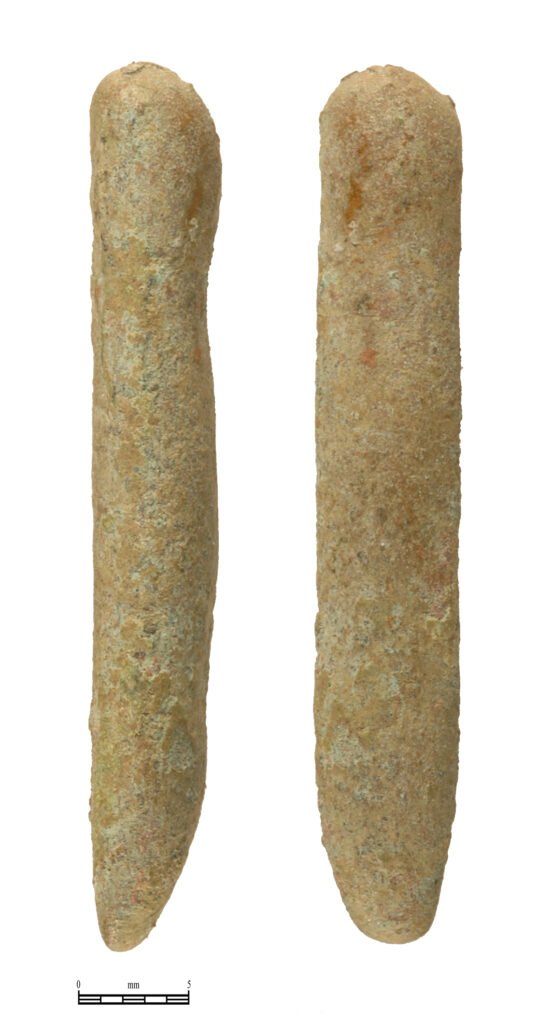
An alloy is a material made by combining a metal with one or more other elements, usually other metals or carbon, to produce a substance with properties different from any of its individual ingredients. Engineers and metallurgists create alloys because pure metals often lack the strength, hardness, corrosion resistance, or other qualities needed for a given application, while carefully chosen combinations can deliver exactly the balance of properties a product requires, from the steel in a suspension bridge to the titanium in an aircraft engine or a medical implant.
How Alloying Changes Material Properties
When different elements are combined at the atomic level, they disrupt the regular, uniform arrangement of atoms found in a pure metal, and this disruption is often exactly what makes an alloy stronger or harder than its base metal. Smaller atoms can squeeze into gaps between larger atoms, or similarly sized atoms can substitute for one another throughout the structure, both of which make it harder for the material to deform under stress. The specific combination and proportion of elements, along with how the alloy is cooled and processed, determines its final mechanical properties.
Common Alloys and Their Uses
Steel, an alloy of iron and carbon, is the most widely used alloy in the world, forming the structural backbone of buildings, bridges, vehicles, and countless tools. Stainless steel adds chromium, which forms a thin protective oxide layer that resists rusting and corrosion. Bronze, an alloy of copper and tin, was one of the earliest alloys developed by ancient civilizations and remains useful today for its corrosion resistance and low friction. Aluminum alloys, often combined with copper, magnesium, or zinc, offer a high strength-to-weight ratio prized in aerospace and automotive applications where reducing weight improves fuel efficiency and performance.
Ferrous and Non-Ferrous Alloys
Alloys are broadly divided into ferrous alloys, which are based on iron and include the many grades of steel and cast iron, and non-ferrous alloys, which are based on other metals such as aluminum, copper, titanium, or nickel. Ferrous alloys dominate heavy construction and manufacturing because of their strength and relatively low cost, while non-ferrous alloys are often chosen for applications demanding lighter weight, better corrosion resistance, or specific electrical or thermal properties that iron-based materials cannot easily provide.
Heat Treatment and Processing
Beyond composition alone, how an alloy is processed significantly affects its final properties. Heat treatment processes such as quenching, which rapidly cools a heated alloy, and tempering, which reheats it to a lower temperature afterward, can dramatically change hardness and toughness by altering the microscopic structure of the metal. Mechanical processes like rolling and forging can also strengthen alloys by refining their internal grain structure and aligning it in a favorable direction, which is why two pieces of metal with identical chemical composition can behave very differently depending on how they were manufactured and shaped before reaching a finished product.
History of Alloy Development
Alloying dates back to the Bronze Age, when ancient metalworkers discovered that combining copper with tin produced a harder, more useful metal than either element alone, a discovery significant enough to define an entire archaeological era across much of the ancient world. The development of steelmaking techniques in the nineteenth century, particularly the Bessemer process, made large-scale steel production dramatically cheaper, fueling the industrial expansion of railroads, skyscrapers, bridges, and heavy machinery across the growing industrialized world. The twentieth century brought systematic alloy design, aided by a rapidly growing scientific understanding of metallurgy and crystal structure, enabling specialized alloys engineered for extreme environments such as jet engines, spacecraft, and deep-sea equipment.
Specialty Alloys for Extreme Conditions
Beyond everyday structural and automotive alloys, engineers have developed specialty alloys for conditions ordinary metals cannot survive. Superalloys based on nickel or cobalt retain their strength at the extremely high temperatures found inside jet engine turbines, where ordinary steel would soften and fail. Titanium alloys combine high strength with low weight and excellent corrosion resistance, making them valuable in aerospace structures, medical implants that must coexist safely with the human body, and marine equipment exposed to saltwater. Shape-memory alloys, such as certain nickel-titanium combinations, can return to a predetermined shape after being bent or deformed, a property exploited in applications ranging from eyeglass frames to medical stents.
Recycling and Sustainability
Many alloys, particularly steel and aluminum, are highly recyclable, and recycling scrap metal generally requires far less energy than producing new metal from raw ore. Steel recycling rates are among the highest of any material category worldwide, supported by well-established scrap collection, sorting, and processing industries built up over many decades. Because different alloys cannot always be easily separated once combined or contaminated, alloy design increasingly considers how a product will eventually be recycled, alongside its performance during use, as manufacturers and regulators pay closer attention to the full lifecycle environmental impact of metal products, from mining through to final disposal or reuse.
FAQs
Why is steel an alloy rather than a pure metal?
Steel combines iron with a controlled amount of carbon, and sometimes other elements, which changes the metal’s internal structure to make it significantly stronger and harder than pure iron alone.
How does heat treatment change an alloy’s properties?
Heat treatment alters the microscopic arrangement of atoms within an alloy, which can increase hardness, improve toughness, or relieve internal stresses, allowing the same base material to be tailored for very different uses, from a flexible spring to a rigid structural beam.
Quick checkHow does heat treatment change an alloy properties?Show answer
Heat treatment alters the microscopic arrangement of atoms within an alloy, which can increase hardness, improve toughness, or relieve internal stresses.
Editorially reviewed by Specialty Digest Editorial TeamLast reviewed November 2, 2026Researched and drafted with AI assistanceReport an issue