Managing the Flow of Materials
Circulation services cover the everyday transactions that move materials between a library shelf and a patron hands: checkouts, returns, renewals, and the holds that let a patron reserve an item currently on loan to someone else. For many visitors, the circulation desk is the most frequent point of direct contact with library staff.
The Role of the Integrated Library System
Behind every checkout sits an integrated library system, software that records patron accounts, item records, and the rules governing loan periods for different formats. The system calculates due dates, applies fines or fees where a library still charges them, and flags overdue items for follow up, while also generating usage statistics that inform collection development decisions.
Self Service and Automation
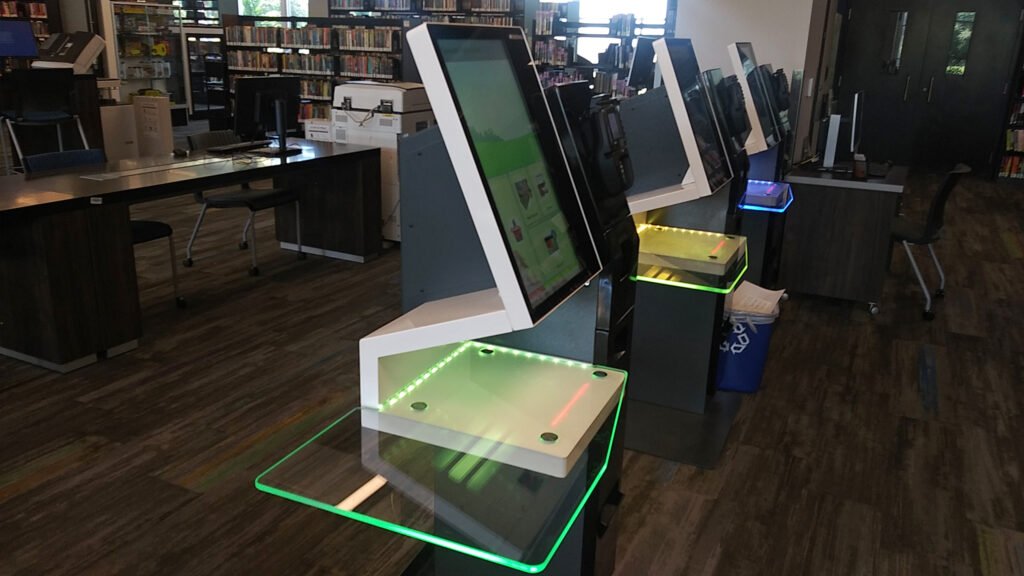
Many libraries now offer self checkout kiosks and automated return machines that let patrons complete transactions without staff assistance, freeing circulation staff for other tasks such as shelving, processing new materials, or helping patrons who need more support. Radio frequency identification tags embedded in items have made such automation faster and more reliable than older barcode only systems.
Holds, Renewals, and Fines
Patrons place holds on items currently checked out to someone else, and the system notifies them once the item becomes available. Many libraries now allow unlimited renewals as long as no other patron is waiting, and a growing number have eliminated overdue fines entirely in favor of simply restricting borrowing privileges until an item is returned.
Fine Free Movements
A growing number of library systems have eliminated overdue fines entirely, citing research suggesting that fines disproportionately burden lower income patrons and discourage return visits rather than meaningfully improving return rates. Libraries that have gone fine free typically still charge for lost or damaged items but have removed daily overdue charges from their circulation policies.
Circulation Data and Collection Insight
Every checkout transaction generates data that collection development staff use to understand which subjects, authors, and formats patrons actually use, informing future purchasing decisions far more precisely than guesswork alone could achieve. Circulation reports also reveal seasonal patterns, such as surges in travel guide checkouts before summer or tax guide checkouts early in the calendar year.
Security and Loss Prevention
Circulation systems work alongside security measures such as electromagnetic strips or radio frequency tags that trigger alarms if an item passes through exit gates without being properly checked out, reducing material loss while still allowing patrons to browse freely without constant staff supervision.
Privacy Considerations in Circulation Records
Library circulation records receive strong legal and professional privacy protection in many jurisdictions, reflecting a long standing ethical commitment to patron confidentiality about reading habits, and integrated library systems are typically configured to purge borrowing history once an item is returned rather than retaining a permanent record tied to each patron. This stands in contrast to many commercial retailers that retain detailed purchase history indefinitely.
Managing Holds Queues
Popular new releases can generate holds queues stretching into the hundreds of patrons, and circulation staff manage expectations through transparent queue position displays and policies limiting how many items a single patron can place on hold simultaneously. Libraries sometimes purchase additional copies of especially high demand titles specifically to shorten wait times during an initial surge of interest.
Looking Ahead for Circulation
Mobile library apps now let patrons manage holds, renewals, and account details without visiting a desk or website at all, continuing a long trend of pushing routine circulation transactions toward self service while reserving staff time for more complex patron interactions that genuinely benefit from human assistance.
International Perspectives on Circulation
Loan periods, renewal limits, and fine policies vary considerably between countries and even between neighboring library systems within the same country, reflecting differing philosophies about the balance between encouraging broad access and ensuring materials circulate fairly among many patrons.
Practical Guidance for Circulation Staff
New circulation staff benefit from hands on training with the integrated library system covering common scenarios such as processing holds, handling disputed fines, and managing damaged item reports, since the system software itself varies enough between vendors that general computer literacy alone does not guarantee comfort with a specific library platform.
Related Specialties
Circulation work connects closely with collection development, since circulation data directly informs purchasing decisions, and with security and facilities staff who manage the physical infrastructure that supports smooth checkout and return processes.
Staff training on circulation policy exceptions, such as waiving a fee for a documented hardship or extending a loan period during a declared emergency, helps ensure that frontline decisions remain consistent with library policy even when a situation falls outside the routine case the system handles automatically.
Circulation staff scheduling must also account for predictable seasonal surges, such as the start of a school year or the weeks before major holidays, when checkout volume for certain categories of material rises sharply above typical baseline levels.
Staff cross training between circulation and shelving duties helps smaller libraries maintain service continuity even when scheduling gaps or unexpected absences would otherwise leave a public service point uncovered.
Self checkout error rates and jam frequency are tracked by many systems administrators as a proxy for equipment health, prompting preventive maintenance before a malfunctioning kiosk creates long lines at a staffed circulation desk instead.
Clear signage explaining self checkout steps in multiple languages reflects the increasingly multilingual patron base many circulation departments now serve directly at the point of transaction.
Circulation reports broken down by branch location help a multi branch library system identify which locations might benefit from adjusted hours or staffing levels based on actual transaction volume patterns.
Key facts
- Array
Quick checkWhat role does an integrated library system play in circulation?Show answer
An integrated library system records which patron has borrowed which item, calculates due dates, manages holds and renewals, and generates the data libraries use to track usage across the whole collection.
Sources
- Array
Editorially reviewed by Specialty Digest Editorial TeamLast reviewed November 3, 2026Researched and drafted with AI assistanceReport an issue