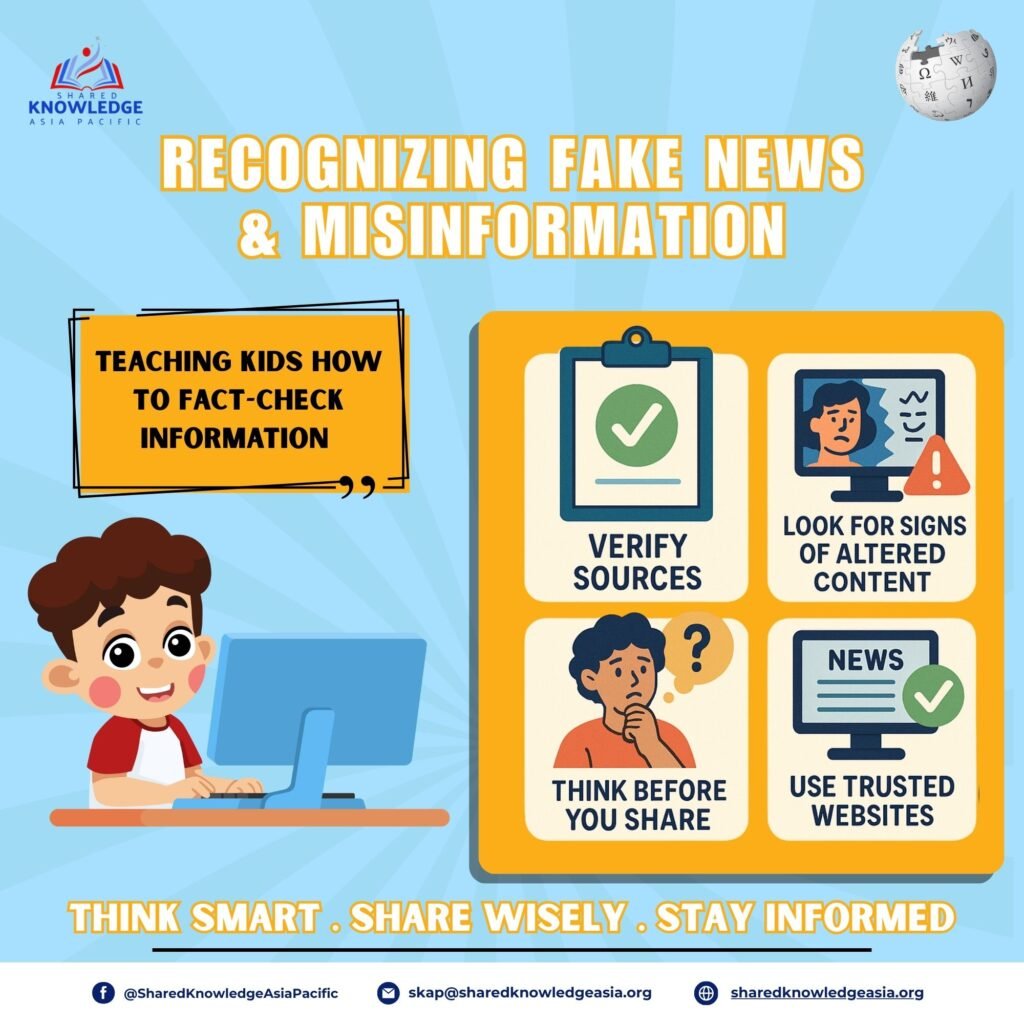
Fact-checking is the process of verifying the accuracy of claims, statements, or published content by comparing them against reliable sources, original documents, and expert knowledge before or after publication. It has become an increasingly formalized practice within journalism, with many news organizations employing dedicated fact-checkers and some outlets focusing entirely on verifying public statements and viral claims.
Methods and Standards
Fact-checkers typically trace claims back to their original source, consult primary documents and data, and seek comment from relevant experts or involved parties before rendering a judgment on accuracy. Rigorous fact-checking organizations publish their methodology and sourcing openly, allowing readers to evaluate the evidence behind a given conclusion rather than simply trusting the fact-checker authority on the matter alone.
Role in Public Discourse
Fact-checking has grown particularly prominent around political statements, viral social media content, and public health information, where the rapid spread of misinformation can have significant real-world consequences. Critics sometimes raise concerns about selection bias in which claims get checked, while fact-checking organizations argue that their work provides an essential public service in an information environment prone to rapid misinformation spread.
Technology and Automation
Growing volumes of claims circulating online have prompted development of automated and semi-automated fact-checking tools that can flag potentially false statements based on comparison with established databases of previously verified claims. While these tools can help prioritize which claims deserve closer human review, most fact-checking organizations maintain that nuanced judgment calls, particularly around context and intent, still require experienced human fact-checkers rather than fully automated systems.
Collaboration Across Organizations
Many fact-checking organizations participate in international networks that share methodology, best practices, and in some cases collaborate directly on checking claims that spread across multiple countries or languages simultaneously. These networks have become particularly important for addressing misinformation that spreads rapidly across borders, such as health claims during global disease outbreaks or unverified claims during major world events.
Funding Models
Many dedicated fact-checking organizations operate as nonprofits, relying on grants, donations, and sometimes partnerships with technology platforms seeking to reduce misinformation spread on their services. This funding structure has helped some fact-checking operations remain editorially independent from the political and commercial pressures that might otherwise influence which claims get prioritized for review.
Looking Ahead
The growing sophistication of synthetic media and manipulated images and video has created new challenges for fact-checkers, who increasingly need forensic media analysis skills alongside traditional claim verification. Continued growth in automated claim-detection tools is likely to shift fact-checker workload toward judgment-intensive cases while routine or previously debunked claims get flagged more efficiently by technology.
Related Specialties
Fact-checking connects closely to investigative journalism, since both rely on rigorous document analysis and source verification. It also overlaps with media literacy education, a field focused on helping the public evaluate information credibility independently.
Rating Systems and Public Reception
Many fact-checking organizations use simplified rating scales, such as labeling claims as true, false, or somewhere in between, to make their findings accessible to general audiences who may not read a full detailed explanation of the evidence. These rating systems have drawn both praise for making complex verification accessible and criticism from some who argue that simplified labels can oversimplify nuanced situations where a claim contains elements of both truth and inaccuracy.
Partnerships With Technology Platforms
Several major technology and social media companies have partnered with independent fact-checking organizations to help identify and label false or misleading content circulating on their platforms, though the effectiveness and consistency of these partnerships has been a subject of ongoing public debate. These arrangements raise questions about the appropriate role of private platforms in moderating speech based on fact-checker assessments, an issue that continues to generate significant policy discussion.
Fact-Checking Political Debates
Live political debates and speeches present particular challenges for fact-checkers, who must often verify claims rapidly in real time or shortly afterward while the public attention and news cycle around the event remains high. Some organizations now provide live fact-checking during major political events, a format that has grown increasingly common as audiences expect faster verification of contested claims made in real time.
International Fact-Checking Networks
Global networks connecting fact-checking organizations across different countries have helped standardize verification methodologies and share resources, particularly valuable when false claims spread across borders during major international events or health crises. These networks also provide a mechanism for smaller fact-checking operations in less-resourced media markets to access training and best practices developed by larger, more established organizations.
Some newsrooms now train general reporters in basic fact-checking techniques rather than relying solely on dedicated fact-checking staff, spreading verification skills more broadly across an organization.
Public trust surveys suggest that clearly labeled, well-sourced fact-checking content tends to be received more positively than unlabeled claims about accuracy embedded within regular news coverage.
Academic researchers have studied how fact-checking affects reader beliefs, generally finding it can shift opinions somewhat though deeply held beliefs tied to identity or ideology often prove more resistant to correction.
Some fact-checking organizations now produce educational content aimed at helping the public develop independent verification skills rather than relying solely on professional fact-checkers.
Fact-checking units increasingly track and catalog recurring false claims that resurface periodically, allowing them to respond more quickly when a previously debunked assertion circulates again in a new context.
Collaboration between fact-checkers and academic researchers has grown, helping ground verification methodology in broader research on misinformation spread and correction effectiveness.
Some fact-checking teams now publish periodic reports summarizing broader misinformation trends they have observed, providing useful context beyond individual claim verifications alone.
Key facts
- Traces claims to original sources and primary documents; practiced by dedicated newsroom units and standalone organizations; central to countering misinformation.
Quick checkWhat is a key standard for rigorous fact-checking organizations?Show answer
Publishing their methodology and sourcing openly so readers can evaluate the evidence themselves.
Sources
- Based on general journalism verification and fact-checking practice literature.
Editorially reviewed by Specialty Digest Editorial TeamLast reviewed November 3, 2026Researched and drafted with AI assistanceReport an issue