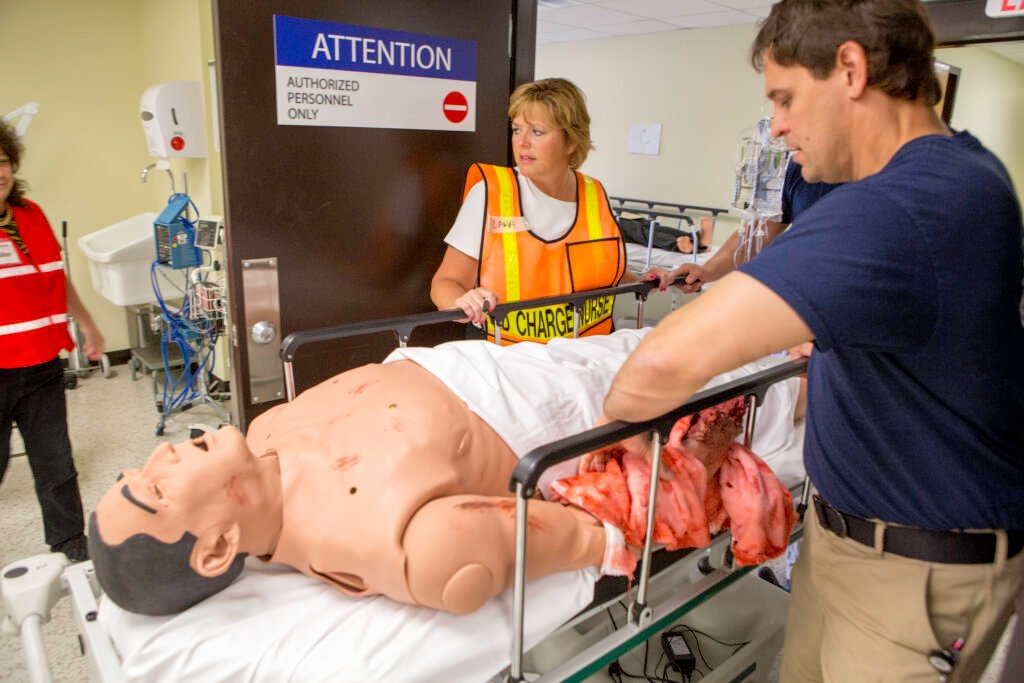
A hazard vulnerability analysis is a structured planning tool used primarily by hospitals, healthcare systems, and emergency management organizations to systematically identify potential hazards and assess the organization relative vulnerability to each one, informing where emergency preparedness resources should be concentrated. Unlike a general risk assessment that might focus narrowly on likelihood and severity, this analysis explicitly incorporates existing organizational capacity and mitigation measures into its evaluation.
n
Core Evaluation Factors
n
A typical hazard vulnerability analysis evaluates each potential hazard scenario across several dimensions, including the probability of the event occurring, the potential human impact in terms of injuries or fatalities, the potential property impact, and the organization existing preparedness and response capability for that specific scenario. Combining these factors produces a relative risk score for each hazard, allowing planners to identify which scenarios represent the greatest combination of likely occurrence and inadequate current preparedness.
n
Application in Healthcare Settings
n
Healthcare facilities are frequently required by accreditation standards to conduct hazard vulnerability analyses covering natural hazards, technological hazards, and human-caused hazards relevant to their specific location and operations, using the results to guide emergency operations planning and resource allocation. Because the specific hazard profile varies significantly between, for example, a coastal hospital facing hurricane risk and an inland facility facing different seasonal weather patterns, the analysis is typically customized to reflect each facility actual geographic and operational context rather than applying a generic, one-size-fits-all hazard list.
n
Scoring and Prioritization Methodology
n
Many hazard vulnerability analysis tools use a structured scoring methodology that assigns numerical values to probability, human impact, property impact, and existing preparedness for each hazard scenario, then combines these values into a composite score used to rank hazards from highest to lowest priority. This structured approach helps ensure that limited emergency preparedness resources are directed toward the scenarios representing the greatest combination of plausible occurrence and significant potential consequence, rather than being spread evenly across every conceivable hazard regardless of its actual relative importance.
n
Periodic Reassessment
n
Because an organization risk profile and preparedness capability can change over time due to factors such as new construction, changing surrounding community conditions, or improvements in response capability, hazard vulnerability analyses require periodic reassessment rather than being treated as a one-time exercise. Many accreditation standards specifically mandate this reassessment on a defined cycle, ensuring that emergency preparedness planning continues to reflect current conditions rather than an outdated snapshot of risk from years earlier.
n
Beyond Healthcare Applications
n
Although most closely associated with healthcare accreditation requirements, the hazard vulnerability analysis methodology has been adapted by other sectors, including schools, government agencies, and private businesses seeking a structured approach to emergency preparedness prioritization beyond what a generic risk assessment alone might provide. This broader adoption reflects growing recognition across many types of organizations that effective preparedness requires understanding not just what hazards exist, but how genuinely ready the specific organization currently is to respond to each one.
n
Translating Results into Planning Priorities
n
The output of a hazard vulnerability analysis most directly informs emergency operations planning, training priorities, and resource allocation decisions, helping ensure that limited preparedness budgets and training time are directed toward the highest-priority scenarios identified through the analysis rather than spread evenly across every conceivable hazard regardless of its actual relative importance to that specific organization.
n
Summary of Protective Role
n
By explicitly incorporating existing organizational capacity alongside hazard probability and severity, the hazard vulnerability analysis helps organizations direct preparedness investment toward the gaps that matter most, rather than assuming uniform vulnerability across every conceivable hazard scenario regardless of how well-prepared the organization already happens to be for each one.
n
Stakeholder Involvement in the Process
n
Conducting a thorough hazard vulnerability analysis typically benefits from input across multiple departments and organizational levels, since different stakeholders often possess distinct knowledge relevant to accurately assessing probability, impact, and existing preparedness for different hazard scenarios, and a narrowly conducted analysis relying on only one perspective risks missing important considerations that a broader stakeholder group would have identified.
n
Revisited regularly, the analysis keeps emergency preparedness planning grounded in an organization actual, current risk profile rather than an outdated assumption.
n
Final Considerations
n
Few planning tools so directly connect an honest assessment of current capability to concrete decisions about where to invest limited preparedness resources next.
n
That clarity of purpose is what makes the methodology so enduringly useful across such varied organizational contexts.
n
That focus on actual capability, not just hazard existence, is what gives the analysis its distinctive practical value.
n
Closing Perspective
n
As organizations face a widening set of plausible emergencies, from natural disasters to technological failures, this grounded, capability-aware approach to prioritization remains essential to effective preparedness planning.
n
Few tools so effectively turn honest self-assessment into concrete, actionable planning priorities.
n
Organizations that revisit it regularly stay genuinely ready rather than merely assuming they are.
n
A hazard vulnerability analysis is only as useful as the planning decisions it informs afterward. Facilities that connect the analysis directly to resource allocation, training priorities, and emergency plan updates get far more value from the exercise than those that complete it once and set it aside. Revisiting the analysis after any significant change, a new wing, a shift in regional risk, a change in occupancy, keeps the resulting priorities aligned with the facility as it actually exists today rather than as it existed when the original analysis was performed.
n
This ongoing alignment between analysis and current reality is what makes the exercise genuinely useful rather than a one-time compliance document.
n
A plan built on outdated assumptions can leave a facility exposed precisely where it believes itself to be well prepared.
Key facts
- Array
Sources
- Array
Editorially reviewed by Specialty Digest Editorial TeamLast reviewed November 3, 2026Researched and drafted with AI assistanceReport an issue