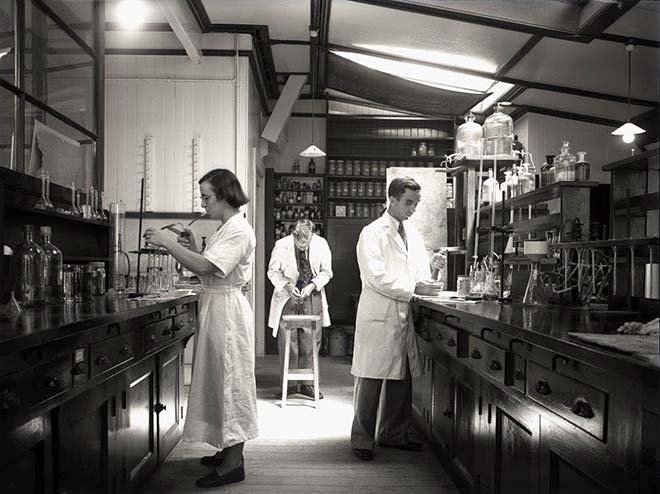
Industrial hygiene, sometimes called occupational hygiene, is the scientific discipline concerned with anticipating, recognizing, evaluating, and controlling workplace conditions that may cause worker injury, illness, or other adverse health effects, spanning chemical, physical, biological, and ergonomic hazards found across virtually every industry.
The discipline is often summarized through its four core functions: anticipating hazards before they arise, recognizing hazards already present in a workplace, evaluating the magnitude and significance of those hazards through measurement and analysis, and controlling identified hazards through appropriate engineering, administrative, or protective measures. This structured approach distinguishes industrial hygiene from more general safety practice by its strong grounding in measurement science and quantitative exposure assessment.
Types of Hazards Addressed
Industrial hygienists address a wide range of hazard categories, including chemical hazards such as toxic fumes and dusts, physical hazards such as noise and radiation, biological hazards such as mold and infectious agents, and ergonomic hazards related to repetitive motion or awkward postures, requiring broad scientific knowledge spanning chemistry, physics, biology, and human factors engineering.
Professional Practice and Certification
Many industrial hygienists hold professional certification, such as the Certified Industrial Hygienist credential, which requires meeting education and experience requirements and passing a rigorous examination covering the full breadth of the field, reflecting the discipline reliance on technical expertise that general safety training alone does not typically provide.
Relationship to Occupational Medicine
Industrial hygiene works closely with occupational medicine, with industrial hygienists focused on identifying and controlling workplace hazards while occupational physicians focus on diagnosing and treating work-related health effects, the two disciplines together forming a complementary approach to protecting worker health from both the exposure and the medical response sides of the same underlying problem.
n
Historical Development
n
Industrial hygiene emerged as a distinct field in the early twentieth century as factory work exposed large numbers of people to concentrated chemical and physical hazards for the first time in history. Early pioneers documented diseases among workers in trades such as mining, pottery making, and match production, linking specific occupational exposures to specific illnesses. These early investigations established the basic premise of the field, that workplace disease is often preventable once its cause is correctly identified and controlled, a premise that continues to guide the profession today.
n
Regulatory Framework
n
Modern industrial hygiene practice operates within a framework of regulatory exposure limits and consensus-based guidelines set by government agencies and professional organizations. These limits specify airborne concentrations of specific substances considered acceptable for repeated exposure, and they form the benchmark against which measured workplace conditions are judged. Because scientific understanding of chemical toxicity continues to evolve, many of these limits are periodically reviewed, and industrial hygienists are expected to stay current with both regulatory requirements and emerging research.
n
Industrial Hygiene in Practice
n
A typical industrial hygiene program begins with a comprehensive survey of the workplace to identify potential hazards across chemical, physical, biological, and ergonomic categories. Once hazards are identified, the hierarchy of controls guides decision making, favoring elimination or substitution of the hazard first, followed by engineering controls such as ventilation, administrative controls such as work scheduling, and personal protective equipment as a last line of defense. This structured approach ensures that the most effective and durable solutions are considered before relying on measures that depend heavily on consistent worker behavior.
n
Collaboration with Other Disciplines
n
Industrial hygienists frequently work alongside safety professionals, occupational physicians, nurses, and engineers to address workplace health holistically. While safety professionals often focus on preventing acute injuries from accidents, industrial hygienists concentrate on longer-term health effects from chronic or repeated exposure, and the two perspectives complement each other within a comprehensive occupational health and safety program. This collaborative structure reflects the recognition that protecting worker health requires attention to both immediate hazards and cumulative exposures over time.
n
Looking Ahead
n
Industrial hygiene continues to evolve alongside changes in workplace technology and emerging materials. New manufacturing processes, nanomaterials, and chemicals entering widespread use often outpace the development of specific exposure limits, requiring hygienists to apply general toxicological principles and precautionary approaches when established guidance is not yet available. Advances in sensor technology are also making real-time, continuous exposure monitoring more accessible, moving the field gradually away from reliance on periodic snapshot sampling toward more dynamic, ongoing assessment of workplace conditions.
n
Career Pathways
n
Professionals enter industrial hygiene through varied academic backgrounds, including chemistry, biology, engineering, and public health, often supplemented by specialized coursework in toxicology, ventilation design, and exposure assessment methods. Many practitioners pursue professional certification to demonstrate competency, which typically requires a combination of education, documented work experience, and successful completion of a comprehensive examination covering the breadth of the field. Continuing education remains important throughout a career, since both regulatory requirements and the hazards themselves evolve over time as new chemicals and processes enter widespread use.
n
Scope Across Industries
n
Industrial hygiene principles apply across an enormous range of industries, from heavy manufacturing and mining to healthcare, agriculture, and even office environments where indoor air quality concerns arise. The specific hazards and priority concerns differ substantially between these settings, but the underlying methodology of anticipating, recognizing, evaluating, and controlling hazards remains consistent, allowing trained hygienists to apply their core skill set across a wide variety of work environments throughout a career.
n
Taken together, these elements position industrial hygiene as a practical, evidence-based discipline focused on preventing illness before it occurs rather than simply responding once harm has already taken place.
n
This preventive orientation distinguishes industrial hygiene from purely reactive approaches to workplace health, emphasizing that most occupational illness is foreseeable and avoidable given adequate hazard recognition and timely control.
Key facts
- Array
Quick checkWhat four core functions does industrial hygiene practice typically involve?Show answer
Industrial hygiene practice is often summarized as anticipating, recognizing, evaluating, and controlling workplace hazards, covering the full process from identifying a potential hazard before it causes harm through implementing measures that reduce or eliminate worker exposure.
Sources
- Array
Editorially reviewed by Specialty Digest Editorial TeamLast reviewed November 3, 2026Researched and drafted with AI assistanceReport an issue