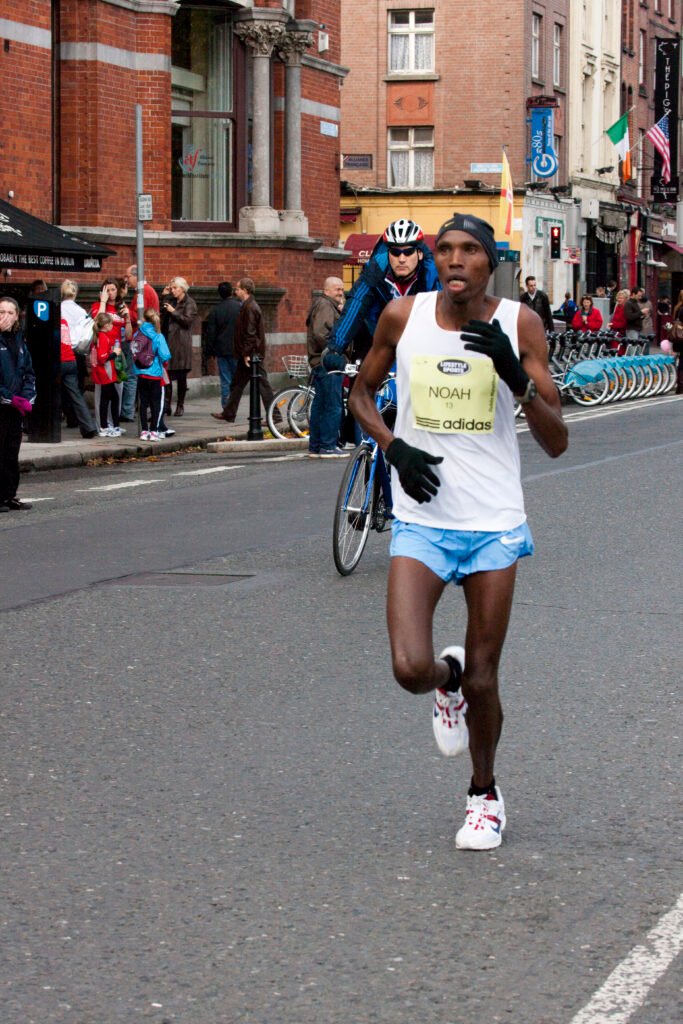
Overtraining syndrome is a condition caused by an extended imbalance between training stress and recovery, in which an athlete’s performance declines despite continued or increased training effort, accompanied by persistent fatigue, mood disturbances, and other physiological symptoms that do not resolve with short periods of rest. It differs from the normal, temporary fatigue athletes experience after a hard training block, called overreaching, which typically resolves within days to a couple of weeks of reduced training and can even leave an athlete performing better than before, whereas overtraining syndrome can take weeks to months of significantly reduced training to fully resolve.
Overreaching Versus Overtraining
Functional overreaching, a planned short-term increase in training load followed by adequate recovery, is a deliberate and often effective strategy coaches use to drive adaptation, since the temporary dip in performance is typically followed by a rebound to a higher performance level once recovery occurs, a phenomenon sometimes called supercompensation. Nonfunctional overreaching occurs when this recovery period is cut short or training continues to escalate, and if that pattern persists long enough without adequate correction, it can progress into full overtraining syndrome, a more severe and far longer-lasting state that is considerably harder to reverse.
Common Symptoms
Overtraining syndrome presents with a wide range of symptoms that vary somewhat between individuals, commonly including persistent fatigue that does not improve with normal rest, declining performance despite maintained or increased training, disturbed sleep, mood changes including irritability, depression, and loss of motivation for training, and an elevated resting heart rate or disrupted heart rate variability. Increased susceptibility to illness and injury is also common, since chronic training stress without adequate recovery can suppress immune function and leave connective tissues inadequately repaired between sessions.
Underlying Physiological Mechanisms
Researchers believe overtraining syndrome involves disruption across multiple interconnected systems, including dysregulation of the hypothalamic-pituitary-adrenal axis, which governs the body’s stress hormone response, chronic low-grade inflammation, and depleted glycogen stores and altered neurotransmitter levels that affect both physical performance and mood. The exact combination and sequence of these disruptions likely varies between individuals and types of training, which is part of why no single definitive diagnostic test for overtraining syndrome currently exists, and diagnosis instead relies on a pattern of symptoms combined with ruling out other possible medical causes.
Risk Factors
Athletes at highest risk typically combine high training volumes or intensities with inadequate recovery time, insufficient sleep, poor nutrition, especially inadequate carbohydrate or overall caloric intake relative to training demands, and significant non-training life stress, which appears to compound with training stress rather than remaining separate from it. Endurance athletes training for events like marathons and triathlons, along with athletes in sports with demanding competition schedules and limited off-seasons, are particularly susceptible, though overtraining syndrome can occur in any sport or training context where the balance between stress and recovery is chronically mismanaged.
Prevention and Recovery
Prevention relies heavily on systematic training load monitoring, periodized programming that builds in planned recovery periods, adequate sleep and nutrition, and athletes and coaches paying attention to early warning signs like unexplained performance plateaus or declines before they progress further. Recovery from established overtraining syndrome generally requires a substantial reduction in training load, sometimes including extended periods of near-complete rest, for a duration that can range from several weeks to many months depending on severity, which is why prevention through careful training management is considered far more effective than attempting to treat the condition after it has fully developed.
Monitoring Training Load
Many coaches and sports scientists now use systematic training load monitoring to catch the warning signs of overreaching before they progress toward overtraining syndrome, combining objective measures such as GPS-tracked distance and speed, heart rate data, and heart rate variability with subjective measures like athlete-reported perceived exertion, sleep quality, and mood questionnaires. The ratio between an athlete’s recent acute training load and their longer-term chronic training load, sometimes called the acute-to-chronic workload ratio, has become a widely used tool for flagging periods where training demands are rising faster than an athlete’s body has adapted to handle, although researchers continue to debate exactly how predictive this specific metric is across different sports and individuals.
Psychological questionnaires designed specifically to screen for overtraining, which ask athletes to rate factors like mood, sleep quality, muscle soreness, and motivation on a regular basis, can help identify a developing negative trend before it becomes severe enough to clearly impair performance. Because overtraining syndrome develops gradually and its early symptoms, like mild fatigue or reduced motivation, can easily be dismissed as normal training stress, regular and consistent monitoring over weeks and months is generally more useful than any single measurement taken in isolation.
Team environments add a layer of complexity to prevention, since individual athletes on the same training program can respond very differently to identical training loads based on factors like sleep habits, outside stress, nutrition, and genetics, meaning a program appropriately challenging for one athlete may already be excessive for another. This has pushed many sports organizations toward more individualized training load management rather than applying a single standardized program to an entire team or training group, using the kind of ongoing monitoring data described above to adjust each athlete’s training demands based on their own observed recovery patterns.
FAQs
What’s the difference between normal training fatigue and overtraining syndrome?
Normal fatigue from hard training, called overreaching, typically resolves within days to two weeks of reduced training, while overtraining syndrome persists much longer and requires a substantial, extended reduction in training to resolve.
Why is there no single definitive test for overtraining syndrome?
It involves disruption across multiple interconnected systems, including hormonal, immune, and neurological changes, that vary between individuals, so diagnosis relies on a pattern of symptoms rather than one specific measurable marker.
Quick checkWhat is functional overreaching and how is it different from overtraining syndrome?Show answer
Functional overreaching is a planned, short-term increase in training load followed by recovery that often improves performance, while overtraining syndrome is a longer-lasting, unresolved state that develops when recovery is chronically inadequate.
Editorially reviewed by Specialty Digest Editorial TeamLast reviewed November 2, 2026Researched and drafted with AI assistanceReport an issue