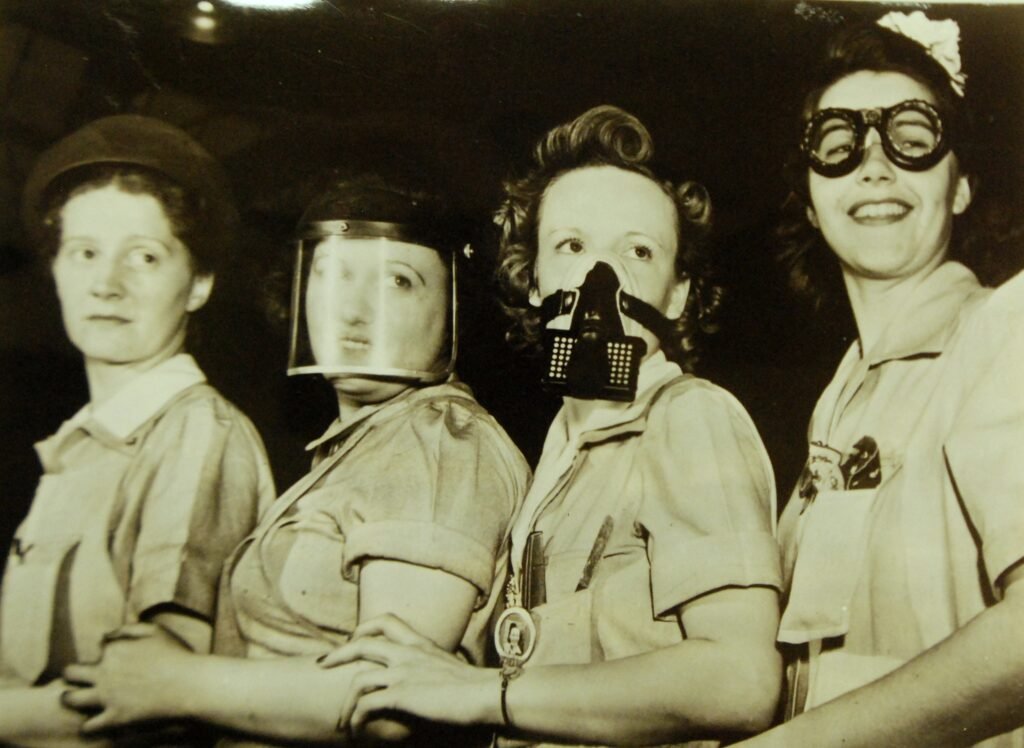
A permissible exposure limit, commonly abbreviated PEL, is the maximum concentration of a hazardous substance that a worker may legally be exposed to in workplace air over a specified period of time, set and enforced by the Occupational Safety and Health Administration for a wide range of industrial chemicals and dusts.
Most permissible exposure limits are expressed as an eight-hour time-weighted average, meaning the average concentration over a full standard workday must stay below the specified threshold, even if short-term peaks briefly exceed it. Some substances also carry a short-term exposure limit or a ceiling limit, placing additional restrictions on brief, high-intensity exposure that an eight-hour average alone might not adequately capture.
Scientific and Regulatory Basis
Permissible exposure limits are intended to reflect the concentration below which most workers can be repeatedly exposed without experiencing adverse health effects, based on available toxicological and epidemiological evidence at the time the limit was established. Critics have long noted that many current OSHA permissible exposure limits have not been updated since their original adoption decades ago, even as more recent scientific research has suggested lower exposure thresholds would better protect worker health.
Comparison with Other Exposure Guidelines
Permissible exposure limits are legally enforceable, distinguishing them from voluntary guideline values published by other organizations, such as threshold limit values, which represent professional recommendations but do not carry the same regulatory force unless separately adopted into enforceable standards.
Monitoring and Compliance
Employers are generally required to monitor workplace air concentrations for regulated substances where exposure is likely to approach or exceed the permissible limit, and where monitoring reveals exceedance, employers must implement engineering controls, administrative controls, or personal protective equipment to bring exposure back within the legal limit.
Economic Considerations
Bringing workplace exposure levels below a permissible exposure limit often requires investment in engineering controls such as ventilation systems or process modifications, representing a potentially significant capital cost that employers must weigh against the regulatory requirement and the underlying worker health protection the limit is intended to provide.
International Perspectives
Permissible exposure limits and equivalent regulatory values vary considerably between countries, with some national authorities setting substantially more protective limits than OSHA current standards based on more recent scientific evidence, creating a patchwork of different legal thresholds for the same substance across different jurisdictions.
Looking Ahead
Ongoing scientific research into the health effects of workplace chemical exposure continues to inform calls for updating many permissible exposure limits that safety advocates argue no longer reflect current best understanding of safe exposure thresholds for several widely used industrial substances.
Related Specialties
Determining and monitoring compliance with permissible exposure limits draws heavily on industrial hygiene expertise, including air sampling techniques and statistical analysis of exposure data, and many organizations employ certified industrial hygienists specifically to manage this aspect of their safety program.
Action Levels
Many OSHA standards define an action level set below the full permissible exposure limit, triggering additional requirements such as more frequent monitoring or medical surveillance once exposure reaches this lower threshold, providing an early warning mechanism before exposure actually reaches the legally enforceable limit itself.
Medical Surveillance Requirements
For certain substances with significant chronic health effects, OSHA standards require medical surveillance programs, periodically monitoring the health of exposed workers through medical examinations, even when workplace air monitoring suggests exposure remains below the permissible limit, providing an additional layer of health protection beyond engineering and administrative controls alone.
These medical surveillance requirements recognize that air monitoring alone cannot fully capture an individual worker actual exposure history or detect early signs of health effects that periodic medical examination might reveal before they become more serious.
Role of Personal Protective Equipment
When engineering and administrative controls cannot reliably keep exposure below the permissible limit, employers may rely on personal protective equipment such as respirators, though occupational safety practice generally treats this as a lower priority control, to be used in combination with or as a supplement to other measures rather than as the primary or sole method of exposure control.
This preference reflects the general recognition that personal protective equipment depends on correct and consistent use by the individual worker, making it inherently less reliable as a stand-alone solution compared with engineering controls that reduce the hazard itself regardless of individual behavior.
Related Specialties
Setting and revising permissible exposure limits draws on toxicology, epidemiology, and risk assessment expertise, with scientific advisory committees often reviewing extensive research literature before recommending that a regulatory agency consider updating a given substance exposure limit.
Workers who believe their symptoms may be related to chemical exposure, even where workplace monitoring indicates exposure below the applicable permissible limit, are generally encouraged to raise the concern with their employer or a medical professional rather than assuming compliance with a legal limit guarantees the absence of any adverse health effect.
Keeping air monitoring equipment properly calibrated and operated by trained personnel is essential, since inaccurate readings can create a false sense of compliance even when actual worker exposure substantially exceeds the applicable limit.
Organizations that treat monitoring equipment maintenance as a low priority often discover the consequences only when a serious exposure-related health issue eventually surfaces.
A documented calibration schedule, reviewed regularly by a designated staff member, helps ensure this basic but essential maintenance step does not quietly lapse over time.
Pairing calibration checks with routine equipment maintenance visits is an efficient way to keep this on schedule without adding a separate administrative burden.
This small operational adjustment can meaningfully reduce the risk of a missed calibration going unnoticed for an extended period.
Key facts
- Array
Quick checkHow is a permissible exposure limit typically expressed?Show answer
A permissible exposure limit is typically expressed as an eight-hour time-weighted average concentration, representing the average airborne exposure level considered legally acceptable over a standard full workday.
Sources
- Array
Editorially reviewed by Specialty Digest Editorial TeamLast reviewed November 3, 2026Researched and drafted with AI assistanceReport an issue