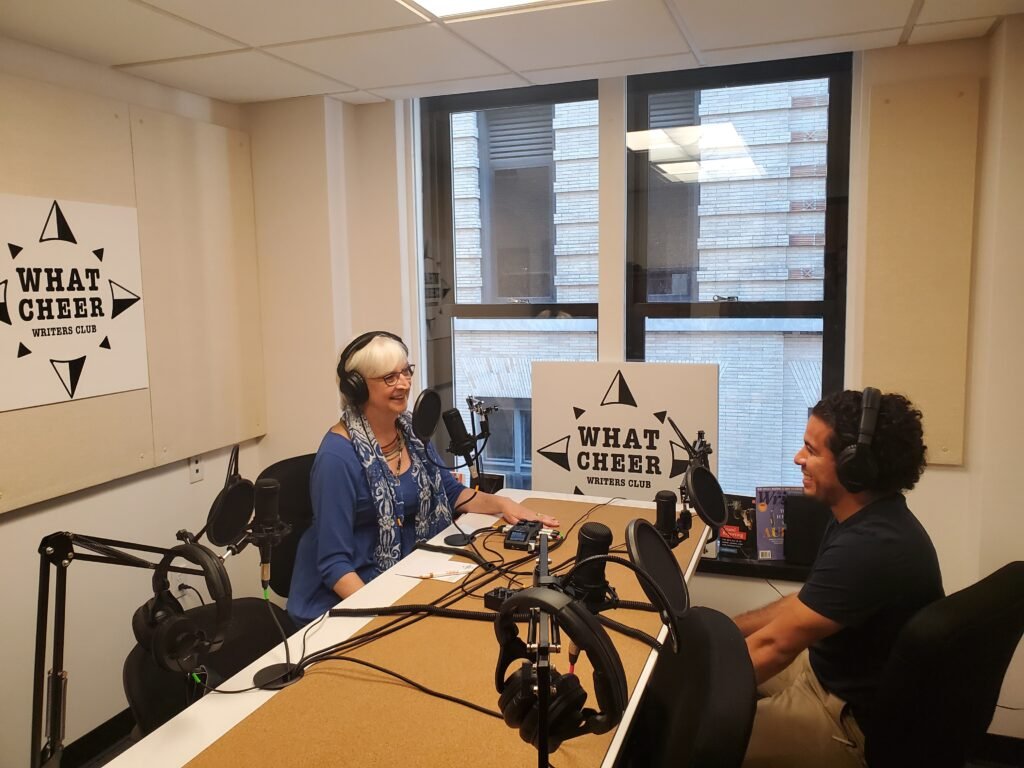
Podcasting refers to the production and distribution of episodic audio content that listeners can download or stream on demand, typically through dedicated podcast applications or platforms. It has grown into a significant news and media format, allowing journalists and commentators to explore topics in greater depth than traditional broadcast segments typically allow.
Production Process
Podcast production generally involves recording audio, editing for pacing and clarity, adding music or sound design elements, and distributing the finished episode through hosting platforms that generate the technical feed used by podcast applications. Many news organizations now maintain dedicated podcast teams producing both daily news-focused shows and longer-form investigative or narrative audio series.
Role in Modern Media
Podcasting has provided an accessible entry point for independent journalists and commentators to reach audiences without needing traditional broadcast infrastructure, contributing to a more fragmented but also more diverse media landscape. Advertising and subscription models have emerged as primary revenue sources for podcasts, with some shows reaching audiences large enough to rival traditional broadcast programming in both reach and commercial value.
Discovery and Distribution
Podcasts are typically distributed through a technical format called an RSS feed, which podcast applications use to check for and download new episodes automatically once a listener subscribes to a given show. Discovery remains a persistent challenge in podcasting, since the format lacks the centralized algorithmic recommendation systems common on video or social platforms, pushing many creators to rely heavily on cross-promotion, social media marketing, and word-of-mouth referrals to grow an audience.
News Organizations and Podcast Strategy
Many news organizations have developed podcast strategies specifically designed to deepen audience relationships beyond their core written or broadcast content, often using daily news podcasts to provide a consistent touchpoint with listeners during commutes or other routine moments. Investigative and narrative podcast series, modeled after successful true crime and documentary formats, have also become a significant growth area for news organizations seeking original long-form audio content.
Economic Considerations
Podcast advertising has grown into a significant industry segment, with rates often tied to measured downloads and demonstrated audience engagement rather than simple reach alone, reflecting advertiser interest in the format perceived intimacy and listener attention. Production costs for podcasts vary enormously, from minimal setups requiring just a microphone and editing software to elaborate narrative productions involving full production teams, sound design, and extensive research comparable to documentary filmmaking.
Looking Ahead
Growing interest in video podcasting, where audio shows are simultaneously recorded and distributed as video content, reflects podcasting continued evolution toward multi-format distribution strategies that reach audiences across different consumption preferences. Artificial intelligence transcription and translation tools are also expanding podcast accessibility and international reach, allowing shows to reach audiences who might otherwise be excluded by language or hearing barriers.
Related Specialties
Podcasting connects closely to video news production, given the growing trend toward video podcast formats. It also overlaps with subscription news models, as premium podcast content and ad-free listening have become common subscription incentives offered by publishers.
Audio Quality and Production Values
Listener expectations for podcast audio quality have risen considerably as the format has matured, pushing even smaller independent creators to invest in reasonably good microphones and basic sound editing to remain competitive against increasingly polished professional productions. Poor audio quality remains one of the most commonly cited reasons listeners abandon a podcast early, making this a particularly important production consideration despite podcasting lower overall barrier to entry compared with video production.
Advertising Formats
Podcast advertising commonly takes the form of host-read advertisements integrated directly into episode content, a format advertisers often favor for its perceived authenticity and the trust listeners place in a familiar podcast host voice. This advertising approach differs significantly from the more impersonal, algorithmically inserted advertising common on other digital media formats, representing a distinctive aspect of podcast monetization.
Podcast analytics have grown more sophisticated over time, though measuring true audience size remains more difficult than for platforms with centralized viewing data, since downloads do not always correspond directly to actual listening completion.
Podcast networks, which bundle multiple shows under shared branding and cross-promotion arrangements, have become a common structure for scaling audience reach beyond what an individual standalone show could achieve alone.
Transcripts accompanying podcast episodes have grown more common, improving both accessibility for deaf and hard-of-hearing audiences and discoverability through search engines that cannot index audio content directly.
Cross-promotion between podcasts, where hosts mention or guest appear on related shows, remains one of the most effective organic audience growth strategies within the podcasting ecosystem.
Seasonal and limited-run podcast formats, structured around a single investigative subject told across several episodes, have grown in popularity alongside traditional ongoing weekly show formats.
Independent podcast hosting platforms provide infrastructure and distribution tools that have made it easier for individual creators to launch a show without needing deep technical expertise.
Listener communities built around popular podcasts, often through dedicated social media groups or forums, have become valuable engagement and feedback channels for creators.
Guest booking and interview scheduling represent significant behind-the-scenes production work for many podcasts, particularly those built around conversational interview formats.
Some podcast creators have successfully transitioned their shows into other media formats, including television adaptations and live touring events, extending their brand beyond audio alone.
Dynamic ad insertion technology allows podcast platforms to update advertisements in older episodes without re-recording the underlying content.
Some podcast creators release bonus or ad-free episodes exclusively to paying subscribers as an additional incentive beyond the main public feed.
Industry conferences dedicated to podcasting have grown in attendance and prominence, reflecting the format maturation into an established media sector.
Key facts
- Involves recording, editing, and distribution through hosting platforms; provides accessible entry point for independent journalism; monetized through advertising and subscriptions.
Quick checkWhat has podcasting provided for independent journalists specifically?Show answer
An accessible entry point to reach audiences without needing traditional broadcast infrastructure.
Sources
- Based on general digital audio media and podcasting industry literature.
Editorially reviewed by Specialty Digest Editorial TeamLast reviewed November 3, 2026Researched and drafted with AI assistanceReport an issue