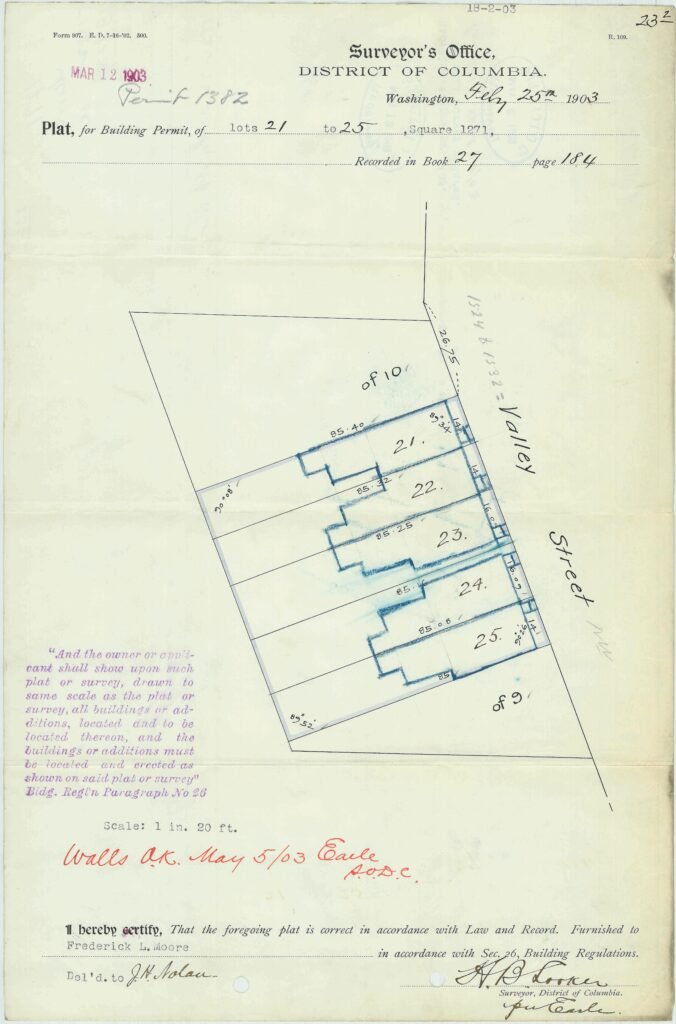
A building code is a legally enforceable set of technical standards governing the design, construction, and ongoing maintenance of buildings, intended primarily to protect public health, safety, and welfare by establishing minimum requirements for structural strength, fire safety, accessibility, and basic habitability. Building codes are adopted and enforced by government jurisdictions, typically at the state,
Building Code Read More »
A legally enforceable set of technical standards governing building design, construction, and maintenance for public safety.
Building commissioning is a systematic quality assurance process that verifies a building systems, including mechanical, electrical, plumbing, and life safety systems, are designed, installed, tested, and operating according to the owner project requirements before and after a building is occupied. Unlike a simple final inspection, commissioning begins early in design and continues through construction, initial
Building Commissioning Read More »
A systematic quality assurance process verifying that building systems are designed, installed, and operating as intended.
A change order is a formal document that modifies the original scope, cost, or schedule of a construction contract, used whenever work must deviate from the originally agreed design, plans, or specifications after a contract has already been signed and construction has typically already begun. Change orders are a routine and expected part of most
Change Order Read More »
A formal document modifying the scope, cost, or schedule of a construction contract after it has been signed.
A construction contract is the legally binding agreement between a project owner and a contractor, or between a contractor and a subcontractor, that defines the scope of work, price, schedule, and the rights and obligations of each party for a construction project. It is the primary legal instrument through which risk, payment, and performance expectations
Construction Contract Read More »
The legally binding agreement between an owner and contractor defining scope, price, schedule, and obligations for a construction project.
Construction management is the professional discipline of planning, coordinating, and overseeing a building project from early design through completion, ensuring that work proceeds on schedule, within budget, and to the required quality and safety standards. A construction manager serves as the central coordinating figure between the project owner, architects and engineers, and the many specialized
Construction Management Read More »
The discipline of planning, coordinating, and overseeing a building project from design through completion.
The critical path method is a project scheduling technique that identifies the longest sequence of dependent tasks in a project, called the critical path, which determines the shortest possible time the overall project can take to complete. Any delay to a task on the critical path delays the entire project by the same amount, while
Critical Path Method Read More »
A project scheduling technique that identifies the longest sequence of dependent tasks determining a project minimum duration.
Design-build is a project delivery method in which a single entity holds contractual responsibility for both the design and construction of a project, contrasting with the traditional design-bid-build approach, in which an owner contracts separately with a designer and then a contractor, who bids on the completed design. Under design-build, the owner signs a single
Design-Build Read More »
A project delivery method in which a single entity holds contractual responsibility for both design and construction.
Lean construction is a project management philosophy and set of practices that applies principles originally developed in lean manufacturing, most notably the Toyota Production System, to construction, with the central goal of maximizing value delivered to the owner while systematically reducing waste in the form of unnecessary motion, waiting time, rework, and resources that do
Lean Construction Read More »
A project management philosophy applying lean manufacturing principles to reduce waste and improve flow in construction.
A punch list is a document compiled near the end of a construction project that itemizes remaining defects, omissions, or incomplete work that must be corrected before a project can be considered fully finished and accepted by the owner. The term is thought to derive from the historical practice of literally punching a hole next
Punch List Read More »
A document itemizing remaining defects and incomplete work that must be corrected before a construction project is accepted.
Quantity surveying is the professional practice of measuring, costing, and managing the financial aspects of a construction project, from early budget estimates during design through final cost settlement after completion. A quantity surveyor, sometimes called a construction cost consultant in markets where the specific title is less common, acts as the construction industry’s specialist in
Quantity Surveying Read More »
The professional practice of measuring, costing, and managing the financial aspects of a construction project.