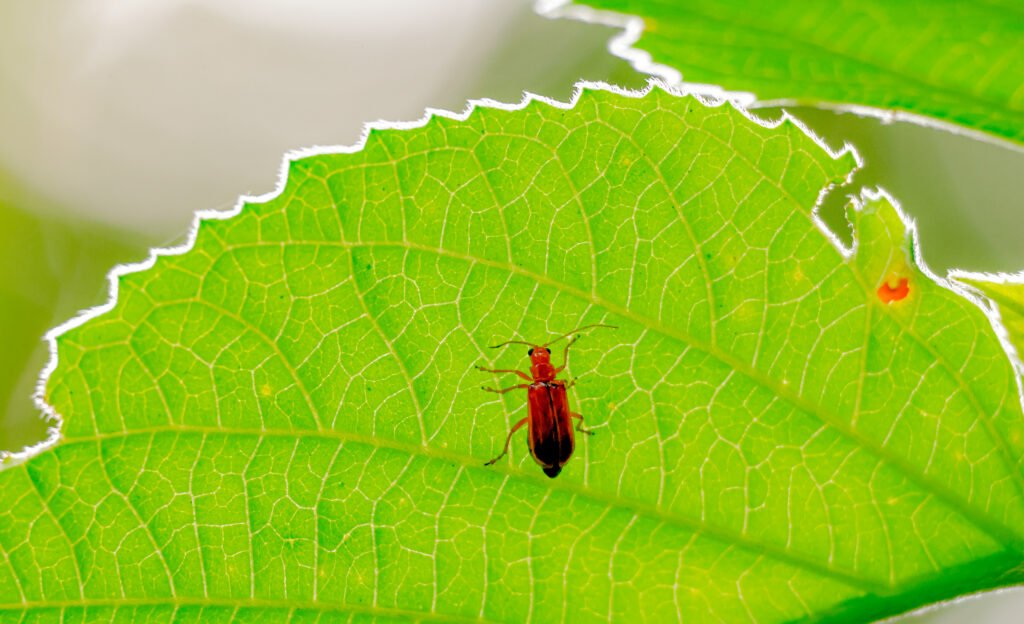
In simple terms Photosynthesis is how plants, algae and some bacteria make their own food. They use energy from sunlight to turn carbon dioxide and water into sugars. Oxygen comes out as a byproduct. Almost every breath you take depends on it. How it works Three inputs are needed: carbon dioxide, water and light. Carbon
Photosynthesis Read More »
Photosynthesis is how plants, algae and some bacteria use sunlight to turn carbon dioxide and water into sugars, releasing oxygen.
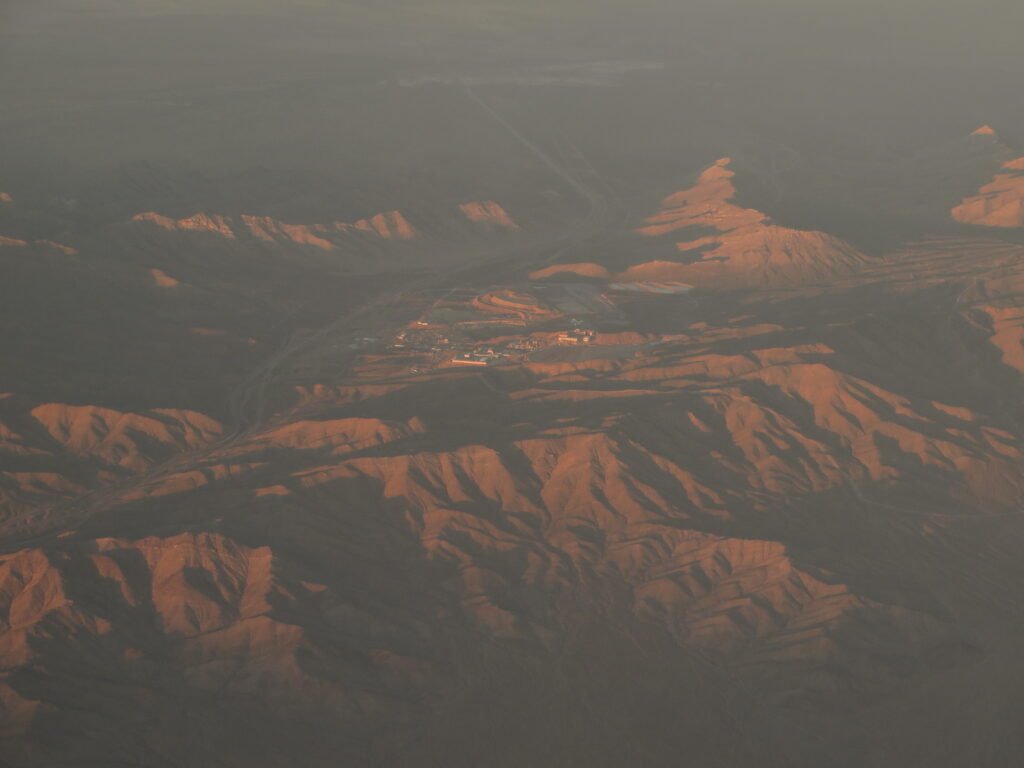
In simple terms Plate tectonics is the idea that Earth’s rigid outer shell is broken into large slabs that move slowly over the hotter, softer layer underneath. The US Geological Survey describes a dozen or more large and small solid slabs, called lithospheric or tectonic plates, moving relative to one another on top of a
Plate tectonics Read More »
Plate tectonics is the theory that Earth's outer shell is broken into slabs that move, building mountains and causing earthquakes at their edges.
In simple terms A prime number is a whole number greater than 1 that can be divided evenly only by 1 and by itself. Seven is prime, because no other whole number divides it without a remainder. Six is not, because 6 = 2 × 3. Whole numbers above 1 that are not prime are
Prime number Read More »
A prime number is a whole number greater than 1 whose only positive divisors are 1 and itself, such as 2, 3, 5 and 7.
In simple terms Rare earth elements are a group of 17 metals: the 15 lanthanides on the periodic table, plus scandium and yttrium. They are not actually rare in the Earth crust. The difficulty is that they occur mixed together in the same ore and are hard to pull apart. How it works Because their
Rare earth elements Read More »
Rare earth elements are 17 metals, the 15 lanthanides plus scandium and yttrium, used in magnets, catalysts, screens and alloys.
In simple terms A finding replicates when a different team asks the same question, gathers its own data, and reaches a consistent answer. The replication crisis is the concern that this happens less often than scientists assumed. It is an argument about how much confidence a single published result deserves. It is not a claim
Replication crisis Read More »
The replication crisis is the finding that many published scientific results do not hold up when other researchers repeat the study with new data.
In simple terms Light in a vacuum travels at exactly 299,792,458 meters per second. Not approximately. Exactly. That precision does not come from an ever more careful experiment. Since 1983 the number has been fixed by international agreement, and the meter is defined from it. How it works In 1983 the General Conference on Weights
Speed of light Read More »
The speed of light in vacuum is exactly 299,792,458 meters per second, a fixed value that now defines how long a meter is.
In simple terms Statistical significance is a check on whether a pattern in data could plausibly be a fluke. Researchers start from a null hypothesis, the assumption that there is no real effect. They then ask how surprising their data would be if that assumption were true. How it works The answer arrives as a
Statistical significance Read More »
A result is statistically significant when it would be unlikely to appear by chance alone if the effect being tested were truly absent.
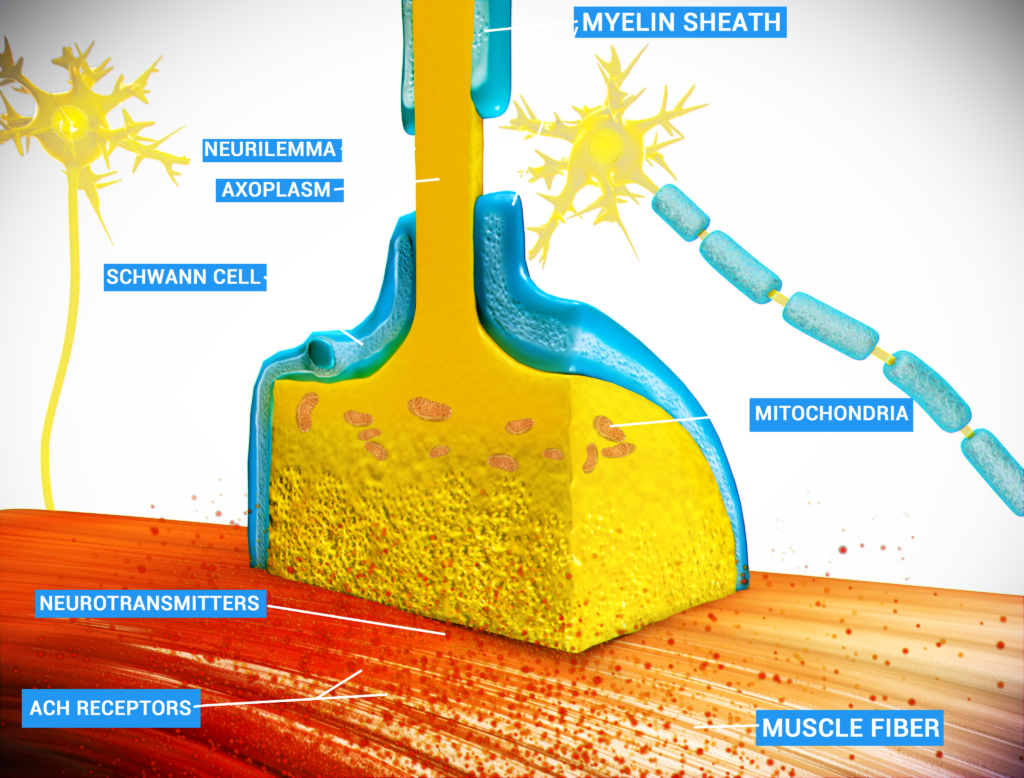
A synapse is the specialized junction where one neuron communicates with another neuron, a muscle cell, or a gland cell, typically by releasing chemical messengers across a microscopic gap. The human brain is estimated to contain well over 100 trillion synapses, and the specific pattern of which neurons connect to which, and how strongly, is
Synapse Read More »
The specialized junction where one neuron communicates with another cell, typically via chemical messengers.
In simple terms The water cycle is the constant movement of water around the planet: where it is stored, and how it travels between those stores. The US Geological Survey calls it the hydrologic cycle and defines it as describing where water is stored on Earth and how it moves. Energy from the sun and
Water cycle Read More »
The water cycle is the continuous movement of Earth's water between the ocean, the atmosphere, the land surface and underground stores.
In simple terms Wavelength is the distance from one crest of a wave to the next. It is a length, measured in meters, and for light it is what separates a radio broadcast from a sunbeam. The range is enormous. The shortest wavelengths scientists study are a fraction of the size of an atom. The
Wavelength Read More »
Wavelength is the distance from one wave crest to the next, and it decides whether light is a radio wave, visible color or gamma ray.