In simple terms The moment magnitude scale is the standard way seismologists state how big an earthquake was. It is written Mw, and it has replaced the Richter scale for most serious work. It describes the earthquake at its source. One earthquake has one magnitude, wherever you happened to be standing. How it works The
Moment magnitude scale Read More »
The moment magnitude scale, written Mw, states an earthquake's size from the slip, fault area and rock rigidity at its source.
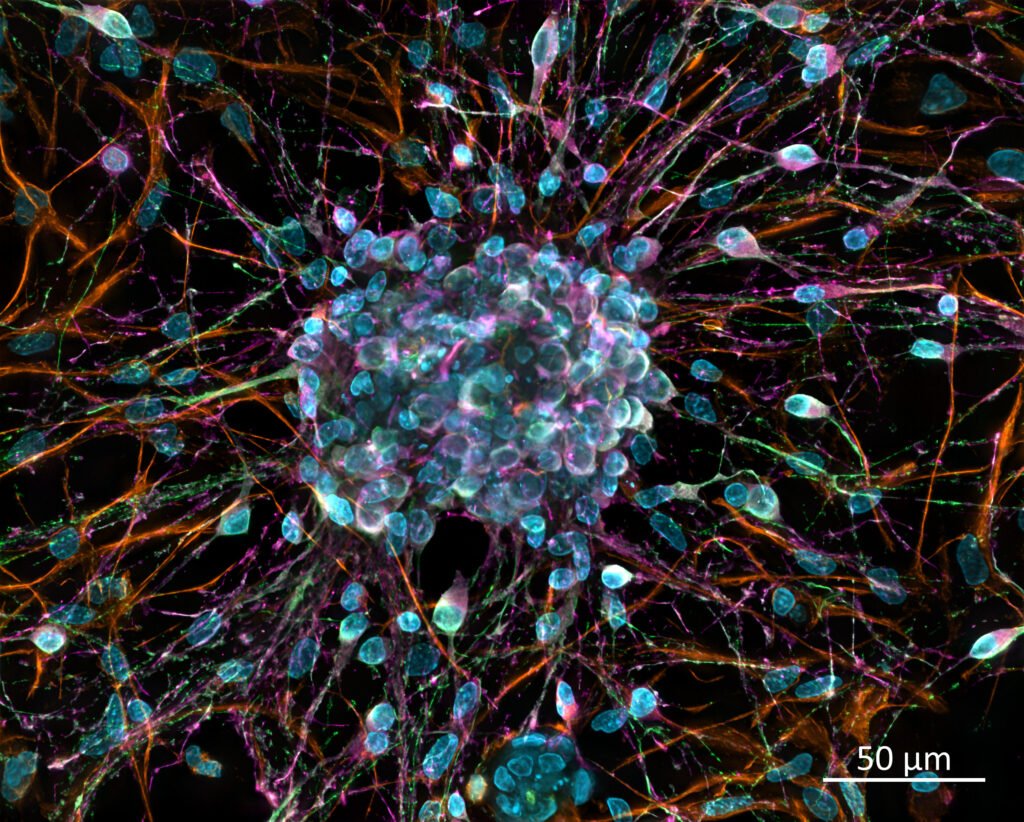
A neuron, also called a nerve cell, is a specialized cell that transmits information through the nervous system using electrical and chemical signals. Neurons are the basic functional unit of the brain, spinal cord, and peripheral nerves, and the human brain alone contains an estimated 86 billion of them, each one capable of forming thousands
Neuron Read More »
A specialized cell that transmits information through the nervous system using electrical and chemical signals.
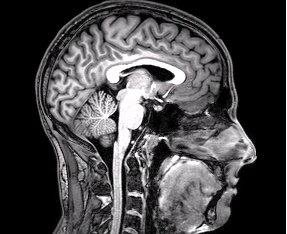
Neuroplasticity, also called brain plasticity, is the nervous system ability to change its structure and function in response to experience, learning, injury, or environmental demands. This capacity for reorganization occurs at many levels, from strengthening or weakening individual synapses to, in some circumstances, forming entirely new connections between distant brain regions, and it continues to
Neuroplasticity Read More »
The nervous system ability to change its structure and function in response to experience, learning, or injury.
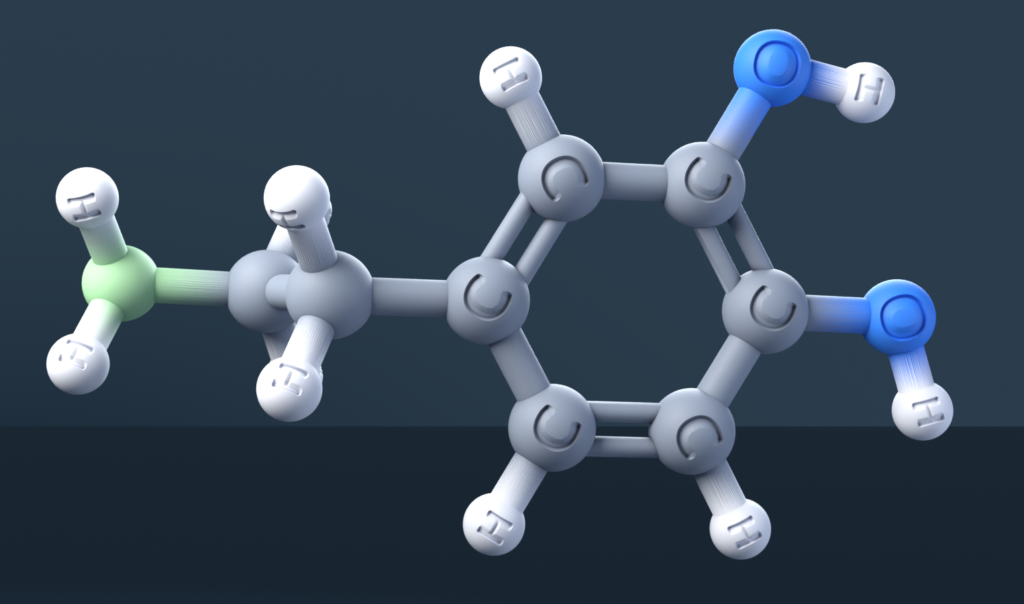
A neurotransmitter is a chemical messenger released by a neuron at a synapse that travels across a tiny gap to influence the activity of another neuron, a muscle cell, or a gland cell. Neurotransmitters are the primary means by which neurons communicate with one another, translating an electrical signal inside the sending neuron into a
Neurotransmitter Read More »
A chemical messenger released by a neuron at a synapse that influences the activity of another cell.
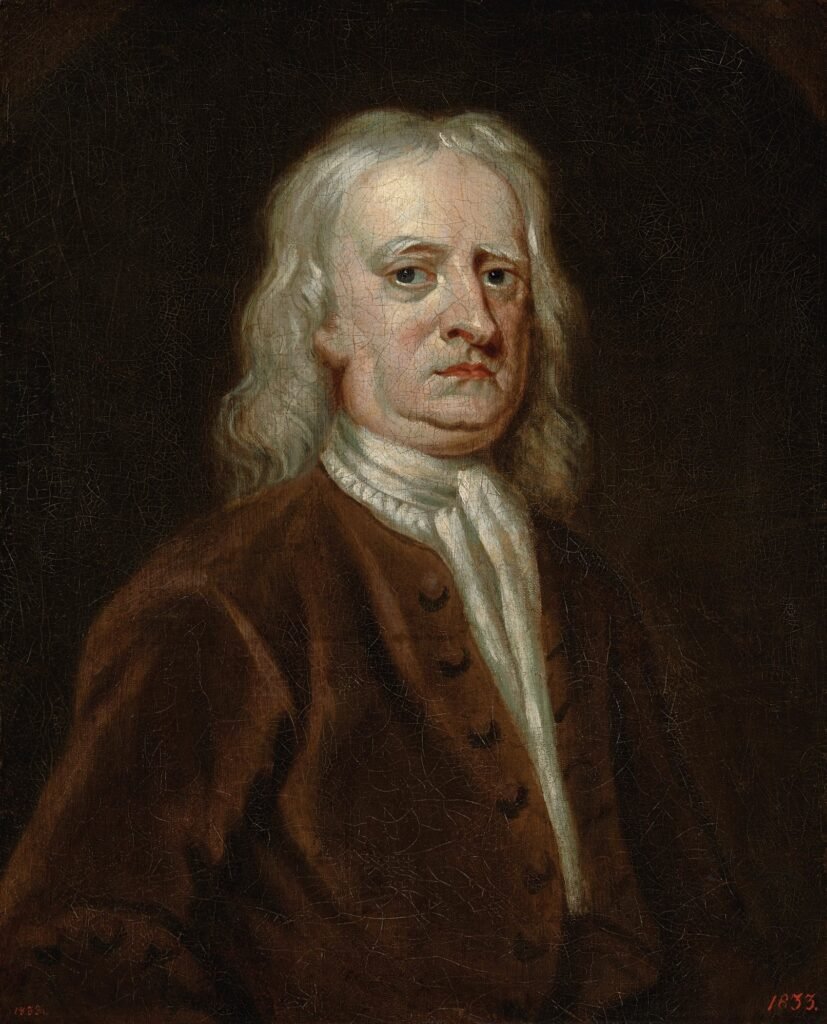
Newton laws of motion are three physical principles, first stated together by Isaac Newton in his 1687 work Philosophiae Naturalis Principia Mathematica, that describe the relationship between a physical object and the forces acting upon it, and how that object moves in response. Together they formed the foundation of classical mechanics for more than two
Newton’s Laws of Motion Read More »
Three principles stated by Isaac Newton describing the relationship between a physical object, the forces acting on it, and its motion.
In simple terms Every survey misses people. Nonresponse bias is what happens when the people it misses differ from the people it reaches. If the difference has nothing to do with the question being asked, the estimate can still be sound. If it does, the number is wrong, and a larger sample will not rescue
Nonresponse bias Read More »
Nonresponse bias is the error that appears when the people who answer a survey differ from those who do not in ways that matter.
In simple terms Orbital eccentricity is a single number that says how far an orbit departs from a perfect circle. It is written as e. A value of 0 is a circle, and the larger the number, the more stretched the path. How it works NASA’s Jet Propulsion Laboratory defines eccentricity as the ratio of
Orbital eccentricity Read More »
Orbital eccentricity is a number describing how stretched an orbit is, from 0 for a circle to above 1 for a path that never returns.
In simple terms A p-value is a number that says how surprising your data would be if nothing were really going on. The American Statistical Association puts it carefully: a p-value can indicate how incompatible the data are with a specified statistical model. How it works Researchers start from a null hypothesis, the assumption of
P-value Read More »
A p-value measures how incompatible observed data are with a specified statistical model, usually one that assumes no real effect.
In simple terms A percentage point is the unit for the gap between two percentages. You find it by simple subtraction: a rate that moves from 10% to 12% has risen by 2 percentage points. The term exists to prevent a common mix-up. That same move from 10% to 12% is also a 20% increase,
Percentage point Read More »
A percentage point is the simple difference between two percentages: a rate rising from 10% to 12% has risen by 2 percentage points.
In simple terms pH tells you how acidic or basic a water based liquid is. Lemon juice is acidic, a baking soda solution is basic, and pure water sits between them. The scale runs from 0 to 14. Seven is neutral, below 7 is acidic, and above 7 is basic, also called alkaline. How it
pH Read More »
pH measures how acidic or basic a water based solution is, on a scale where 7 is neutral, lower is acidic and higher is basic.