Overview Aerobic capacity describes the upper limit of the body ability to deliver oxygen to working muscles and use that oxygen to produce energy during sustained physical effort. It reflects the combined performance of the heart, lungs, blood, and muscle tissue working together as an integrated system, rather than any single organ acting alone. How
Aerobic Capacity Read More »
The maximum rate at which the body can take in, transport, and use oxygen during sustained physical effort.
Overview As exercise intensity rises, the body gradually shifts from relying mostly on aerobic energy production toward a greater reliance on anaerobic pathways, and the anaerobic threshold marks the intensity at which this shift accelerates sharply rather than increasing gradually. Physiological Basis Below this threshold, the body clears lactate from the bloodstream about as fast
Anaerobic Threshold Read More »
The exercise intensity at which lactate begins accumulating in the blood faster than the body can clear it, marking a shift toward anaerobic metabolism.
Overview Biomechanics of movement applies the principles of mechanics, including force, torque, and leverage, to the human body in motion, treating joints as levers and muscles as the force generators that produce athletic movement patterns. Tools of Analysis Researchers and coaches commonly use high-speed video, motion-capture systems, and force-measuring platforms to break down a movement
Biomechanics of Movement Read More »
The study of the mechanical principles governing human movement, including forces, levers, and motion produced by muscles and joints.
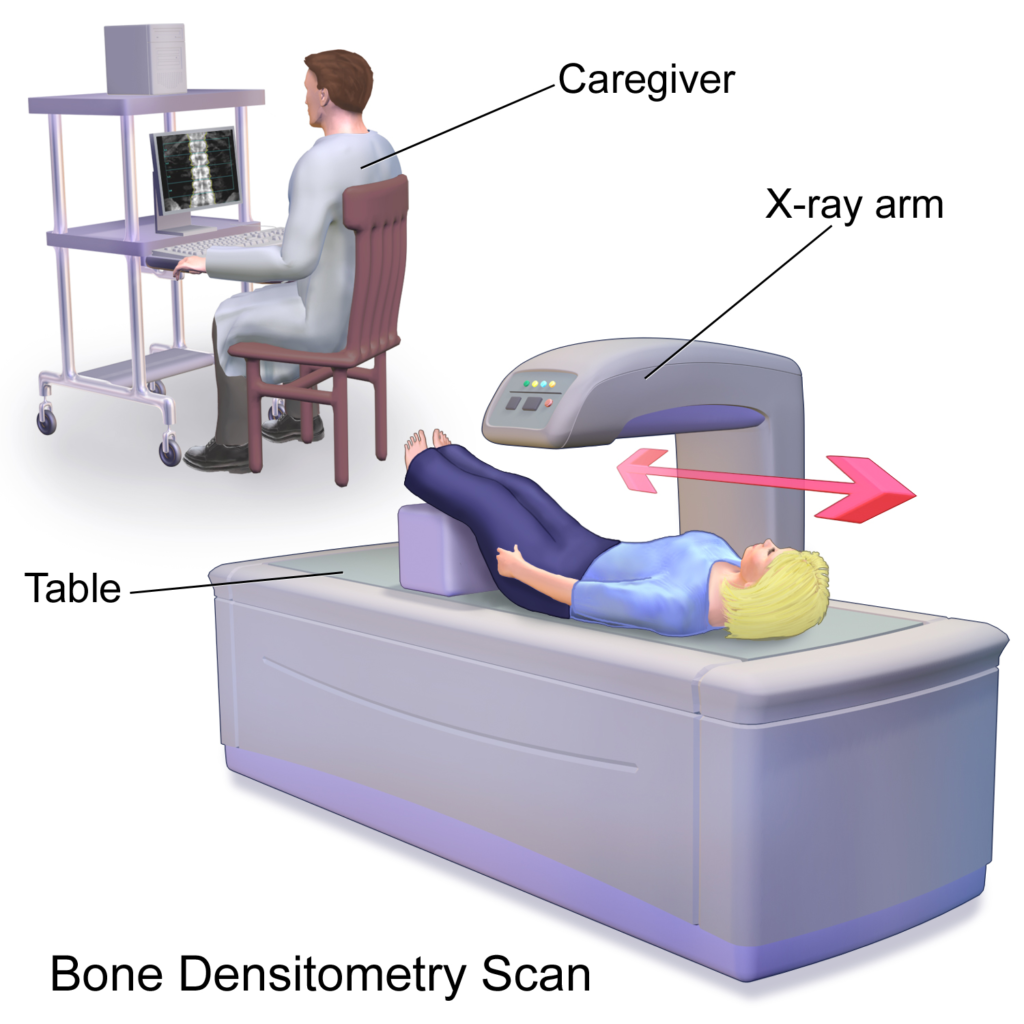
Overview Body composition assessment breaks down total body mass into components such as fat mass and lean mass, offering insight that a single weight measurement on a scale cannot provide on its own. Common Methods Techniques range from relatively simple and affordable skinfold caliper measurements and bioelectrical impedance devices to more advanced methods such as
Body Composition Assessment Read More »
The measurement and analysis of the proportions of fat, muscle, bone, and other tissues that make up an individual total body mass.
Overview Cardiorespiratory fitness reflects how well the heart, lungs, and blood vessels work together to deliver oxygen to muscles during sustained activity, and it is one of the most widely studied measures in exercise science because of its relevance to both athletic performance and general health. Assessment Methods While precise laboratory testing requires specialized equipment,
Cardiorespiratory Fitness Read More »
The combined ability of the heart, lungs, and circulatory system to supply oxygen to working muscles during sustained physical activity.
Overview Muscular contraction requires a constant supply of chemical energy, and the body draws on three interconnected metabolic pathways to meet that demand depending on how intense and how long an activity lasts, shifting the balance between them as effort continues. The Three Pathways The phosphagen system provides very rapid energy for efforts lasting only
Energy Systems in Exercise Read More »
The three main metabolic pathways the body uses to produce energy for muscular contraction during activities of varying intensity and duration.
Overview Exercise economy describes how much oxygen an athlete needs to sustain a given submaximal speed or power output, and it is a separate quality from raw aerobic capacity, meaning two athletes with identical oxygen-uptake ceilings can still perform quite differently in competition. What Shapes Economy Running and cycling economy are influenced by factors including
Exercise Economy Read More »
A measure of how efficiently an athlete uses oxygen to sustain a given submaximal pace or power output.
Overview Exercise-induced fatigue describes the temporary decline in a muscle capacity to generate force or sustain output as exertion continues, and researchers generally divide its causes into central origins within the nervous system and peripheral origins within the muscle tissue itself. Central and Peripheral Contributors Central fatigue involves reduced neural drive from the brain and
Exercise-Induced Fatigue Read More »
The temporary decline in a muscle ability to produce force or sustain activity as a result of physical exertion.
Overview Skeletal muscle is composed of different fiber types that vary in how quickly they contract and which energy pathway they rely on most heavily, and the proportion of each type in a given muscle helps explain why some athletes excel at endurance events while others excel at explosive, short-duration efforts. Main Fiber Categories Slow-twitch
Muscle Fiber Type Read More »
A classification of skeletal muscle cells based on their speed of contraction and primary energy source, influencing athletic strengths.
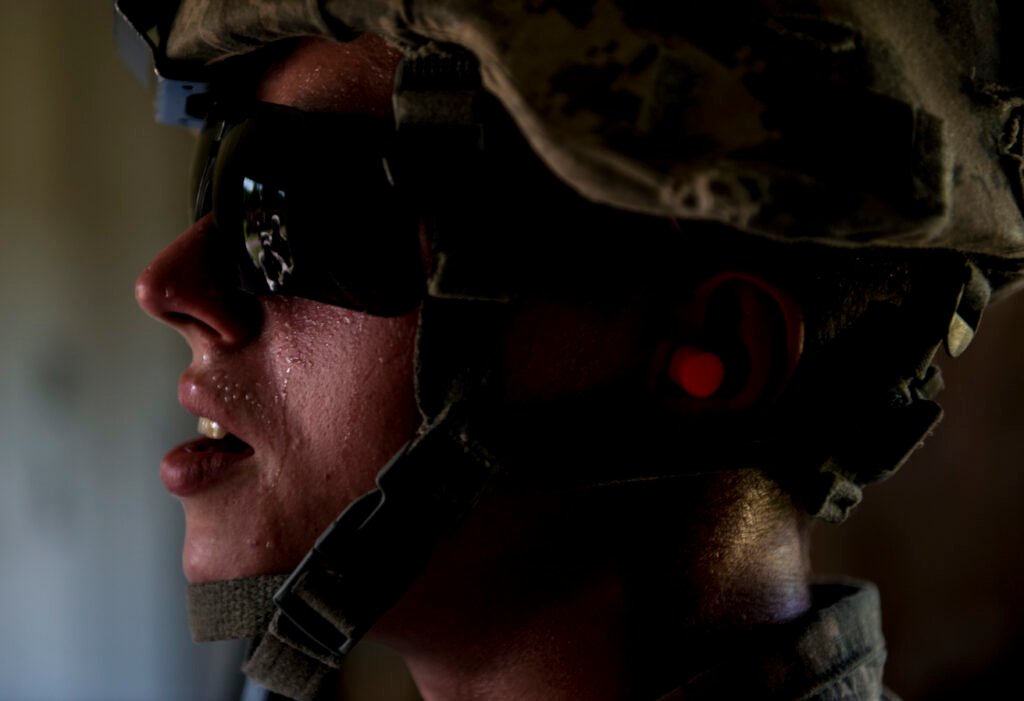
Overview During exercise, working muscles generate substantial heat as a byproduct of energy production, and the body must dissipate that heat efficiently to avoid a dangerous rise in core temperature, relying primarily on sweating and changes in blood flow distribution. Key Mechanisms As core temperature rises, blood flow is redirected toward the skin to promote
Thermoregulation During Exercise Read More »
The physiological processes the body uses to manage internal temperature during physical exertion, primarily through sweating and blood flow changes.