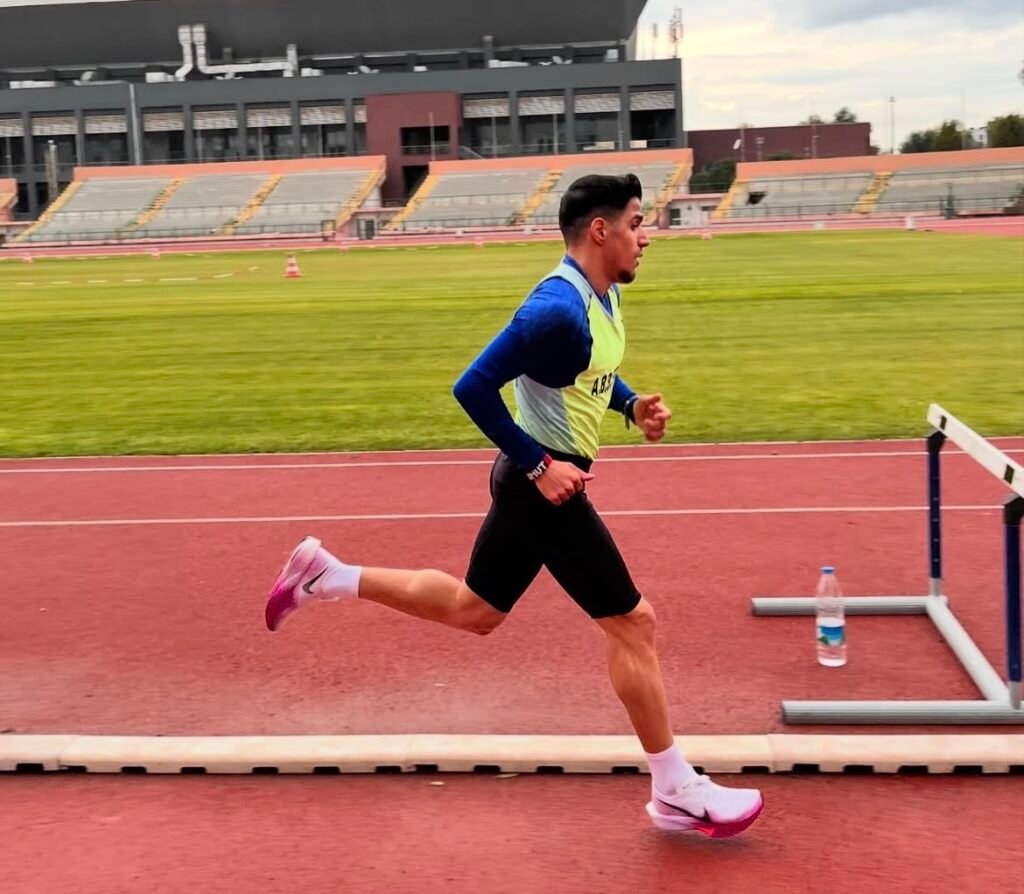
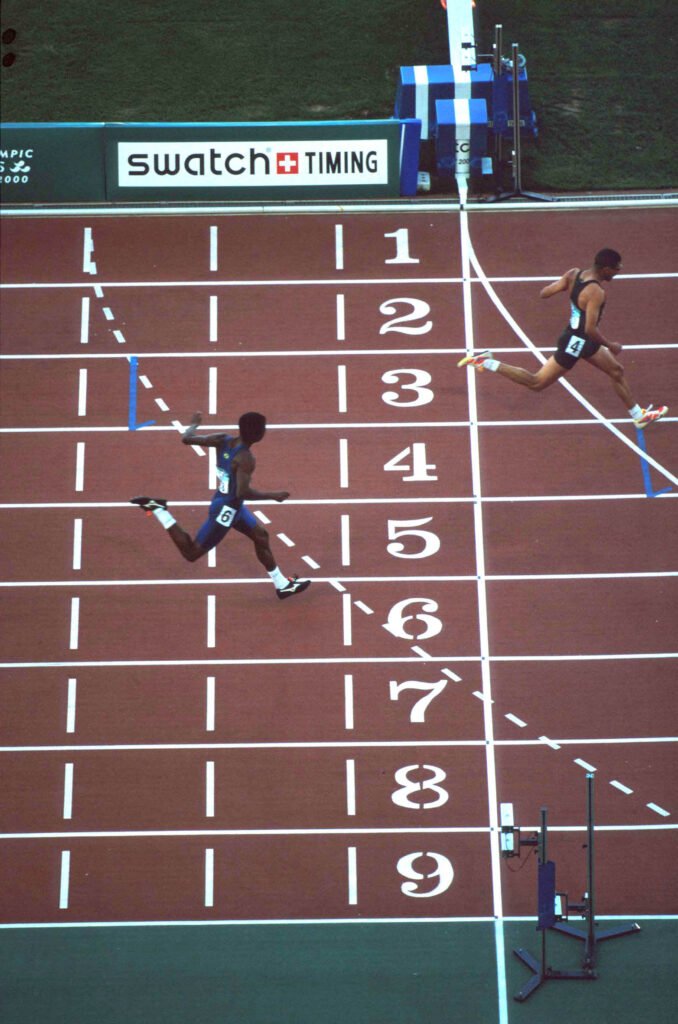
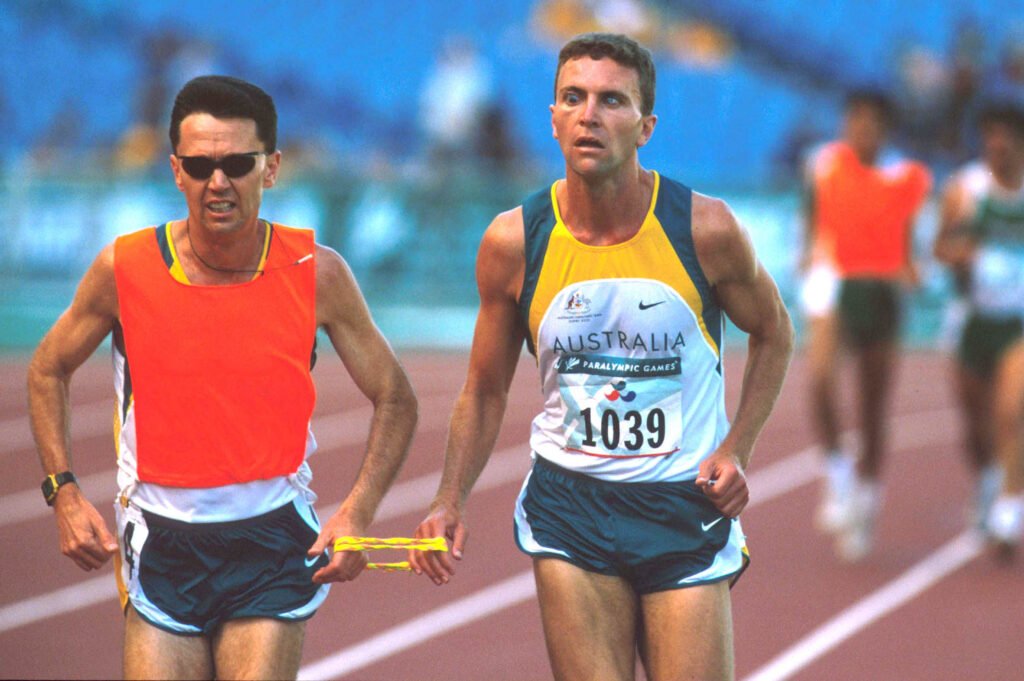
Theoretical Foundations Achievement motivation theory, as applied to sport, examines why some athletes persist through setbacks and seek out challenging competition while others avoid difficult situations or give up quickly after failure. Achievement goal theory, one of the most influential frameworks in this area, distinguishes between a mastery orientation, in which athletes define success by
Achievement Motivation in Sport Read More »
Achievement motivation in sport refers to the psychological drive that leads athletes to pursue success, master skills, and strive for competence in competitive settings.
Overview Aerobic capacity describes the upper limit of the body ability to deliver oxygen to working muscles and use that oxygen to produce energy during sustained physical effort. It reflects the combined performance of the heart, lungs, blood, and muscle tissue working together as an integrated system, rather than any single organ acting alone. How
Aerobic Capacity Read More »
The maximum rate at which the body can take in, transport, and use oxygen during sustained physical effort.
Overview As exercise intensity rises, the body gradually shifts from relying mostly on aerobic energy production toward a greater reliance on anaerobic pathways, and the anaerobic threshold marks the intensity at which this shift accelerates sharply rather than increasing gradually. Physiological Basis Below this threshold, the body clears lactate from the bloodstream about as fast
Anaerobic Threshold Read More »
The exercise intensity at which lactate begins accumulating in the blood faster than the body can clear it, marking a shift toward anaerobic metabolism.
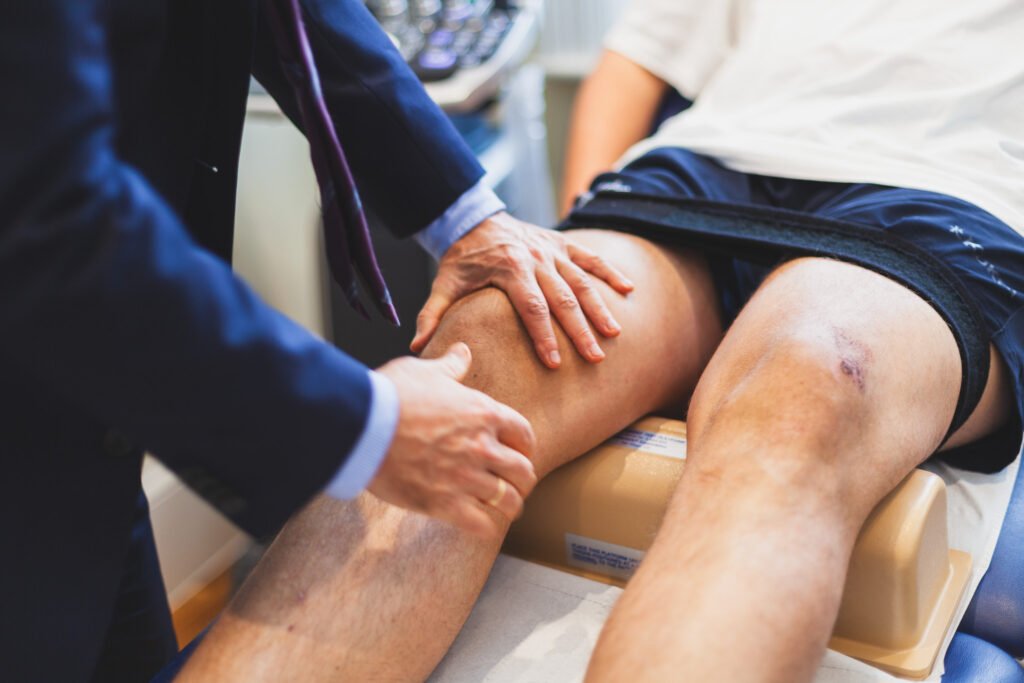
Overview An anterior cruciate ligament injury involves damage to one of the key ligaments stabilizing the knee joint, most often occurring during sports that involve sudden changes of direction, rapid deceleration, or awkward landings from a jump, rather than through direct contact with another player. Diagnosis and Treatment Pathways Diagnosis typically combines physical examination with
Anterior Cruciate Ligament Injury Read More »
A tear or sprain of a key stabilizing ligament in the knee, common in sports involving sudden stops, pivots, or jumps.
Overview Athletic administration involves overseeing the operational, financial, and strategic aspects of an athletic program, most commonly within schools, colleges, or community sport organizations, requiring administrators to balance competitive athletic goals against the broader educational or organizational mission they serve. Core Responsibilities Administrators typically manage budgets, hire and supervise coaching staff, coordinate competition schedules, and
Athletic Administration Read More »
The management of athletic programs, including staffing, budgeting, compliance, and strategic oversight within schools, colleges, or sports organizations.
Overview Biomechanics of movement applies the principles of mechanics, including force, torque, and leverage, to the human body in motion, treating joints as levers and muscles as the force generators that produce athletic movement patterns. Tools of Analysis Researchers and coaches commonly use high-speed video, motion-capture systems, and force-measuring platforms to break down a movement
Biomechanics of Movement Read More »
The study of the mechanical principles governing human movement, including forces, levers, and motion produced by muscles and joints.
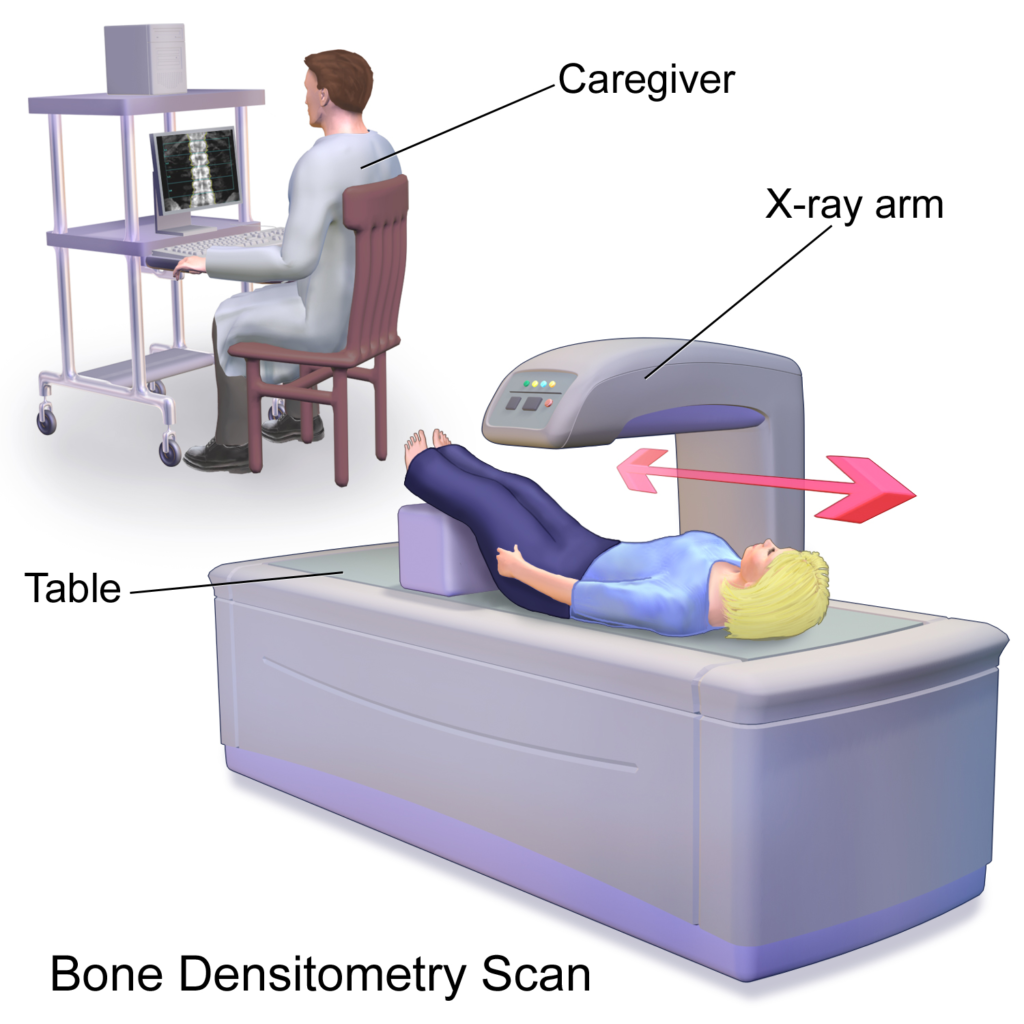
Overview Body composition assessment breaks down total body mass into components such as fat mass and lean mass, offering insight that a single weight measurement on a scale cannot provide on its own. Common Methods Techniques range from relatively simple and affordable skinfold caliper measurements and bioelectrical impedance devices to more advanced methods such as
Body Composition Assessment Read More »
The measurement and analysis of the proportions of fat, muscle, bone, and other tissues that make up an individual total body mass.
Overview Cardiorespiratory fitness reflects how well the heart, lungs, and blood vessels work together to deliver oxygen to muscles during sustained activity, and it is one of the most widely studied measures in exercise science because of its relevance to both athletic performance and general health. Assessment Methods While precise laboratory testing requires specialized equipment,
Cardiorespiratory Fitness Read More »
The combined ability of the heart, lungs, and circulatory system to supply oxygen to working muscles during sustained physical activity.
Overview Coaching effectiveness refers to the degree to which a coach actions and decisions produce positive outcomes for athletes, encompassing not only competitive performance but also skill development, motivation, and psychological wellbeing. Researchers studying coaching effectiveness generally caution against relying solely on win-loss records as a measure, since team success depends on many factors beyond
Coaching Effectiveness Read More »
The degree to which a coach actions and decisions produce positive outcomes for athletes, including improved performance, skill development, and psychological wellbeing.
Overview Collegiate athletics administration involves managing sports programs within the specific context of higher education, where athletic departments must balance competitive ambitions against academic eligibility standards and the broader educational mission of the college or university they represent. Financial Structure At many institutions, revenue generated by prominent sports helps subsidize the costs of smaller athletic
Collegiate Athletics Administration Read More »
The management of sports programs within colleges and universities, balancing competitive, academic, and financial considerations.