Overview
The Supplemental Nutrition Assistance Program, widely known by its former name food stamps, is the largest federal nutrition assistance program in the United States. It provides eligible low-income individuals and families with monthly benefits loaded onto an Electronic Benefit Transfer card, which functions similarly to a debit card and can be used to purchase approved food items at participating retailers.
Eligibility and Benefit Calculation
The U.S. Department of Agriculture sets national program rules while states handle day-to-day administration, including eligibility determinations and benefit issuance. Eligibility generally depends on household income relative to the federal poverty line, household size, and certain allowable deductions for expenses such as housing and childcare. Benefit amounts are calculated to supplement, not fully replace, a household existing food budget.
Economic Role and Research Findings
SNAP functions as an automatic economic stabilizer, with enrollment expanding during recessions as more households qualify based on falling income. Research has consistently linked SNAP participation to reduced food insecurity and improved health outcomes, particularly among children, and the program is frequently cited among the most effective means-tested anti-poverty programs when measured using methods that account for in-kind benefits.
Program History
The program traces its origins to a pilot food stamp initiative in the 1930s aimed at addressing both agricultural surplus and hunger during the Great Depression, evolving through several legislative changes into its modern form. The shift to electronic benefits in the 1990s and 2000s replaced paper coupons entirely, reducing stigma at checkout and administrative costs while also enabling more precise tracking of benefit usage and program integrity.
Policy Debates
SNAP faces recurring policy debates over work requirements for able-bodied adults without dependents, restrictions on which food items benefits can purchase, and the appropriate benefit calculation formula. Proposals to restrict purchases of sugary beverages or candy have drawn both support from public health advocates and opposition from those who argue such restrictions are paternalistic and difficult to administer fairly at the point of sale.
Retailer Participation
SNAP benefits can be redeemed at a wide range of authorized retailers, from large supermarket chains to small corner stores and, in a growing number of states, online grocery delivery services. The U.S. Department of Agriculture monitors retailer compliance and periodically removes stores found to have violated program rules, such as trafficking in which benefits are exchanged for cash rather than food, a practice that undermines the program nutritional goals.
Looking Ahead
SNAP benefit levels and eligibility rules remain subject to periodic revision through the farm bill process in Congress, where nutrition programs are negotiated alongside agricultural policy. Future debates are likely to continue addressing benefit adequacy, work requirements, and the balance between flexibility for recipients and restrictions aimed at specific nutritional goals.
Nutritional Impact Research
Researchers studying SNAP participation have generally found that the program measurably reduces food insecurity and improves dietary quality among participating households, particularly children, though benefit amounts are often calculated using a model diet that some nutrition researchers argue underestimates the true cost of a healthy diet in many parts of the country, particularly in areas with higher costs of living.
Pandemic-Era Changes
During the COVID-19 pandemic, Congress temporarily increased SNAP benefit amounts and relaxed certain eligibility and work requirements to respond to the sudden rise in food insecurity, providing researchers a valuable opportunity to study the effects of more generous benefit levels on recipient wellbeing. When these emergency allotments expired, researchers documented measurable increases in food insecurity among affected households, offering evidence relevant to ongoing debates about standard benefit adequacy.
Households applying for SNAP benefits typically submit an application through their state social services agency, which determines eligibility based on documented income, expenses, and household composition.
Interaction With Other Nutrition Programs
SNAP operates alongside other federal nutrition programs, including the Special Supplemental Nutrition Program for Women, Infants, and Children and the National School Lunch Program, and many households rely on a combination of these programs rather than any single source to meet their overall nutritional needs throughout the month.
Nutrition educators working with SNAP participants often provide guidance on budgeting and meal planning alongside benefit issuance, recognizing that stretching a monthly benefit allotment effectively requires practical skills beyond simply receiving the funds.
Food policy researchers continue to study how SNAP benefit design interacts with food access in areas lacking full-service grocery stores, sometimes called food deserts, where benefit dollars may not translate easily into healthy food access.
SNAP outreach workers often collaborate with hospitals and healthcare providers to identify and enroll eligible households, recognizing food insecurity as a health-related social need that clinical settings are well positioned to detect.
Several pilot programs have tested allowing SNAP benefits to be used for online grocery purchases and even at farmers markets, expanding where and how recipients can access food beyond traditional brick-and-mortar retailers.
Several universities operate dedicated food security research centers that study SNAP alongside other federal nutrition programs to build a more complete picture of food access challenges facing low-income households nationwide.
Several nonprofit organizations provide SNAP application assistance specifically for elderly and disabled applicants, who may face additional barriers navigating online application systems designed primarily for younger, digitally literate users.
SNAP benefit calculations are periodically adjusted to reflect updated cost-of-living data, ensuring that the purchasing power of benefits does not erode too far relative to actual grocery price changes over time.
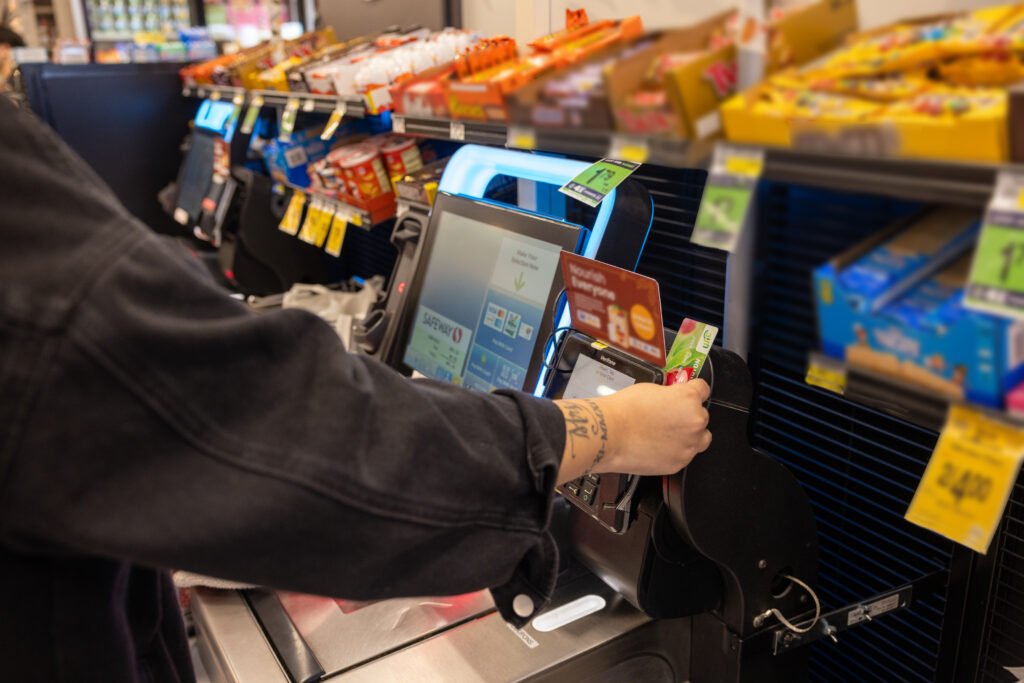
Several large retailers now offer dedicated self-checkout options compatible with electronic benefit cards, reducing friction for SNAP recipients at the point of purchase compared with older card-reader systems.
Key facts
- Array
Quick checkWhat is SNAP commonly called?Show answer
SNAP, the Supplemental Nutrition Assistance Program, is commonly known as food stamps, though benefits are now distributed electronically through an Electronic Benefit Transfer card rather than paper stamps.
Sources
- Array
Editorially reviewed by Specialty Digest Editorial TeamLast reviewed November 4, 2026Researched and drafted with AI assistanceReport an issue