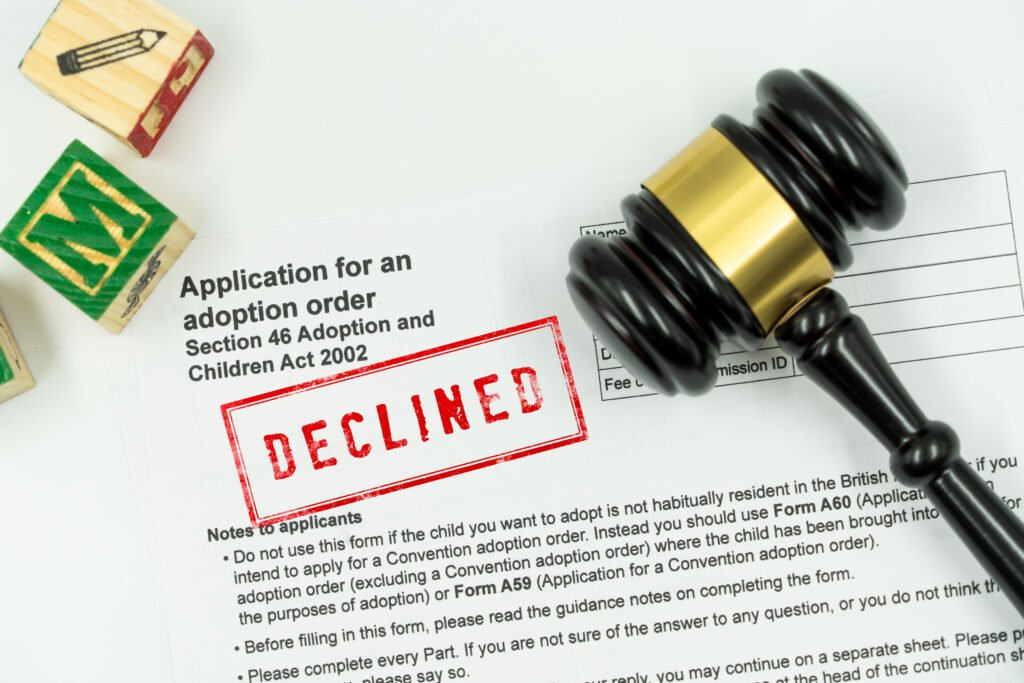
Adoption is the legal process through which parental rights and responsibilities for a child are permanently transferred to new parents, creating a parent-child relationship that carries the same legal weight as a biological one. Adoption can occur through several distinct pathways, each with its own procedures and timeline. Pathways to Adoption Many adoptions in the
Adoption Read More »
The legal process that permanently transfers parental rights and responsibilities for a child to new parents.
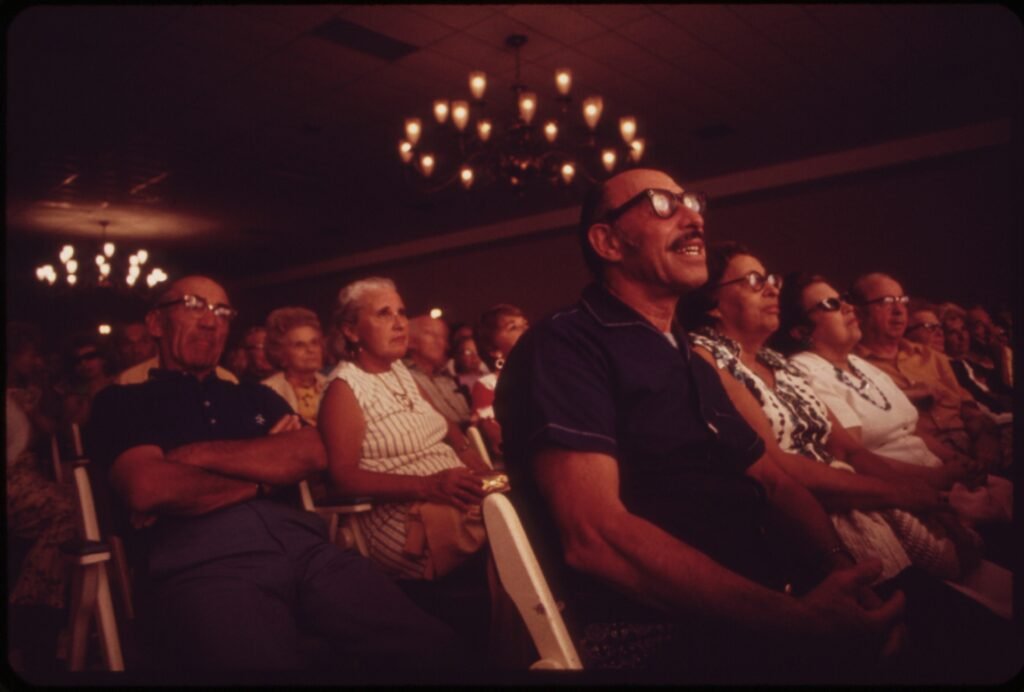
Adult day programs are structured daytime programs that provide supervision, social activities, and sometimes health services for older adults who need support but do not require round-the-clock residential care. These programs typically operate during standard weekday business hours, allowing family caregivers to work, run errands, or simply rest while their relative is safely engaged elsewhere.
Adult Day Programs Read More »
Structured daytime programs that provide supervision, social activities, and sometimes health services for older adults, allowing family caregivers to work or rest.
Aging in place describes the ability to live safely and independently in ones own home and community as one grows older, rather than relocating to an institutional care setting such as a nursing facility. Surveys of older adults consistently find this to be the strongly preferred option, driving demand for services and home modifications that
Aging in Place Read More »
The ability to live safely and independently in ones own home and community as one grows older, rather than moving to an institutional care setting.
Assisted living is a residential care setting that provides housing along with help with daily activities, such as bathing, dressing, and medication management, for people who need some support but not the intensive, round-the-clock skilled medical care that a nursing home provides. It generally falls between fully independent living and nursing home care on the
Assisted Living Read More »
A residential care setting that provides housing along with help with daily activities for people who need some support but not intensive medical care.
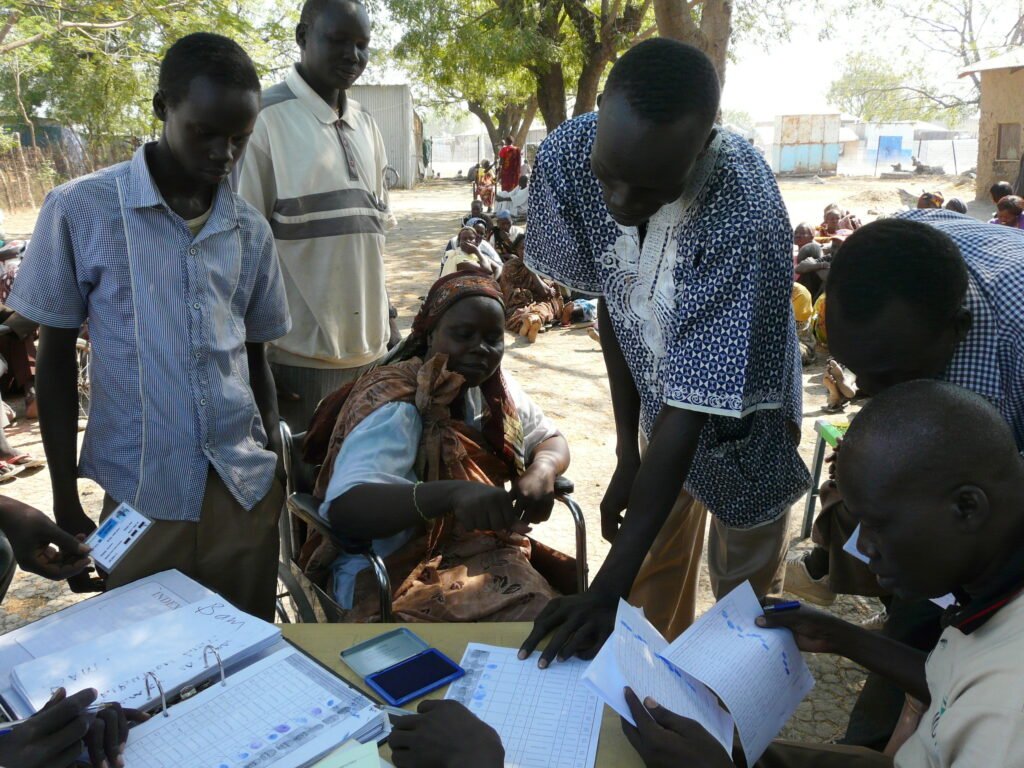
Caregiver support programs are services designed to support the family members and friends who provide unpaid care to an aging or disabled loved one, a group that collectively provides the vast majority of long-term care hours delivered in the United States, far exceeding the hours provided by paid professional caregivers. Common Support Services Respite care,
Caregiver Support Programs Read More »
Services designed to support the family members and friends who provide unpaid care to an aging or disabled loved one.
Purpose and Core Functions Case management emerged as a social work method to address a persistent problem facing clients with complex needs, namely the fragmentation of services across many different agencies and providers that rarely coordinate with each other directly. A case manager serves as a consistent point of contact who understands a client full
Case Management Read More »
Case management is a social work practice method in which a professional coordinates services, resources, and support across multiple providers to help a client meet complex needs over time.
Child abuse and neglect describes harm or the risk of harm to a child caused by a parent or caregiver. The federal Child Abuse Prevention and Treatment Act sets minimum definitions that every state must incorporate into its own law, though states vary in how specifically they define thresholds for intervention. Categories of Maltreatment Physical
Child Abuse and Neglect Read More »
Harm or the risk of harm to a child caused by a parent or caregiver, including physical, sexual, and emotional abuse and the failure to provide for basic needs.
Child Protective Services is the government agency function responsible for receiving, investigating, and responding to reports that a child may be experiencing abuse or neglect. Every state in the United States operates some version of this system, usually housed within a larger health or human services department, though the exact name and structure differ from
Child Protective Services Read More »
The government agency function responsible for investigating reports of child abuse or neglect and intervening to protect children.
Child welfare policy is the body of federal and state law, regulation, and funding structure that governs how child protection and foster care systems operate. While day-to-day casework happens at the state and county level, a handful of federal laws set the framework every state system must follow. Major Federal Laws The Social Security Act
Child Welfare Policy Read More »
The body of federal and state law and funding structures that govern how child protection and foster care systems operate.
Scope of Clinical Practice Clinical social workers provide many of the same psychotherapy services associated with other licensed mental health professionals, including individual, family, and group therapy for conditions ranging from depression and anxiety to more severe and persistent mental illness. What distinguishes clinical social work from other mental health disciplines is its characteristic attention
Clinical Social Work Read More »
Clinical social work is a specialized area of practice in which licensed social workers provide mental health assessment, diagnosis, and psychotherapy to individuals, families, and groups.