SWOT analysis is a strategic planning framework that evaluates an organization’s internal strengths and weaknesses alongside external opportunities and threats. By organizing these four categories on a simple grid, businesses can assess their current position and identify strategic priorities before committing to a plan.
The four categories
Strengths and weaknesses describe internal factors within the organization’s control, such as skilled staff, strong cash reserves, outdated technology, or a narrow product line. Opportunities and threats describe external factors in the broader environment, such as a growing market, a new regulation, an emerging competitor, or shifting customer preferences, that the organization cannot directly control but must respond to.
Origins and the SOFT precursor
The framework’s development is associated with management consultant Albert Humphrey, who worked at the Stanford Research Institute, later known as SRI International. Humphrey described his involvement with a related earlier framework called SOFT, developed with a team led by Robert Stewart, which sorted factors into Satisfactory and Opportunity for favorable conditions and Fault and Threat for unfavorable ones, closely paralleling what later became the SWOT structure.
How organizations use SWOT analysis
Businesses typically conduct a SWOT analysis during strategic planning sessions, gathering input from multiple stakeholders to populate each quadrant honestly rather than listing only favorable factors. The resulting grid helps teams match internal strengths to external opportunities, shore up weaknesses before they become liabilities, and prepare contingencies for external threats.
Criticisms and limitations
Critics note that SWOT analysis can produce overly generic lists if not approached rigorously, and that it offers no built-in method for prioritizing which factors matter most or translating the grid into specific action steps. Many organizations pair SWOT analysis with other frameworks, such as PEST analysis for external factors, to address these gaps.
Conducting a SWOT workshop
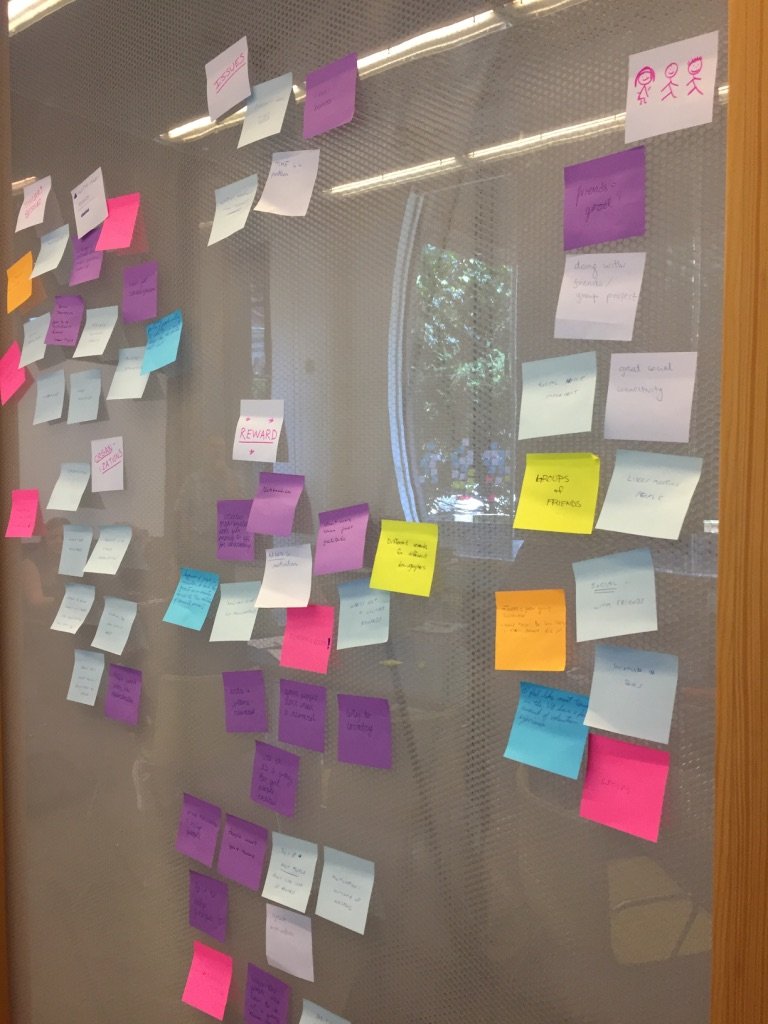
Many organizations run SWOT analysis as a structured workshop, gathering representatives from different departments to brainstorm each quadrant collaboratively rather than having one person or team complete it alone. Facilitators often start with strengths and weaknesses, which participants can assess with direct internal knowledge, before moving to the more speculative opportunities and threats quadrants.
SWOT analysis beyond corporate strategy
While most closely associated with corporate strategic planning, SWOT analysis has been adapted for nonprofit organizations, government agencies, and even personal career planning, wherever someone needs a structured way to weigh internal capabilities against external circumstances before making a decision. Its simplicity is a major reason it has spread so widely beyond its original business-strategy context. A SWOT analysis also frequently surfaces facts about an organization’s organizational culture that leadership had not previously named explicitly.
Turning a SWOT grid into strategy
A completed SWOT grid is only a starting point; the real strategic work lies in cross-referencing the four quadrants, asking how a specific strength could be used to capture a specific opportunity, or how a particular weakness might leave the organization exposed to a specific threat. Some practitioners build a follow-up matrix specifically for this cross-referencing step, since listing factors alone does not automatically produce a plan.
Common mistakes in SWOT analysis
A frequent mistake is treating internal and external categories loosely, for example listing a weak economy as a weakness rather than correctly classifying it as an external threat. Another common pitfall is populating the grid with vague, generic statements that could apply to almost any organization, rather than specific, evidence-based observations that genuinely inform strategic decisions.
SWOT analysis as a starting point
Strategy consultants generally treat SWOT analysis as a useful first step rather than a complete planning process on its own, often following it with more structured frameworks, such as Porter’s Five Forces for assessing competitive pressure, to add rigor and depth that the simple four-quadrant grid cannot provide by itself.
Digital tools for SWOT analysis
Many organizations now conduct SWOT analysis using collaborative digital whiteboards and templates rather than paper or static slides, allowing distributed teams to contribute to each quadrant in real time and making it easier to revisit and update the analysis as circumstances change rather than treating it as a one-time exercise.
SWOT analysis and competitive benchmarking
Effective SWOT analysis often draws on competitive benchmarking, comparing an organization’s strengths and weaknesses directly against specific named competitors rather than assessing capabilities in the abstract, since a strength only matters strategically to the extent it is genuinely differentiated from what rivals in the same market can already offer customers.
SWOT analysis and risk management
The threats quadrant of a SWOT analysis often overlaps with formal enterprise risk management processes, and some organizations deliberately feed SWOT findings into their risk registers, ensuring external threats identified during strategic planning receive the same ongoing monitoring attention as risks surfaced through dedicated risk management procedures.
Updating SWOT analysis over time
Because internal capabilities and external conditions both change, strategists recommend revisiting a SWOT analysis periodically, such as annually or after a major market shift, rather than treating a single completed grid as a permanent fixture, since a strength or opportunity identified years earlier may no longer hold true.
SWOT analysis in competitive pitches
Startups and businesses seeking investment often include a condensed SWOT analysis in pitch materials, giving potential investors a quick, structured view of the venture’s position that signals the founders have thought critically about their own weaknesses and external risks rather than presenting an unrealistically one-sided case.
FAQs
What is the difference between a strength and an opportunity in SWOT analysis?
A strength is an internal factor the organization already controls, such as skilled staff, while an opportunity is an external factor in the environment that the organization could potentially take advantage of.
Who is credited with developing SWOT analysis?
Management consultant Albert Humphrey, who worked at the Stanford Research Institute and described his connection to the related SOFT framework.
Key facts
- Associated with management consultant Albert Humphrey, who worked at the Stanford Research Institute; closely related to an earlier SOFT framework (Satisfactory, Opportunity, Fault, Threat) developed with a team led by Robert Stewart; organizes factors into internal (strengths, weaknesses) and external (opportunities, threats) categories.
Related concepts
Quick checkWhat does each letter in SWOT stand for?Show answer
Strengths, Weaknesses, Opportunities, and Threats.
Sources
- Wikipedia (Albert S. Humphrey); RapidBI history of SWOT analysis; management strategy textbooks
Editorially reviewed by Specialty Digest Editorial TeamLast reviewed November 1, 2026Researched and drafted with AI assistanceReport an issue