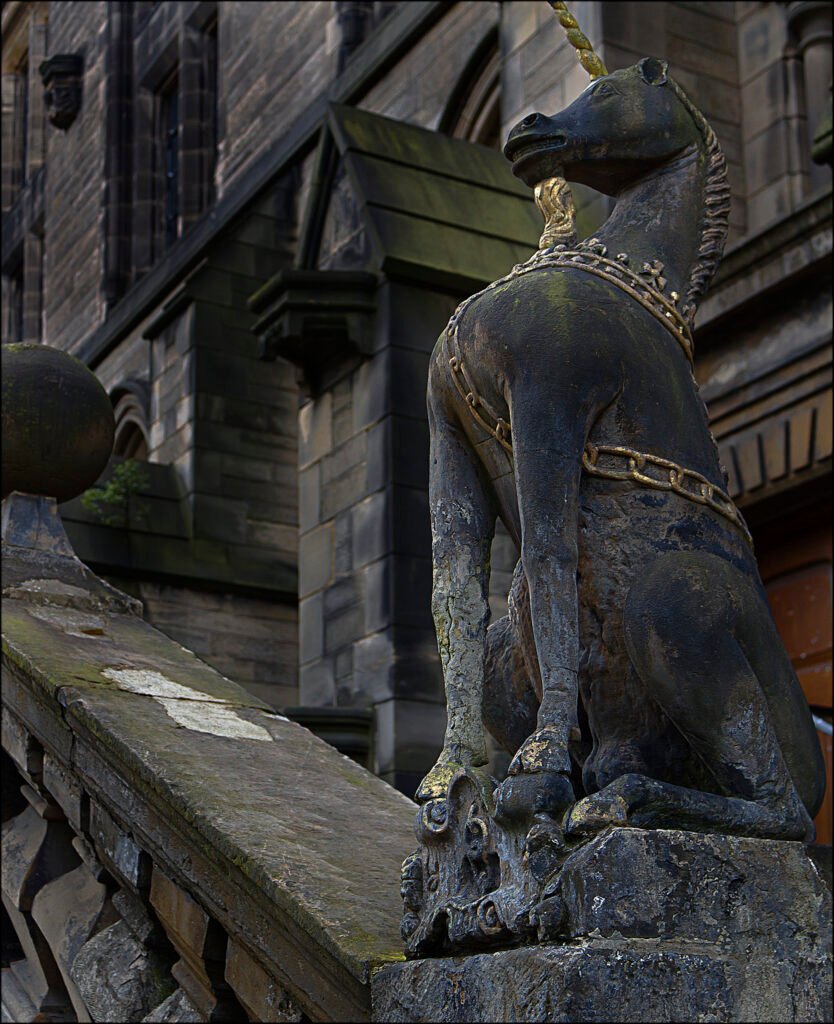
A unicorn, in a business context, is a privately held startup company valued at one billion dollars or more. The playful name reflects just how rare such companies were considered to be when the term was first introduced, much like the mythical creature it borrows its name from.
Origin of the term
Venture capitalist Aileen Lee coined “unicorn” in a November 2, 2013 TechCrunch article titled “Welcome To The Unicorn Club: Learning from Billion-Dollar Startups.” Lee, founder of the venture firm Cowboy Ventures, used the term to highlight how exceptionally rare it was for a startup founded in the 2000s to reach a billion-dollar valuation, framing these companies as statistical outliers worth studying closely.
How a company earns unicorn status
A startup reaches unicorn status when its valuation, typically determined during a private funding round, crosses the billion-dollar threshold, based on the price investors are willing to pay for a stake in the company. This valuation is distinct from a public company’s market capitalization, since unicorns remain privately held and their shares are not traded on public exchanges.
From rare to common
When Lee first used the term, billion-dollar startups were genuinely scarce. In the years since, the number of unicorns has grown dramatically, driven by a surge in venture capital funding and the rise of large, late-stage private funding rounds that let companies stay private longer while still raising enormous sums. This growth has led some commentators to argue the original rarity the term described no longer fully applies.
Decacorns and beyond
As the number of unicorns grew, the venture industry coined further terms to describe even larger outliers. A “decacorn” refers to a private startup valued at ten billion dollars or more, and the rare handful of companies reaching one hundred billion dollars in private valuation are sometimes called “hectocorns,” extending Lee’s original naming convention.
Notable early unicorns
Among the earliest companies commonly cited as unicorns were Facebook, which crossed a billion-dollar private valuation years before its 2012 initial public offering, and Twitter, which also reached unicorn status while still private. These companies helped establish the pattern later unicorns would follow, including staying private for many years while raising large late-stage funding rounds.
Unicorns and the path to IPO
Many unicorns eventually pursue an initial public offering or an acquisition as a path to providing returns for their investors and liquidity for employees holding equity. However, the growth of large private funding rounds has allowed many unicorns to delay going public far longer than earlier generations of startups, remaining private for a decade or more in some cases.
Criticism of unicorn valuations
Some analysts have questioned whether private unicorn valuations always reflect a company’s true worth, since they are set in individual negotiated funding rounds rather than through continuous public trading, and can sometimes carry special terms that inflate the headline number. A handful of high-profile unicorns have seen sharply lower valuations once they eventually went public, fueling debate about how reliable private valuations really are.
Geographic concentration of unicorns
Unicorns have historically clustered heavily in a small number of hubs, particularly the United States and China, though the past decade has seen meaningful growth in unicorns based in India, Europe, and other emerging startup ecosystems as venture capital funding has spread more broadly around the world.
Unicorns and employee equity
Staying private longer as a unicorn affects employees who hold stock options, since those options remain illiquid until the company eventually goes public or is acquired, a dynamic that has pushed some unicorns to offer employees periodic opportunities to sell a portion of their shares on private secondary markets before any formal exit.
Unicorns outside the technology sector
Although most well-known unicorns are technology companies, the term has also been applied to billion-dollar startups in sectors like biotechnology, consumer goods, and financial services, wherever a private company’s funding rounds push its valuation past the billion-dollar threshold regardless of the specific industry it competes in.
Unicorns and down rounds
When market conditions cool, some unicorns are forced into “down rounds,” raising new funding at a lower valuation than a previous round, sometimes causing them to lose unicorn status entirely. This happened to a number of companies during funding slowdowns, illustrating that a billion-dollar private valuation is not necessarily a permanent or guaranteed status.
Unicorns and talent competition
Reaching unicorn status often intensifies a company’s ability to compete for talent, since a high valuation lets it offer more valuable stock options and signals stability to prospective employees, even though those options remain illiquid until an eventual exit, creating a recruiting advantage separate from the company’s actual cash compensation budget.
Unicorns as an industry indicator
Venture capital researchers track the total number and combined valuation of unicorns in a given market as a broad indicator of startup ecosystem health, since rising unicorn counts generally reflect abundant venture funding and investor confidence, while a slowdown in new unicorns often signals tighter capital markets.
Unicorns and acquisition exits
Not every unicorn pursues a public listing; many are acquired outright by larger technology companies seeking their technology, talent, or market position, an exit path that can deliver strong returns to early investors and founders without the regulatory burden and public scrutiny that comes with an initial public offering.
FAQs
What valuation threshold defines a unicorn company?
A privately held startup valuation of one billion dollars or more.
What is a decacorn?
A private startup valued at ten billion dollars or more, a term that extended the original unicorn naming convention as more companies reached even larger valuations.
Key facts
- Term coined by venture capitalist Aileen Lee in a November 2, 2013 TechCrunch article titled "Welcome To The Unicorn Club: Learning from Billion-Dollar Startups"; the name reflects how rare such companies were considered at the time; the term has since become common as the number of billion-dollar startups has grown substantially.
Related concepts
Quick checkWho coined the term 'unicorn' for billion-dollar startups, and when?Show answer
Venture capitalist Aileen Lee, in a November 2013 TechCrunch article.
Sources
- Lee, "Welcome To The Unicorn Club," TechCrunch (2013); Wikipedia (Aileen Lee); venture capital industry reporting on unicorn counts
Editorially reviewed by Specialty Digest Editorial TeamLast reviewed November 1, 2026Researched and drafted with AI assistanceReport an issue