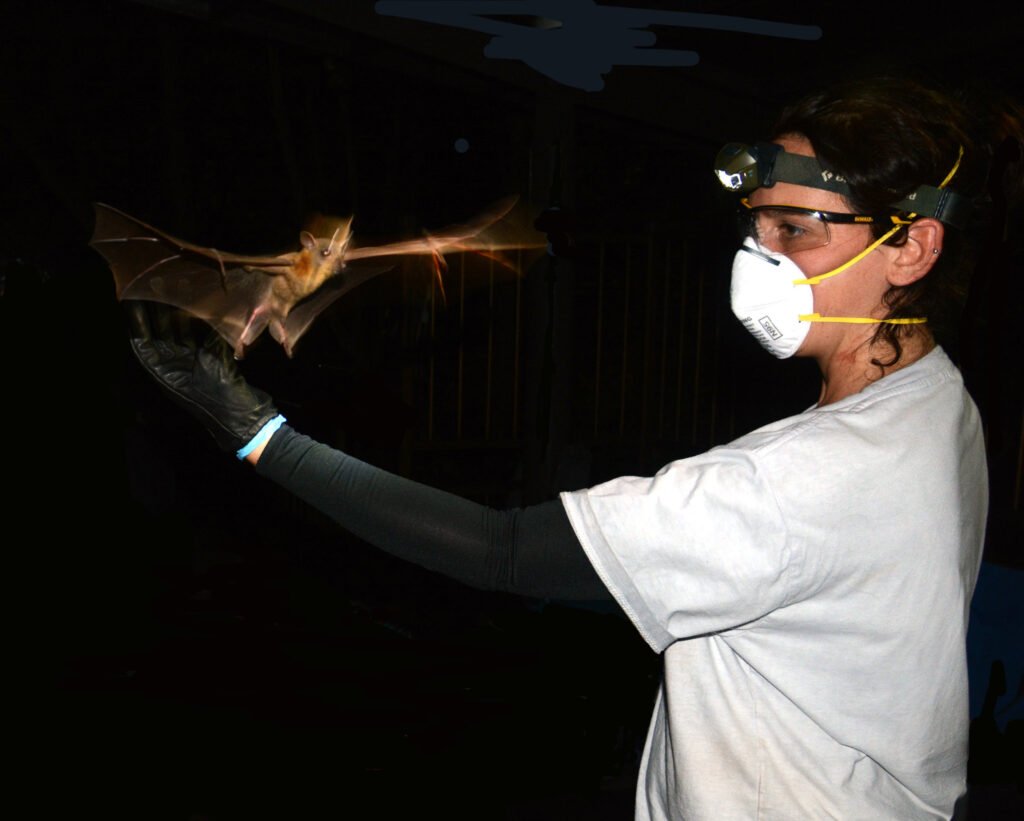
A zoonotic disease is an infectious disease caused by a pathogen that has jumped from an animal host to a human, either through direct contact, contaminated food or water, or an intermediate carrier such as a mosquito or tick. Zoonotic diseases make up a substantial majority of newly emerging infectious diseases identified in recent decades, and well-known examples include rabies, Lyme disease, avian influenza, and the viruses responsible for several major recent outbreaks and pandemics, making the animal-human disease interface a central focus of modern infectious disease surveillance.
How Spillover Happens
The jump of a pathogen from animals to humans, called spillover, generally requires the pathogen to already be capable of infecting human cells, and increased human contact with wildlife, through activities like deforestation, hunting, wildlife trade, and expanding human settlement into previously undisturbed habitats, creates more opportunities for that initial spillover to occur. Many zoonotic pathogens reach humans through an intermediate host, called a vector or bridge species, such as mosquitoes transmitting diseases between birds and humans, or domestic animals becoming infected by wildlife and subsequently transmitting the pathogen to the humans who work with or live near them.
Reservoir Hosts
Many zoonotic pathogens persist indefinitely in a natural reservoir host species, often without causing serious illness in that species itself, which has typically evolved alongside the pathogen over a long period and developed some degree of tolerance. Bats are a particularly well-studied reservoir for numerous zoonotic viruses, including those related to rabies and several coronaviruses, in part because of unique features of bat immunology that allow many bat species to carry certain viruses without becoming seriously ill themselves, even as those same viruses can cause severe disease in humans and other mammals that lack this tolerance.
Transmission Pathways
Zoonotic diseases spread to humans through several distinct pathways, including direct contact with infected animals or their bodily fluids, consumption of contaminated animal products, airborne transmission in settings with close and sustained animal contact, and vector-borne transmission through biting insects that pick up a pathogen from an infected animal and later transmit it to a human. Some zoonotic diseases, once established in humans, can then also spread from person to person, which is what allows certain zoonotic spillover events to potentially escalate into larger outbreaks or pandemics rather than remaining limited to the people directly exposed to the original animal source.
The One Health Approach
Because zoonotic disease risk sits at the intersection of animal health, human health, and environmental conditions, public health experts increasingly promote a framework called One Health, which coordinates veterinarians, physicians, ecologists, and environmental scientists together rather than treating these as separate, disconnected fields of concern. This coordinated approach has proven particularly valuable for detecting unusual illness patterns in animal populations that might signal an emerging zoonotic threat before it spreads significantly among humans, allowing for earlier intervention than waiting for human cases to accumulate first.
Prevention and Surveillance
Prevention strategies include vaccinating domestic animals and livestock against known zoonotic pathogens, improving food safety practices throughout the animal product supply chain, regulating wildlife trade and contact in ways that reduce spillover opportunities, and maintaining ongoing surveillance programs that monitor disease patterns in wildlife, livestock, and vector populations for early warning signs. Climate change is increasingly recognized as a factor that can alter the geographic range of disease vectors like mosquitoes and ticks, potentially exposing new human populations to zoonotic pathogens that were previously confined to different regions or climates.
Notable Zoonotic Diseases
Rabies, nearly always fatal once symptoms appear but entirely preventable through prompt post-exposure vaccination, is transmitted primarily through the bite of an infected mammal and remains a significant public health concern in regions where domestic dog vaccination coverage is incomplete. Lyme disease, caused by bacteria transmitted through the bite of infected ticks that typically acquire the bacteria from small mammals like mice, has expanded its geographic range in recent decades in several regions, a shift researchers partly attribute to changing climate conditions that allow tick populations to survive and reproduce across a wider area than in previous decades.
Avian influenza viruses circulate naturally among wild bird populations and occasionally spill over into poultry and, less commonly, into humans who have close contact with infected birds, with most human cases historically occurring in people who work directly with poultry in affected regions. Public health officials monitor avian influenza outbreaks closely because certain strains have caused severe illness in the relatively small number of human cases that have occurred, and a strain that acquired the ability to spread efficiently between humans could pose a significant pandemic risk, which is why genetic surveillance of circulating avian influenza strains in birds and other animals has become an ongoing priority.
Food-borne zoonotic pathogens, including certain strains of salmonella and E. coli that can be transmitted through contaminated meat, eggs, or unpasteurized dairy products, represent some of the most common zoonotic disease exposures people encounter in daily life, generally causing less severe illness than diseases like rabies but affecting far larger numbers of people overall. Proper food handling, cooking, and storage practices substantially reduce this risk, which is why food safety regulations and guidance for consumers remain a core, ongoing part of zoonotic disease prevention efforts even though this category of exposure receives comparatively less public attention than more dramatic emerging disease threats.
FAQs
Why are bats a common reservoir for zoonotic viruses?
Unique features of bat immunology allow many bat species to carry certain viruses, including some related to rabies and coronaviruses, without becoming seriously ill themselves, even though those viruses can cause severe disease in other mammals.
What is the One Health approach to zoonotic disease?
It is a coordinated framework that brings together veterinarians, physicians, ecologists, and environmental scientists, since zoonotic disease risk sits at the intersection of animal health, human health, and environmental conditions.
Quick checkWhat is spillover in the context of zoonotic disease?Show answer
Spillover is the jump of a pathogen from an animal host into humans, which requires the pathogen to already be capable of infecting human cells and usually needs increased human-wildlife contact to occur.
Editorially reviewed by Specialty Digest Editorial TeamLast reviewed November 2, 2026Researched and drafted with AI assistanceReport an issue