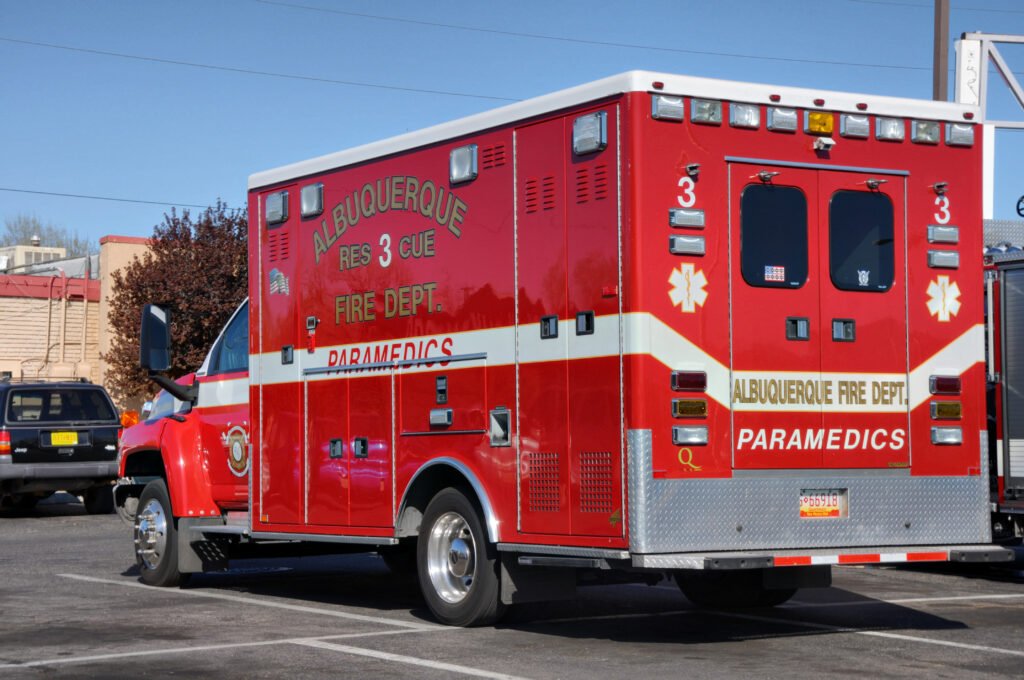
A first responder is a trained individual who is typically among the earliest personnel to arrive at the scene of an emergency, responsible for conducting an initial assessment, ensuring the scene is reasonably safe to approach, and providing immediate assistance until additional resources arrive. The role spans several professions, most commonly firefighters, police officers, and emergency medical technicians, each bringing specialized training suited to particular aspects of emergency response.
n
Core Responsibilities
n
First responders are trained to quickly evaluate a scene for ongoing hazards before beginning any intervention, recognizing that a responder who becomes a casualty themselves cannot help anyone else. Once scene safety is reasonably established, responsibilities typically include providing basic life support and first aid, controlling and containing the immediate hazard where possible, and communicating accurate situational information to incoming additional resources and command personnel.
n
Training and Certification
n
Training requirements vary by discipline and jurisdiction but generally include certification in basic life support, hazard recognition, and incident command system fundamentals, ensuring that first responders can integrate smoothly into a larger response once additional agencies and personnel arrive. Many first responders also pursue specialized certifications relevant to their specific role, such as advanced medical training for those who may serve as the primary medical provider before paramedics arrive at more remote or resource-limited locations.
n
Scene Safety and Risk Assessment
n
Before engaging with patients or hazards, first responders are trained to systematically assess scene safety, looking for ongoing dangers such as traffic, unstable structures, hazardous materials, or violent individuals that could pose a threat to responders themselves. This assessment often determines the sequence of actions taken, since a responder who rushes in without first evaluating these risks can quickly become an additional casualty requiring rescue themselves, compounding rather than resolving the emergency.
n
Psychological and Physical Demands
n
First responder work carries significant physical and psychological demands, including exposure to traumatic scenes, irregular and demanding schedules, and the cumulative stress of repeated high-stakes decision making under time pressure. Recognition of these demands has led many agencies to develop wellness programs addressing both physical fitness and mental health support, acknowledging that sustaining a long and effective career in first response requires attention to the responder own wellbeing alongside their technical training.
n
Equipment and Protective Gear
n
First responders rely on specialized equipment and personal protective gear appropriate to their discipline, such as turnout gear and self-contained breathing apparatus for firefighters, ballistic protection for law enforcement in certain situations, and medical supplies and protective equipment for emergency medical personnel. Proper use and maintenance of this equipment is itself a significant component of first responder training, since equipment that is unfamiliar or improperly maintained can fail at the exact moment it is needed most.
n
Coordination with Incident Command
n
As additional resources arrive at a larger incident, first responders typically transition from independent initial action to operating within a formal incident command structure, reporting to designated supervisors and following an organized incident action plan rather than continuing to act independently. This transition requires first responders to be familiar with incident command principles even though their primary training focuses on their specific discipline, since nearly any significant incident eventually requires this kind of coordinated, multi-resource response.
n
Role in Public Trust and Community Relations
n
Because first responders often interact with the public during some of the most difficult moments in people lives, their conduct and effectiveness significantly shape public trust in emergency services more broadly. Many agencies now incorporate community relations and cultural competency training alongside technical response skills, recognizing that effective emergency response depends not only on technical proficiency but also on the public willingness to call for help and cooperate with responders when an emergency occurs.
n
Looking Ahead
n
Advances in wearable technology and real-time data sharing are beginning to give first responders improved situational awareness and health monitoring capability during active incidents, potentially reducing both response time and responder injury risk. These tools are likely to become increasingly standard equipment as costs decrease and reliability improves, supplementing rather than replacing the fundamental training and judgment that remain at the core of effective first response.
n
Summary of Protective Role
n
Ultimately, the first responder role represents the critical bridge between an emergency occurring and organized, effective help arriving, a bridge whose strength depends entirely on the training, judgment, and composure of the individuals who occupy it during the earliest and often most chaotic moments of any incident.
n
Interagency Cross-Training
n
Many jurisdictions now emphasize cross-training among different first responder disciplines, such as basic medical training for firefighters and police officers, recognizing that any of these personnel might arrive first at a given scene and benefit from at least foundational competency outside their primary specialty before more specialized resources can arrive.
n
Recognition and Support for the Role
n
Growing public and institutional recognition of the demanding nature of first responder work has led to expanded benefits, mental health resources, and career support programs in many jurisdictions, reflecting an evolving understanding that sustaining this workforce requires investment well beyond initial recruitment and technical training alone.
n
Supporting that workforce well ultimately strengthens the entire emergency response system that communities depend on every single day.
n
Final Considerations
n
The role will keep evolving alongside new hazards and new tools, but its essential purpose, showing up first and helping when help is needed most, remains constant.
n
That constancy is worth remembering amid every new tool and technique.
n
It deserves ongoing recognition and support.
n
They earn that recognition every single shift.
n
Few jobs demand so much on so little notice.
n
The work is demanding, vital, and quietly heroic every day.
Key facts
- Array
In the news
Sources
- Array
Editorially reviewed by Specialty Digest Editorial TeamLast reviewed November 3, 2026Researched and drafted with AI assistanceReport an issue