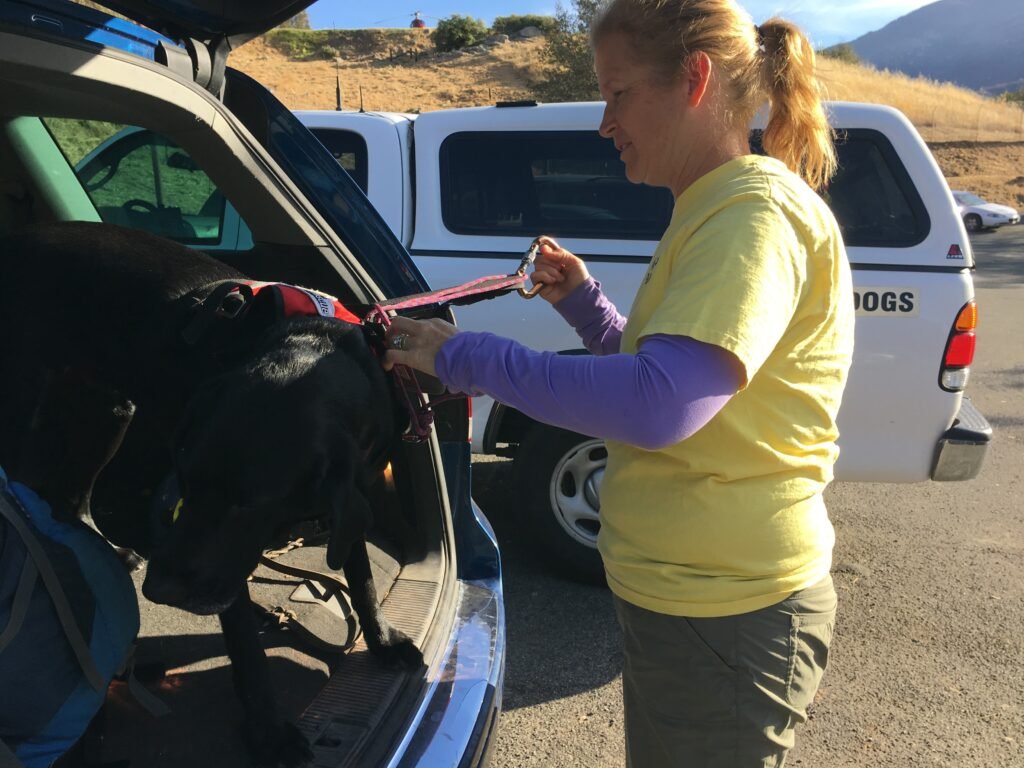
Search and rescue refers to the organized effort to locate and safely extract individuals who are lost, trapped, injured, or otherwise unable to reach safety on their own, spanning a wide range of environments from dense wilderness to collapsed urban structures to open water. The discipline combines systematic search methodology with specialized rescue techniques suited to the particular hazards of each operating environment.
n
Specialized Disciplines
n
Wilderness search and rescue addresses lost or injured individuals in remote natural settings, often requiring extensive land navigation, tracking skills, and sometimes multi-day operations across difficult terrain. Urban search and rescue focuses on locating and extracting victims trapped in collapsed or damaged structures following events such as earthquakes, explosions, or building failures, requiring specialized structural assessment and heavy rescue equipment. Water rescue addresses incidents in rivers, lakes, and coastal environments, while technical rescue covers specialized scenarios such as confined space entrapment, high angle rope rescue, and vehicle extrication, each demanding its own distinct equipment and training.
n
Search Methodology and Technology
n
Effective search operations rely on systematic methodology, including dividing search areas into manageable segments, calculating probable search areas based on factors such as terrain and time elapsed, and deploying specialized resources such as trained search dogs, aerial drones, and thermal imaging equipment to improve the odds of locating a missing person efficiently. Because survival odds for a missing or trapped person often decline significantly with time, the speed and coordination of the initial search response can make a decisive difference in ultimate outcomes.
n
Interagency and Volunteer Coordination
n
Search and rescue operations frequently involve coordination among multiple agencies and organizations, including government emergency services, specialized volunteer search and rescue teams, and sometimes military resources, particularly for large-scale or technically demanding operations. Managing this diverse mix of participants under a coherent incident command structure ensures that volunteer expertise and enthusiasm translate into effective, coordinated search coverage rather than uncoordinated independent efforts that could duplicate work or, worse, create additional hazards.
n
Decision to Transition from Rescue to Recovery
n
As a search and rescue operation extends over time without locating a missing person alive, incident commanders eventually face the difficult decision of when to transition the operation from an active rescue posture to a recovery operation focused on locating remains rather than a living person. This transition decision considers factors such as elapsed time, environmental conditions, and survivability statistics for the specific scenario, and remains one of the most emotionally and operationally difficult judgment calls search and rescue leadership must make.
n
Role of Specially Trained Search Dogs
n
Specially trained search and rescue dogs provide capabilities that technology and human searchers alone often cannot match, including the ability to detect human scent across wide areas or within rubble, significantly narrowing search areas and sometimes locating individuals that other methods would miss entirely. Training a search dog to the level of reliability needed for operational deployment typically takes well over a year of dedicated work, reflecting the significant investment organizations make in developing this specialized search capability.
n
Technology Integration
n
Modern search and rescue operations increasingly integrate technology such as thermal imaging cameras, aerial drones equipped with cameras or sensors, and GPS-based tracking systems that allow search teams to coordinate their coverage and avoid duplicating effort across a large search area. While these technologies have significantly improved search efficiency in many scenarios, experienced search and rescue professionals emphasize that technology supplements rather than replaces fundamental search methodology and the judgment of trained searchers on the ground.
n
Training and Certification Standards
n
Search and rescue personnel, whether professional or volunteer, typically undergo standardized training covering search methodology, land navigation, technical rescue skills relevant to their specialty, and safety procedures designed to prevent rescuer injury during already hazardous operations. Many regions maintain formal certification standards and team credentialing processes to ensure that search and rescue resources deployed to an incident, particularly those arriving from outside the local area, meet a consistent baseline of training and capability.
n
Looking Ahead
n
Continued advances in drone technology, satellite imaging, and artificial intelligence assisted pattern recognition are expanding the search area that can be effectively covered within critical early response windows, offering genuine promise for improving survival outcomes in scenarios where speed of location remains the single most important determining factor.
n
Summary of Protective Role
n
Ultimately, search and rescue operations succeed through a combination of disciplined methodology, specialized skill, and relentless urgency, reflecting the understanding that for the person waiting to be found, every additional hour genuinely matters in ways that no amount of technology alone can fully compensate for.
n
Weather and Environmental Factors
n
Search and rescue operations must constantly account for weather and environmental conditions, which can both hinder search efforts through reduced visibility or dangerous terrain and simultaneously increase the urgency of locating a missing person quickly before exposure to cold, heat, or other environmental stressors becomes life-threatening on its own, independent of whatever original circumstance caused the person to become lost or trapped.
n
That urgency, balanced against responder safety, defines the core tension that search and rescue leadership must manage on every operation.
n
Continued investment in training, technology, and interagency coordination remains the clearest path toward improving outcomes across every search and rescue discipline.
n
Final Considerations
n
Every advance in method or technology still depends ultimately on trained, committed people willing to search methodically under difficult conditions until the person they are looking for is found.
n
That commitment defines the discipline at its best.
n
It is what makes the discipline worth the effort.
n
Few callings demand this much of ordinary people in extraordinary moments.
Key facts
- Array
Sources
- Array
Editorially reviewed by Specialty Digest Editorial TeamLast reviewed November 3, 2026Researched and drafted with AI assistanceReport an issue