Origins and Cold War Development
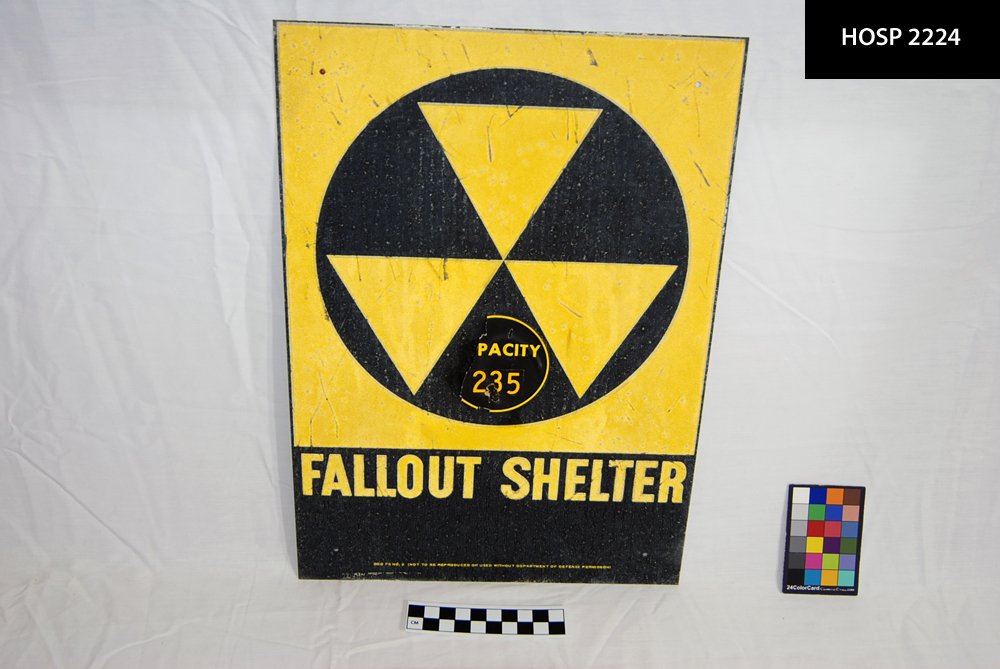
Civil defense as an organized government function expanded dramatically during the Cold War, when the threat of nuclear attack prompted many nations to build public fallout shelters, establish air raid warning sirens, and conduct civilian preparedness drills. In the United States, programs taught schoolchildren duck and cover procedures, while government agencies stockpiled supplies and mapped shelter locations in basements of large buildings. Similar programs developed across Europe and in the Soviet Union, reflecting the shared anxiety of the nuclear age. These early programs established much of the organizational framework, including designated civil defense officials at state and local levels, that later evolved into broader emergency management systems.
Modern Civil Defense Functions
As the direct nuclear threat receded after the Cold War, civil defense responsibilities in many countries merged with broader emergency management functions covering natural disasters, industrial accidents, and public health crises. Modern civil defense activities include maintaining public warning systems such as sirens and mobile alerts, coordinating mass shelter operations during hurricanes or wildfires, and conducting public education campaigns about emergency preparedness. Some countries, particularly those near active conflict zones or with volatile regional security situations, have maintained more traditional civil defense structures focused specifically on protecting civilians during armed conflict, including bomb shelter maintenance and civilian evacuation planning.
Organizational Structure
Civil defense organizations typically operate through a layered structure connecting national policy agencies to regional coordinators and local volunteer or professional staff responsible for implementation. Many countries rely heavily on volunteer civil defense corps, who receive basic training in first aid, search and rescue, and shelter management, supplementing professional emergency responders during large scale incidents. International cooperation exists through organizations that share best practices and sometimes provide direct assistance during cross border emergencies, recognizing that civil defense capacity gaps in one country can affect regional stability during major disasters or conflicts.
International Variation and Current Relevance
Civil defense structures and emphasis vary considerably across countries depending on their geopolitical situation and historical experience. Nations located near active conflict zones or with recent memory of large scale attacks, such as several countries in Northeast Asia and the Middle East, tend to maintain more robust and visible civil defense infrastructure, including extensive shelter networks and regular public drills, compared to countries that have not faced direct military threats in generations. Switzerland is frequently cited as having one of the most comprehensive civil defense systems in the world, maintaining enough fallout shelter capacity to theoretically house its entire population, a legacy of its historical policy of armed neutrality. Nordic countries have similarly maintained strong civil defense traditions, partly renewed in recent years amid heightened regional security concerns. In many Western countries, public civil defense infrastructure built during the Cold War has been allowed to deteriorate or has been repurposed, with emergency management functions increasingly absorbed into broader all hazards agencies rather than maintained as a distinct nuclear attack focused program. Renewed geopolitical tensions in various regions have prompted some governments to reinvest in civil defense capacity, including updating public shelter inventories and revising public communication plans, reflecting a recognition that the underlying need for organized civilian protection has not disappeared even as the specific nature of the most pressing threats has evolved over time.
Shelter Systems and Public Education
Public shelter infrastructure remains a visible legacy of civil defense planning in many countries, ranging from dedicated underground bunkers built specifically for protection to designated shelter spaces within existing buildings such as subway stations, parking garages, and building basements identified for their structural protection qualities. Maintaining these shelter systems presents an ongoing challenge, since facilities built decades ago require regular inspection, updated supplies, and in some cases structural renovation to remain usable, costs that governments sometimes deprioritize during periods when the immediate threat feels less pressing. Public education campaigns represent an equally important component of civil defense that requires far less capital investment than physical infrastructure, teaching citizens basic principles such as recognizing warning signals, understanding evacuation routes, and knowing how to assemble basic emergency supplies for their household. Some countries have revived civil defense education in schools and workplaces in recent years, reflecting renewed attention to preparedness amid both heightened geopolitical tensions and an increased frequency of severe weather events linked to climate change, suggesting that civil defense as a concept continues to adapt to whatever combination of threats a society currently faces rather than remaining fixed on any single historical danger.
Funding Challenges
Civil defense programs compete for government funding against many other priorities, and the intangible benefit of maintaining shelters or warning systems that may never actually be needed can make sustained investment politically difficult compared to spending with more immediately visible returns. Periods of reduced perceived threat often see civil defense budgets decline, infrastructure fall into disrepair, and institutional knowledge fade as experienced personnel retire without adequate succession planning, creating a cycle where capability must later be rebuilt largely from scratch when threat perceptions rise again. Some analysts have argued for treating civil defense infrastructure similarly to insurance, where the cost of maintenance is justified by the severity of potential consequences even when the probability of needing the full capability in any given year remains relatively low.
Private Sector Involvement
Beyond government agencies, private companies and institutions increasingly play supporting roles in civil defense related activities, maintaining their own emergency plans, providing shelter space, or assisting with public warning dissemination through private communication networks, reflecting a broader trend toward public-private partnership across many categories of security and emergency preparedness work discussed throughout this encyclopedia.
Key facts
- Array
Quick checkWhat is the main purpose of civil defense programs?Show answer
Civil defense programs aim to protect civilian populations from wartime attacks, natural disasters, and other large scale emergencies through warning systems, shelters, and coordinated response planning.
Sources
- Array
Editorially reviewed by Specialty Digest Editorial TeamLast reviewed November 4, 2026Researched and drafted with AI assistanceReport an issue