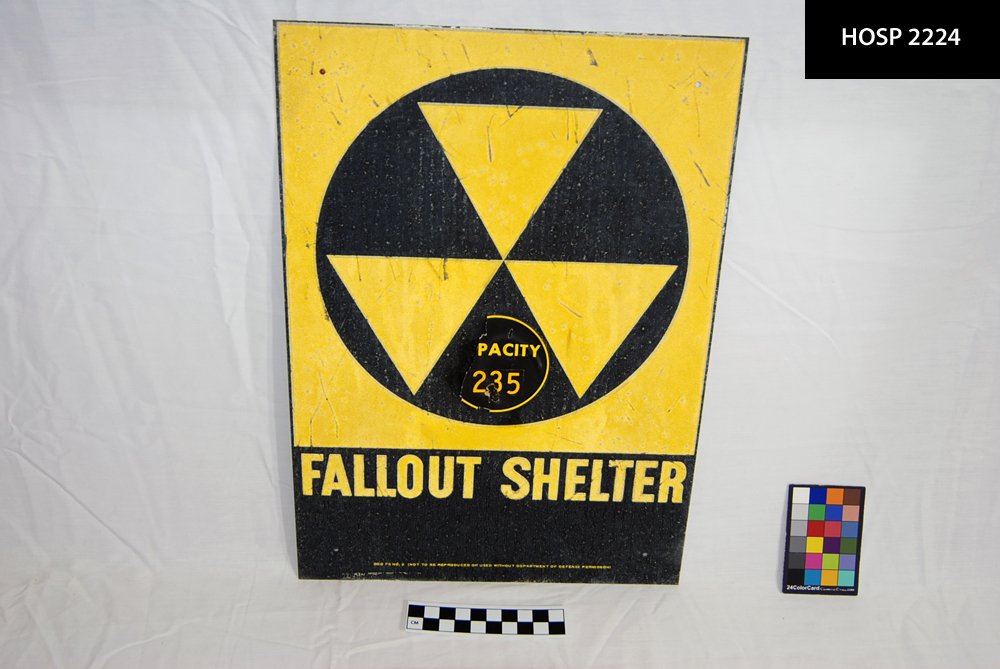
Origins and Cold War Development Civil defense as an organized government function expanded dramatically during the Cold War, when the threat of nuclear attack prompted many nations to build public fallout shelters, establish air raid warning sirens, and conduct civilian preparedness drills. In the United States, programs taught schoolchildren duck and cover procedures, while government
Civil Defense Read More »
Civil defense refers to organized government and community efforts to protect civilian populations from the dangers of war, natural disasters, and other large scale emergencies.
Core Concept and Purpose Continuity of government planning addresses one of the most sensitive questions a nation can face, namely how constitutional government and essential functions continue if a catastrophic event kills or incapacitates senior leaders or destroys the facilities where government normally operates. These plans establish clear lines of succession beyond the standard constitutional
Continuity of Government Read More »
Continuity of government refers to the planning and procedures that ensure essential government functions and leadership succession continue during and after a catastrophic event.
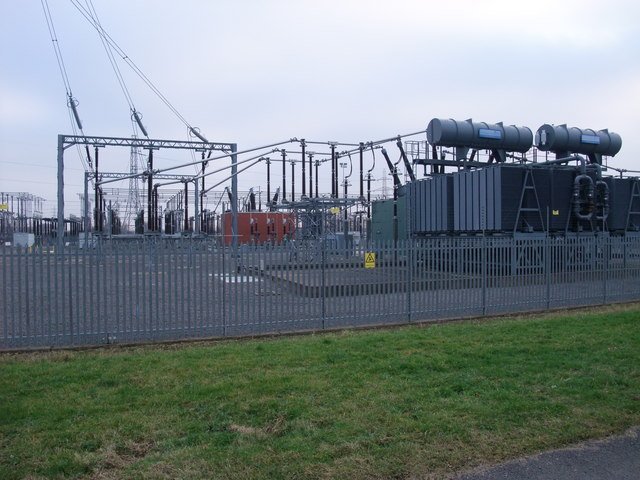
Defining Critical Infrastructure Critical infrastructure encompasses the physical and digital systems so essential to a society that their incapacitation would have a debilitating effect on security, the economy, public health, or safety. Governments typically organize critical infrastructure into sectors, commonly including energy generation and distribution, water and wastewater systems, transportation networks, telecommunications, financial services, and
Critical Infrastructure Protection Read More »
Critical infrastructure protection involves securing the essential systems and assets, such as power grids, water supplies, and communication networks, that a society depends on for basic functioning.
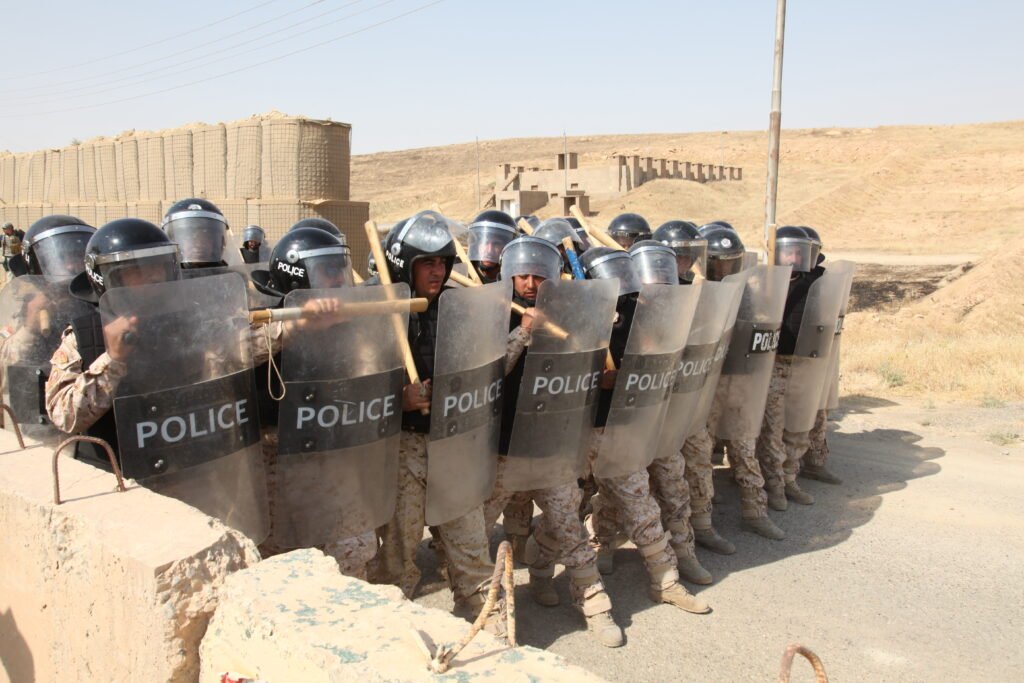
Approaches to Crowd Management Modern crowd management philosophy generally emphasizes a graduated response that begins with planning and communication rather than force. Before a large gathering such as a protest, parade, or sporting event, security planners typically coordinate with organizers to establish expected routes, timing, and crowd size, positioning officers to facilitate rather than confront
Crowd Control and Riot Management Read More »
Crowd control and riot management encompasses the tactics and equipment security forces use to maintain public order during large gatherings, protests, or civil disturbances.
Common Disaster Fraud Schemes The chaos and urgent need following a major disaster create fertile conditions for several recurring fraud patterns. Fake charity scams solicit donations using names similar to legitimate relief organizations, collecting money that never reaches actual disaster victims. Contractor fraud, sometimes called storm chasing, involves unlicensed or dishonest workers who travel to
Disaster Fraud Prevention Read More »
Disaster fraud prevention covers the measures used to detect and stop scams, price gouging, and fraudulent aid claims that commonly emerge in the aftermath of major disasters.
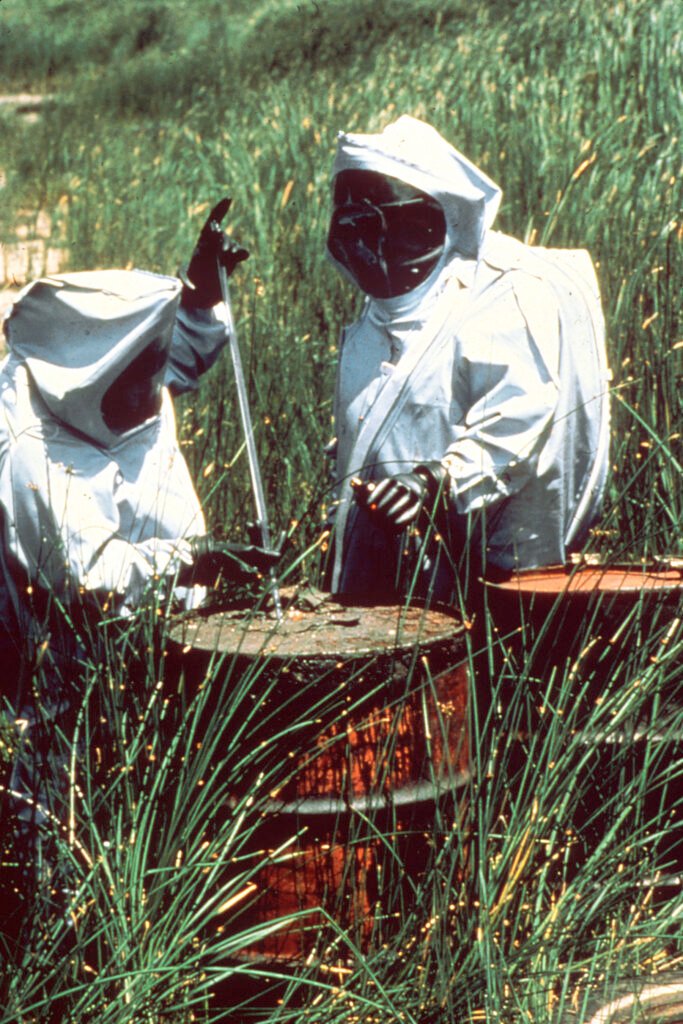
Scope of Hazardous Materials Security Hazardous materials security addresses a wide range of substances that pose risks if stolen, sabotaged, or accidentally released, including industrial chemicals used in manufacturing, radioactive materials used in medical treatment and research, biological agents studied in laboratories, and explosive materials used in construction and mining. Security requirements vary considerably depending
Hazardous Materials Security Read More »
Hazardous materials security involves protecting dangerous chemical, biological, radiological, and other hazardous substances from theft, sabotage, or accidental release that could harm public safety.
Conditions That Enable Looting Looting tends to occur when the normal deterrents to theft, including visible police presence, functioning alarm systems, and the simple presence of other people, break down simultaneously during a disaster or civil disturbance. Power outages disable security cameras and alarm systems, evacuation orders empty out entire neighborhoods leaving homes and businesses
Looting Prevention Read More »
Looting prevention refers to the security measures and law enforcement strategies used to protect vacant or damaged properties from theft during disasters, civil unrest, or evacuations.
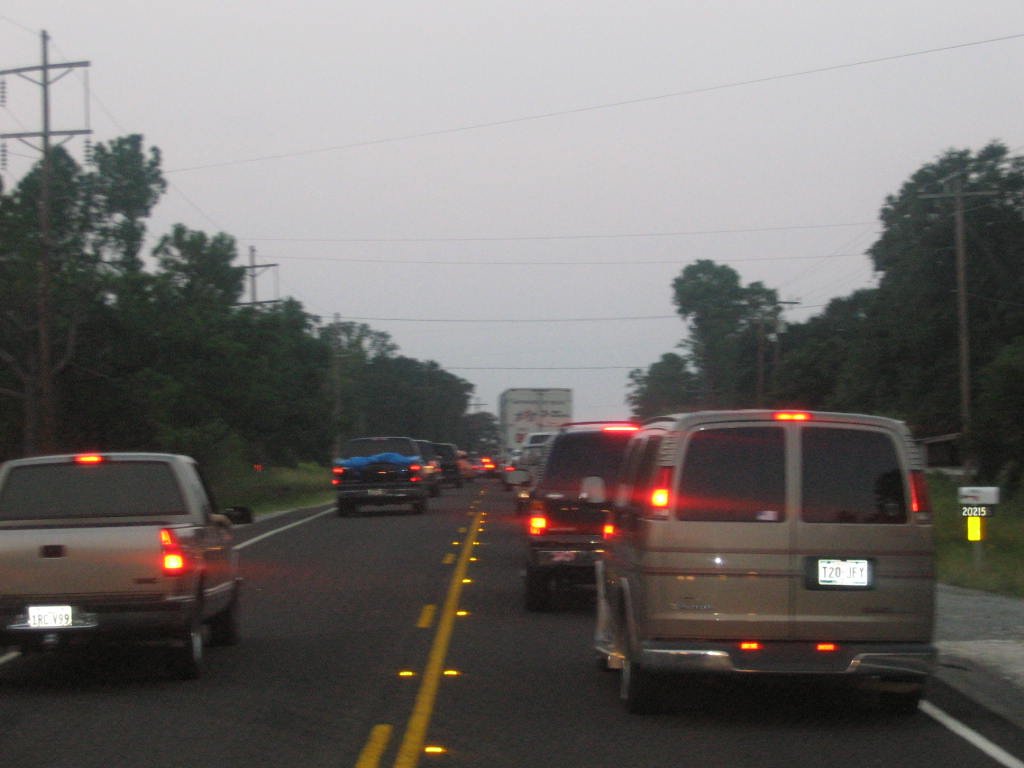
Planning Considerations Mass evacuation security planning begins long before any actual emergency, requiring authorities to map evacuation routes with sufficient capacity for the expected population, identify vulnerable populations such as hospital patients, nursing home residents, and people without personal vehicles who need special transportation assistance, and establish clear communication systems to issue evacuation orders and
Mass Evacuation Security Read More »
Mass evacuation security involves planning and managing the safe, orderly movement of large populations away from danger while preventing crime, chaos, and secondary harm during the process.
Dual Role and Command Structure The National Guard occupies a unique position in many federal systems, serving as both a reserve component of national military forces and a resource directly available to state or regional governments for domestic missions. In the United States, this dual status means Guard units can be activated by state governors
National Guard Deployment Read More »
National Guard deployment refers to the activation of reserve military forces to support domestic security, disaster response, and civil order operations within their home country.
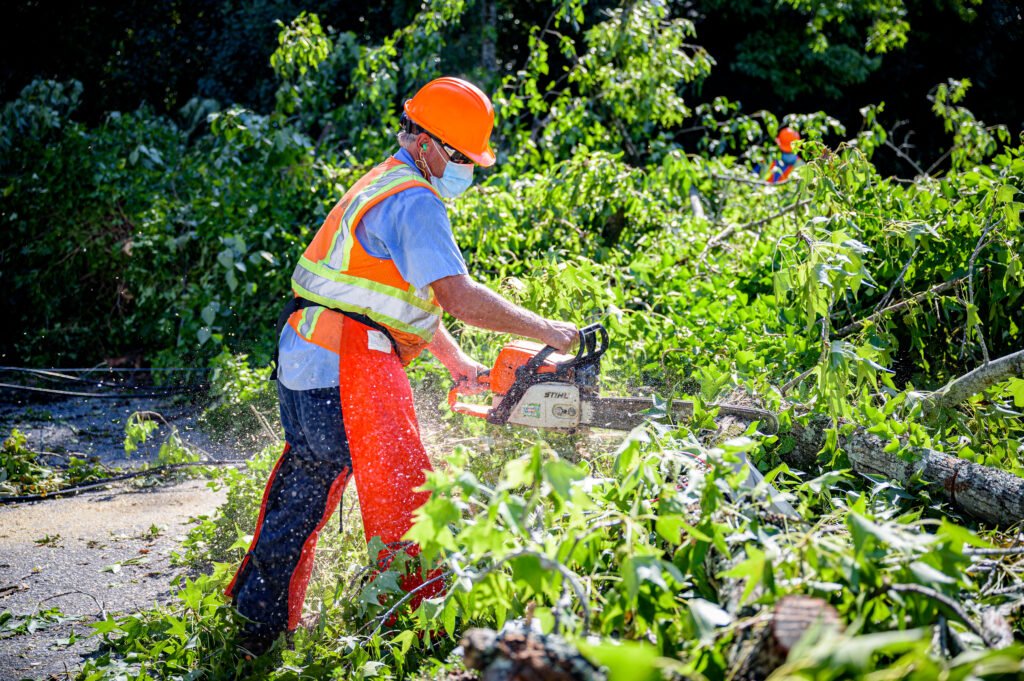
Security Challenges During Extended Recovery While initial disaster response typically lasts days to weeks, reconstruction and recovery can extend for months or even years, creating a distinct and often underappreciated security challenge compared to the immediate emergency period. Construction sites holding valuable building materials, tools, and heavy equipment become attractive targets for theft, particularly in
Post-Disaster Reconstruction Security Read More »
Post-disaster reconstruction security addresses the protection of rebuilding efforts, construction sites, and recovery funding from theft, fraud, and disruption during the long recovery period after a major disaster.