The clearest difference between a cold and the flu is speed: a cold creeps in gradually over several days, while the flu tends to hit all at once. Symptoms alone aren’t always obvious in the first few hours, since both illnesses can start with the same scratchy throat or sniffle, but the two usually reveal themselves in distinct ways once they’ve had a day or two to unfold.
How quickly the symptoms show up
A cold tends to build gradually — a scratchy throat one day, a runny nose the next. The flu, by contrast, tends to arrive abruptly. Cleveland Clinic describes it bluntly: “One day, you’re fine, and the next day, you feel like you’ve been hit by a truck.” That sudden onset, more than any single symptom, is often the first real clue that something more than a common cold is going on.
Fever and body aches point toward flu
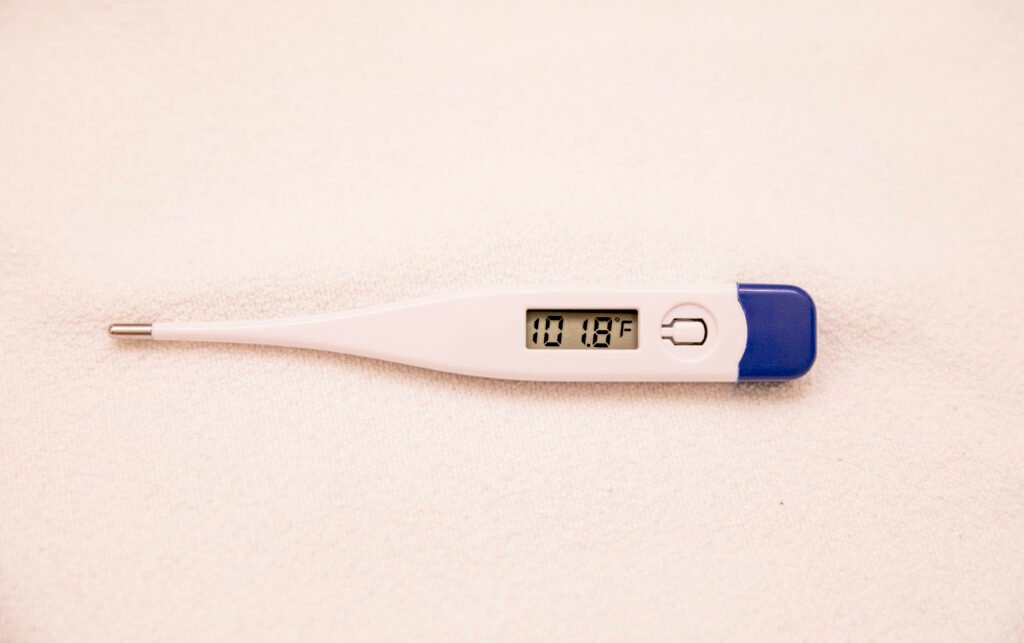
Fevers are uncommon with a typical cold, and when they do show up, they’re usually mild. With the flu, a fever — often a high one — is one of the hallmark symptoms, frequently paired with chills. Body aches follow a similar pattern: a cold might bring mild muscle soreness, while the flu tends to cause aches that are, in the CDC’s words, more intense and widespread. Fatigue runs deeper with flu too, and it can linger well after the other symptoms have faded, which is part of why a bout of flu tends to take people out of commission longer than a cold does.
A stuffy nose leans toward cold
Congestion, a runny or stuffy nose and sneezing are more strongly associated with colds than with flu, according to the CDC. That doesn’t mean flu never causes nasal symptoms — both illnesses commonly bring on a cough and sore throat, which is part of why they’re so easy to mix up in the first day or two — but a cold is more likely to stay centered on the nose and throat, while the flu tends to hit the whole body: muscles, joints and energy levels included.
Why getting it right actually matters
Colds are rarely serious. The CDC notes they generally don’t lead to complications like pneumonia, bacterial infections or hospital stays. The flu is a different story — it can lead to more serious complications, particularly in young children, older adults, pregnant people and those with certain chronic conditions. That’s the real reason the distinction isn’t just trivia: mistaking a bad flu for a cold means losing the window where it’s easiest to act on. Timing is part of that window — antiviral medications for flu tend to work best when started within the first couple of days of symptoms, which makes recognizing the pattern early more than just an academic exercise for anyone in one of those higher-risk groups.
Even with these patterns in mind, the CDC is candid that it can be difficult, or even impossible, to tell a cold and the flu apart by symptoms alone, especially early on. That’s where testing comes in — a quick flu test at a doctor’s office or urgent care can confirm what’s actually going on when it matters, particularly for anyone at higher risk of complications. Symptoms that worsen sharply after a few days, a fever that won’t break, chest pain, or trouble breathing are all reasons to seek care rather than wait it out and hope it’s just a cold. The pattern in this piece is a useful first read, but it was never meant to replace an actual diagnosis — it’s meant to tell you when it’s worth getting one.